
Video Hooks for Personal Trainers: The First Three Seconds
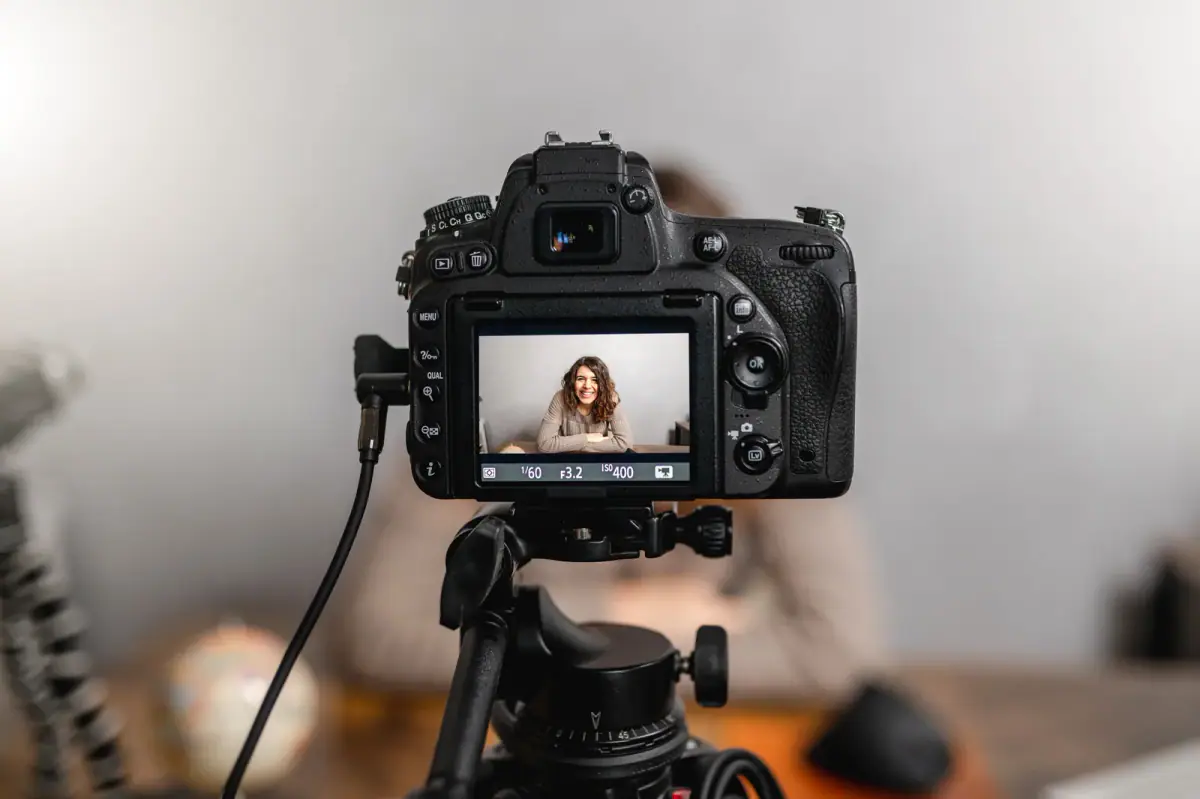
A good hook for a personal trainer’s video is a plain statement of one client’s problem in the first three seconds, spoken and written on screen, such as “If your knees hurt on stairs, watch this.” It is not a shock line or a trend. A local service business wants the right twenty viewers, not twenty thousand wrong ones, and a hook that sounds like a real person talking to a real neighbor does that filtering for free. You can rehearse and film hooks in a private room booked by the hour, with nobody listening.
Why the first three seconds carry so much
A viewer scrolling a feed decides almost instantly whether to stay. You have no time for your name, your credentials or a warm up. In that window, the video must signal three things: this is for someone like me, it is about a problem I have, and it will be short. Everything after the hook is only worth making if the hook works.
For a trainer, this is good news. The people you want already have a specific worry. Naming it beats cleverness every time.
Six hook patterns for local service trainers
- The named person. “If you sit all day and your back is stiff by four…” The viewer self-selects.
- The plain question. “Can you get up off the floor without using your hands?” Short, concrete, easy to answer silently.
- The mistake. “The most common thing I fix in a first session.” Promises a payoff without hype.
- The place. “Here in Carmel, winter means training indoors, so…” Local words tell the right viewer they are in the right place. Place names that fit are in the local Reels playbook.
- The small promise. “One cue for a better squat.” Narrow, doable.
- The permission. “You do not need to be fit to start.” Speaks to someone who has been avoiding a gym.
These are patterns, not scripts. Say them the way you would to a new client in the doorway.
What not to open with
- Your name or credentials. Say them later, or put them in the caption.
- A long setup such as “so today I wanted to talk about”.
- A promise of a specific body result. It is unreliable and can mislead people.
- A comparison that shames. It attracts attention and loses trust.
- A medical claim. Hooks that suggest a fix for a condition belong with a clinician, not a trainer’s feed.
Build the hook before you film
Write five versions of the opening line on paper, and read each aloud. Cross out any that sound like a brochure. Film the best two back to back, then pick the one that sounds natural. Doing this in a booked block makes it quick; renting a private room by the hour, as FlexWerk in Carmel allows, means no one overhears you rehearsing.
Pair each hook with text on screen. The words should appear in the first second, which is why captions for workout videos matter even for a single line. Keep the text short, high contrast and in the middle of the frame.
Match the hook to the format
| Video format | Hook that fits |
|---|---|
| One move demo | The small promise, “one cue for…” |
| Question answered | The plain question, quoted from a client |
| Mistake fix | The mistake pattern |
| Room or day in the life | The place or the permission |
| Myth correction | The named person, then the correction |
The full list of formats is in short form video ideas for personal trainers, and each one needs only a different sentence at the start.
A weekly habit that improves hooks
Keep a note on your phone called “hooks”. Every time a client says something that sounds like a headline, such as “I never thought I could do a pull up”, write it down verbatim. Those are the hooks your neighbors will recognize because they come from neighbors. Review the note before each filming block.
After a month, compare which openings led to messages. Often the winners are the dullest and most specific. Keep those, retire the rest, and note them next to your wider brand positioning so your voice stays consistent from video to video.
One last check
Watch your clip on mute for the first three seconds. If a stranger cannot tell who it is for and what it is about, rewrite the line, not the video.
Examples across client types
For a desk worker with a stiff back: “If your lower back is tight by the afternoon, try this before your next meeting.” For a parent short on time: “Twenty minutes, three moves, no equipment at home.” For someone returning to exercise: “You do not have to start with the hardest workout.” For an older adult worried about balance: “Can you stand on one leg while you brush your teeth? Here is how to practice.” Each opens with a person, not a trainer, and makes only a modest claim. None promises a medical outcome, which keeps the line honest and keeps your scope clear.
Reading the numbers without obsessing
Look at the share of viewers who stay past the opening, not at total views. If many viewers leave in the first seconds, the hook is wrong for the people who saw it. If they stay but nobody messages, the closing step is weak. Change one thing at a time so you know what moved the result. A few weeks of notes will teach you more than any list of tricks, because your neighbors are the only audience that matters.
A hook for every slow day
When you have nothing new to say, fall back on the questions beginners ask before booking: what do I wear, what happens in a first session, will anyone watch me. Each is a ready made hook, and each answers a worry that stops people from booking. Film all three in one sitting, label them by question, and hold them for the weeks when the schedule is too full to think of anything fresh. Because they address fears rather than trends, they stay useful for months and keep working long after you post them.
Related questions
What is a hook in a video?
The first few seconds, spoken or written, that tell a viewer why to keep watching. For a local trainer it names a person and a problem, so the right viewer recognizes themselves.
Should hooks be shocking?
No. Shock draws the wrong audience and wastes reach on people who cannot hire you. A plain, specific statement of a real problem filters for the people you want.
How do I test whether a hook works?
Post the same advice with two different openings across two weeks and compare how many people watch past the first few seconds and how many message you.