
Short Form Video Ideas for Personal Trainers
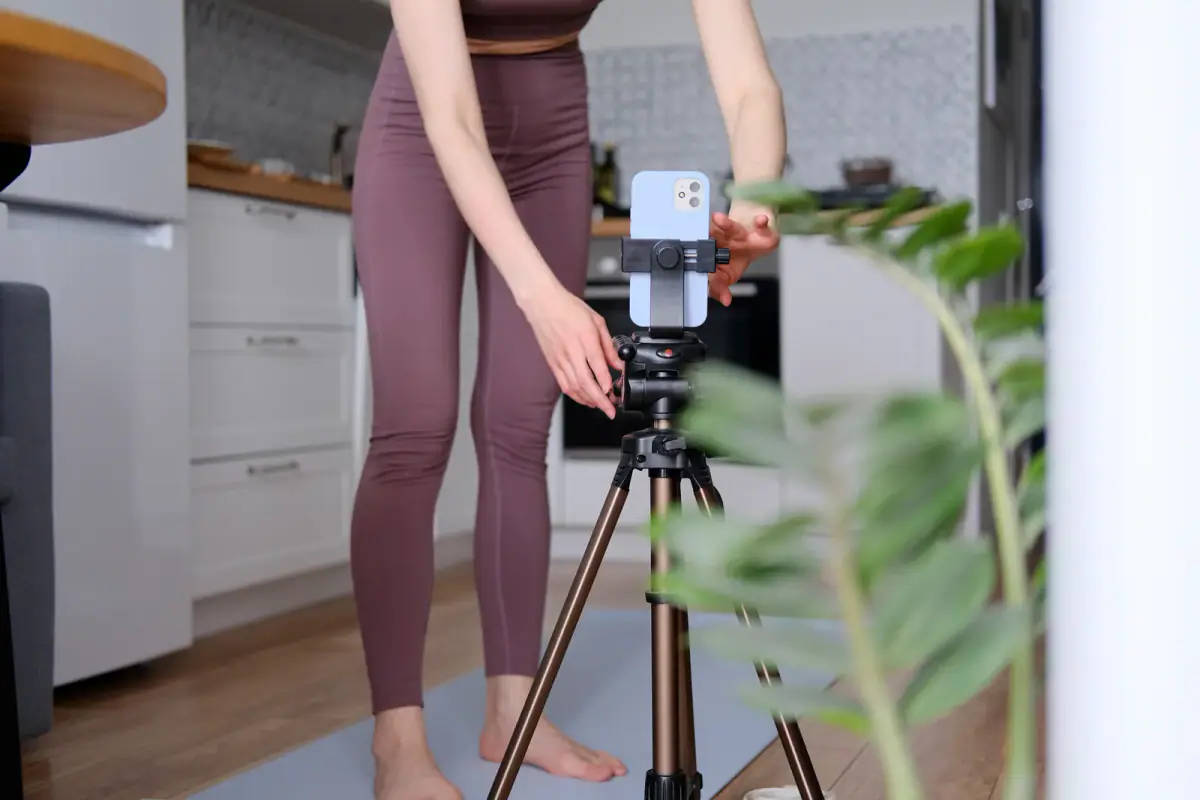
The best short form video ideas for personal trainers are repeatable formats you can film in one room with one phone: a single exercise demo, a common mistake fixed, a client question answered, and a behind the scenes look at a session. None needs a trend, a dance or a studio crew. What matters is that a person nearby can watch thirty seconds and decide whether you are the right trainer to message. If you need a quiet, controllable place to film, a free first hour in a private room is an easy way to start.
This list is sorted two ways: how much effort each costs you, and what it does for lead flow. A trainer with a full schedule should start at the top and stop when the week feels full.
Low effort formats: build trust while you film something you already do
1. The one move demo. Film one exercise from one angle with a plain caption. It proves competence and gets reused for clients who need a reminder. Pair it with the camera angle that shows the lift best, as covered in camera angles for exercise demos. Lead value: low, but it fills your profile with proof.
2. The cue of the week. Pick one phrase you say all day, such as “ribs down”, and show what it fixes. Lead value: moderate, because it sounds like how you actually coach.
3. The setup walk. Show how you adjust a cable, rack or bench for a client. Viewers who feel intimidated by equipment learn that you will guide them through it.
4. The room tour. Thirty seconds of the space you train in. A private room reads as calm, and self-conscious prospects often respond to that. Trainers booking hourly rooms such as those at FlexWerk in Carmel get a consistent, camera friendly backdrop for every clip.
Medium effort formats: bring in messages
5. The question answered. Take something a client asked this week and answer it in under a minute, on camera, plainly. Lead value: high. Prospects who recognize their own question tend to message.
6. The mistake fix. Show a common error, then the correction, in two beats. Keep it about technique, never about someone’s body.
7. The myth, corrected politely. Pick a belief clients bring in and say what you tell them. Avoid health claims beyond widely accepted exercise guidance, and send medical questions to a clinician.
8. The session snippet, with consent. A few seconds of a client moving well, with permission in writing. How to film a client testimonial covers the release side.
Higher effort formats: save for the slow weeks
9. The day in the room. Open the doors, set up, meet a client, reset. It shows the rhythm of your work and builds trust.
10. The five minute routine. A short sequence a viewer can do at home. It earns saves and shares, and it ends with a pointer to where you train.
A quick chooser
- Short on time this week: formats 1, 2 and 4.
- Want more inquiries: formats 5, 6 and 8.
- Slow season, rebuilding: formats 9 and 10, plus a note on your booking link.
- Camera shy: hands-only versions of 1, 3 and 6, with text on screen.
Make filming one block, not ten chores
Filming costs less when it happens in a single sitting. Book one hour in your room, film six to eight clips back to back, change a layer of clothing between a few of them so posts do not all look identical, and post across the next two to three weeks. Filming a program in a day covers a larger version of this, and how posts get repurposed shows how one clip becomes several.
Before you hit record, check your light and sound. A clear voice and even light make a clip look considered, and lighting in a small room keeps it quick.
What to leave out
Skip anything that promises specific body results, compares clients, or shows someone in pain. Skip trending audio you do not have the right to use, which copyright basics for trainers explains. And skip posting for the sake of posting. Ten clips that sound like you are worth more than fifty that could belong to anyone.
How to know it is working
After a month, count three things: messages that mention a video, consult requests, and new clients who say where they found you. Likes and views matter less. If one format keeps drawing messages, make more of it. If nothing draws any, change the hook before the format, which the first three seconds explains, and keep the Reels playbook for local clients nearby for the local angles.
The point of any list like this is to remove the daily decision. Pick your three formats, write them on a card, and let the week run itself.
A four week starter plan
Week one: film formats 1, 2 and 4 in a single hour, and post one clip every other day. Week two: add a question answered, using something a client actually asked, and reply to every comment within a day. Week three: film the mistake fix and a session snippet with written consent, and note which clip draws the most messages. Week four: review, keep the two best formats, and drop the rest. This plan asks for one filming hour and a few minutes of posting a week, which is why it survives a busy client calendar. If you want to see where each clip goes next, the repurposing answer linked above shows how to turn one filmed session into stills, a caption series and an email.
Where the ideas come from
Your best material is already in your week. Client questions become answers, repeated corrections become mistake fixes, and the setup you do before every session becomes the walk through. Keep a running list on your phone, and when you sit down to film, choose from the list instead of starting from nothing. Over a few months the list stops being a plan and becomes a library, and the trainer who built it spends less time deciding what to say and more time coaching.
Keep a short log beside it: the format, the date posted, and one line on what happened afterward. Patterns appear within a month, and they will tell you which formats deserve a permanent slot in your week and which were only interesting to make.
Related questions
How many ideas do I need to start?
Three formats are plenty. Repeat them for a month, see which draws messages, and then add one more. Variety matters less than being recognizable.
Do I have to appear on camera?
Not for every format. Hands-only demos and text over movement work well, though at least some clips with your face help prospects judge whether they would feel at ease with you.
Which format brings the most clients?
Usually the ones where you answer a real local question directly. Demos build credibility, but clear answers tend to produce the messages.