
Instagram Reels That Bring in Local Training Clients
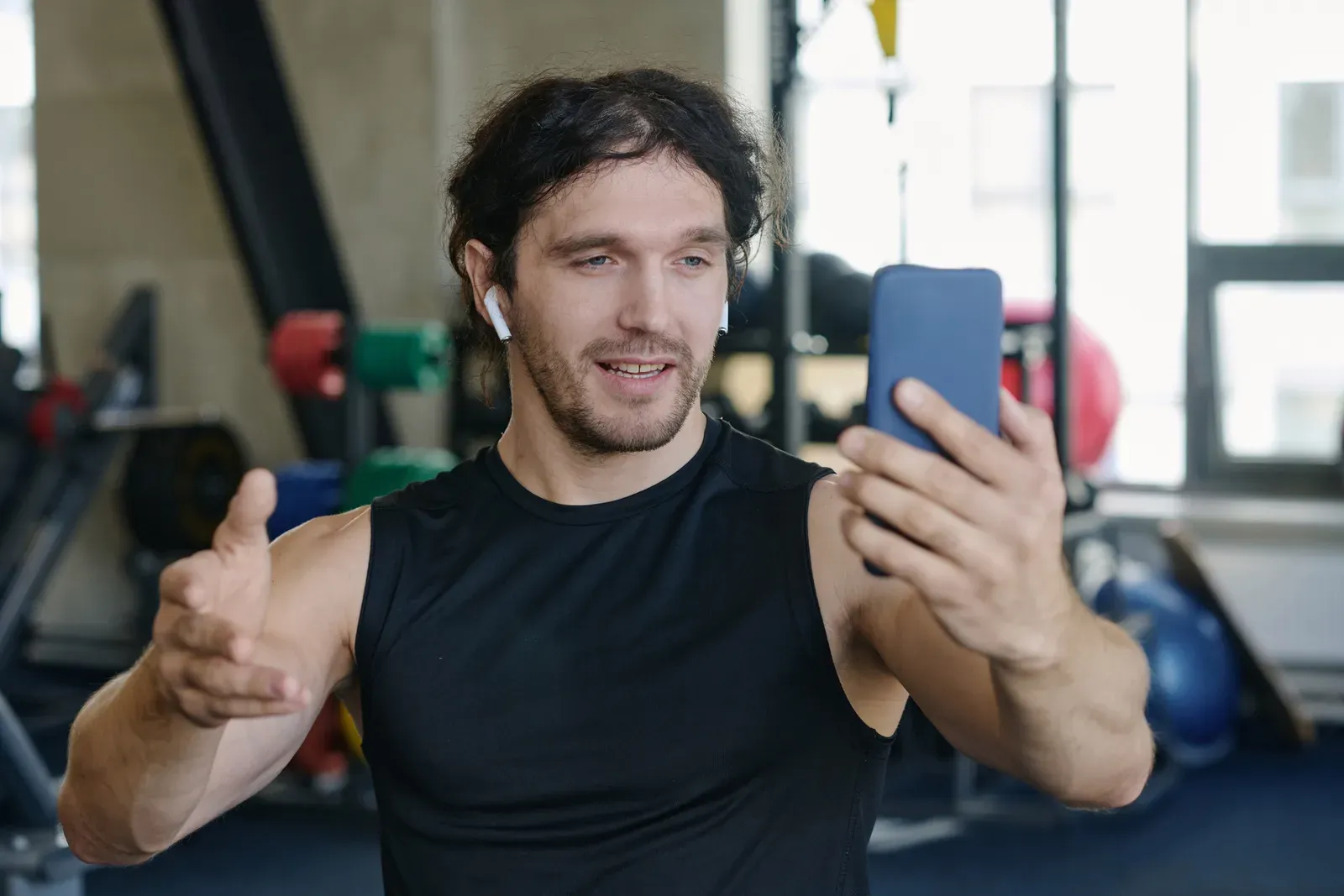
Instagram Reels bring in local training clients when they stop chasing viral reach and start being recognizably local: your face, your training space, your city’s landmarks, and answers to the questions your actual neighbors are asking. The algorithm shows Reels to people near you more than most trainers realize, which means a modest account posting consistently local content can out-earn a big generic one for actual paying sessions.
The gap between “fitness content” and “client-getting content” is the whole game here. This is the playbook for the second kind.
Why local beats viral, in real numbers
A viral Reel feels great and pays almost nothing. A Carmel resident who books two sessions a week is worth thousands of dollars a year; a hundred thousand views from strangers in other states is worth a dopamine spike. When you optimize for local recognition instead of raw reach, everything about your content changes:
- Hooks name places, not hacks. “The mistake I see runners make on the Monon” beats “3 exercises you NEED” for the only audience that can hire you. The Monon Greenway runs five miles through Carmel and sees well over a million metro trail users a year: that is a local hook with a built-in audience.
- Your setting becomes an asset. Filming in the same recognizable training space builds familiarity, and familiarity is what makes a stranger comfortable sending a DM.
- Comments become consults. Local viewers ask local questions (“do you train out of Carmel City Center?”), and every public answer is marketing.
The honest caveat: Reels are a slow channel. Expect months of consistency before DMs become bookings, and keep your Google Business Profile working alongside it, because search still converts intent faster than any feed.
Five Reel formats that convert locally
You do not need trends or dancing. You need repeatable formats:
- The local question answered. Take a question a real client asked this week and answer it in 30 to 60 seconds, on camera, plainly. Over time you become the trainer who answers things straight.
- The session snippet with consent. Ten seconds of a client working, twenty seconds of you explaining what the exercise is for. Get written permission first; our guide to before and after photos and consent covers where the lines are.
- The niche myth-buster. Pick your specialty and correct one common mistake per Reel. Specialists get hired: industry reporting suggests around 52% of clients now look for a specialist over a generalist.
- The behind-the-scenes hour. Setting up a suite before a 6 AM session, programming on the whiteboard, the reset between clients. Process content builds trust with professionals who value professionalism.
- The landmark tie-in. Seasonal content anchored to places your clients know: Monon mileage in spring, indoor training when January highs sit around 33 degrees, sports-parent content when youth seasons ramp up around Grand Park in Westfield.
Rotate the five and you have years of material without ever chasing a trend.
Bake in the local signals
Small mechanical choices tell Instagram, and viewers, where you are:
- Geotag every Reel with your neighborhood or facility location.
- Say the place out loud. “Here in Carmel” in the first sentence does more local targeting than any hashtag.
- Use a handful of local tags, not thirty generic ones.
- Show local context in frame when it is natural: the storefront, the trail, the suite.
- Collaborate locally. A joint Reel with a Carmel physical therapist, coffee shop, or youth coach puts you in front of their local audience, which is the only audience that matters.
Filming logistics without a production budget
Consistency dies when filming is a hassle, so remove the hassle:
- One phone, one tripod, one clip-on mic. That is the entire kit.
- Batch it. Book one hour, film four to six Reels, post them across two weeks. Trainers working from hourly space often tack a filming block onto an existing booking.
- Control the room. Lighting you can adjust, music you choose, and nobody wandering through your frame make a bigger quality difference than any camera upgrade. This is a real advantage of a private suite over a commercial floor: FlexWerk’s suites are deliberately filming-friendly, with controllable lighting and no bystanders to blur or ask permission from, and plenty of the coaches at Carmel City Center shoot their content during regular session hours. The broader setup is covered in content creation space for fitness coaches.
- Ship imperfect. A clear answer with mediocre lighting beats a cinematic Reel that never gets posted.
Turning views into consultations
Reach without a next step is a hobby. Close the loop deliberately:
- One call to action per Reel, usually “DM me the word START” or “link in bio for a consult.” Vary the wording, never the destination.
- Answer DMs like a professional, fast and warm, moving to a short call rather than an endless chat.
- Make the bio do its job: who you help, where you are, one booking link.
- Track sources. Ask every new consult how they found you and count it monthly, so you know whether Reels deserve more hours or fewer.
Give the system ninety days of honest effort before judging it. And if the thing holding your content back is the room you film in, book a free first hour in a private suite and batch your first month of Reels in a space that looks as professional as you are.
Related questions
How often should a trainer post Reels to get local clients?
Two to four per week, sustained for months, beats a daily sprint that burns out in three weeks. Local conversion depends on repetition in front of the same nearby audience, not volume.
Do Reels need to go viral to bring in clients?
No, and viral reach is mostly wasted for a local business. A Reel seen by 800 people in Carmel and Westfield will out-earn one seen by 200,000 strangers across the country.
Can I film client sessions for Reels?
Only with written consent, and never film other people in the background without permission. A private suite makes this simple because the only people in frame are the ones who agreed to be there.