
Stretch Practitioner Certification: Options and Limits
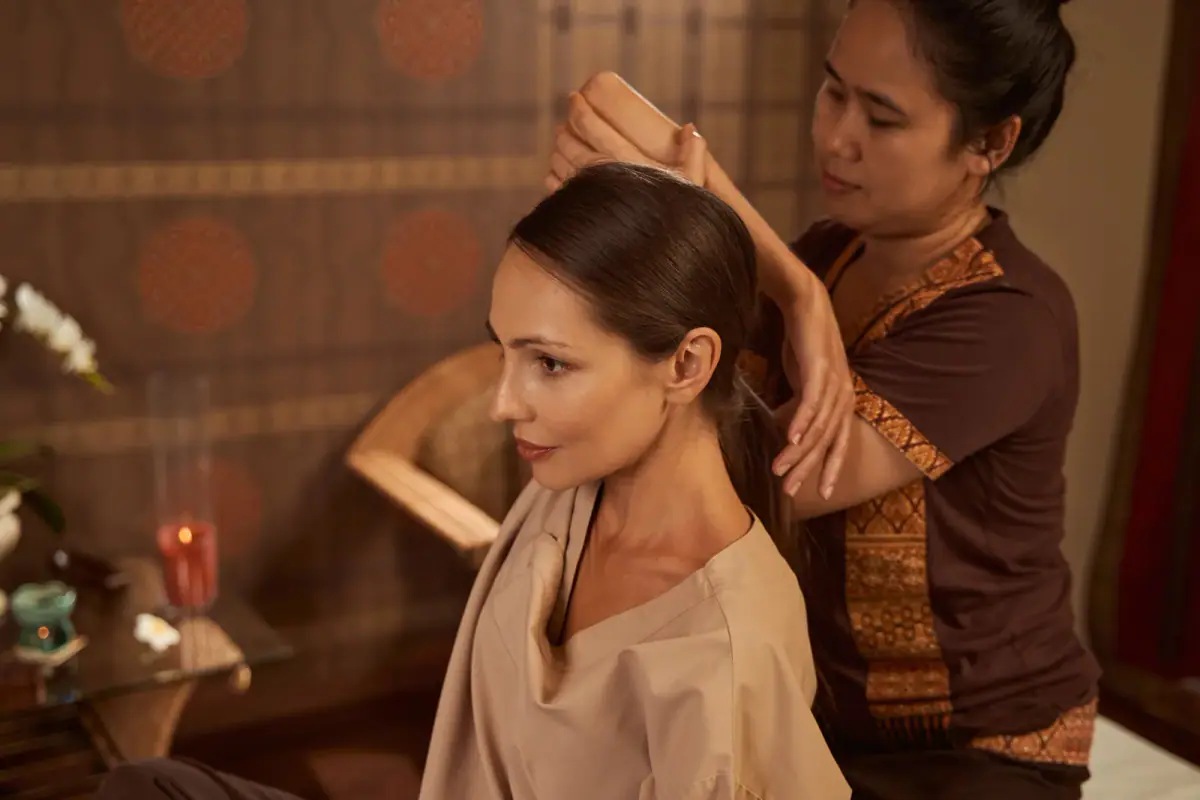
A stretch practitioner certification proves you completed a training course; it does not license you to do anything, and in Indiana the line that matters is set by the massage therapy statute, not by the certificate. The market for stretch credentials is wide open and mostly private, so the useful question is which ones a client, an insurer or a regulator will actually weigh. If you are weighing a stand-alone service, the assisted stretching studio rental page shows the room side of the plan, and this guide covers the credential side.
Why the title itself is unregulated
Nobody licenses the words stretch practitioner. Education companies write their own curricula, name their own levels and issue their own certificates, so two people holding the same title can have trained for a weekend or for a season. That is not a flaw you can fix by shopping harder; it is how the category works. Treat every course as a statement about the course provider, then ask what it adds to your practice that you could not already do.
Ask each program four things before paying:
- How many hours are hands-on with a supervised partner, not video?
- Is there a written or practical assessment you can fail?
- Does the curriculum teach screening, contraindications and when to refer out?
- Will an insurer name it as an accepted credential for your service?
If the answer to the last question is unknown, call a liability insurer and ask. What assisted stretching coverage looks like is its own question, and the credential list an underwriter accepts is shorter than the list a course brochure suggests.
The base layer: credentials that travel
Most trainers who add stretch work already hold the credentials that matter most. Indiana does not license personal trainers, so the market sets the bar: a recognized, accredited personal training or movement credential, plus current CPR and AED, is what gyms, insurers and cautious clients look for. Which certifications independent trainers hold in Indiana covers that base in detail. A stretch course sits on top of it as a specialty, the way a corrective exercise or older-adult course does.
If you hold nothing yet, the order of spending is clear: the foundation credential and CPR first, insurance second, the stretch specialty third. A specialty with no base reads as a hobby with a certificate.
Where certification stops and licensure starts
This is the section that saves practitioners the most money. Indiana’s massage therapy definition, IC 25-21.8-1-4, includes nonspecific stretching and stretching within the normal anatomical range of movement. That means a stand-alone assisted stretching service, sold as its own product with hands-on table work, may fall inside licensed massage scope. The word is may: only the state licensing agency can rule on your specific format, and a stretch certificate does not move that line either way. The full walk-through is in whether assisted stretching needs a massage license in Indiana. This is general information, not legal advice, and rules change.
Here is how the options sort in practice:
| Path | What it usually looks like | Certificate role |
|---|---|---|
| Stretch folded into a training session | A few minutes of range of motion work inside a strength or mobility hour | Supports your credibility, no separate service sold |
| Guided self stretching | You cue and coach, the client does the movement | A coaching credential covers the teaching skill |
| Stand-alone hands-on stretch service | Table work sold as its own appointment | Confirm licensing first, certificate is secondary |
| Licensed massage therapist adding stretch | Work inside an existing license | The license is the credential, the stretch course is a refinement |
Credentials that earn their cost
When you have settled the scope question, spend on training that changes the quality of a session:
- A documented stretch method course with supervised practice and an assessment, not a video library.
- An anatomy or movement assessment course that teaches you to read a client’s range before you touch it.
- CPR and AED, renewed on schedule, because an incident on a table is a different conversation than one on a gym floor.
- A screening and referral habit, which is a practice rather than a certificate: a short intake form, a clear list of conditions that send the client to a physician first, and a note in the file each time you refer.
What does not earn its cost: a credential bought mainly to put a badge on a website, or a package that promises a licensed scope the course cannot grant.
Fitting the credential into the business
A certificate pays back only when it connects to a rate card. Independent practitioners in the north metro commonly price one on one private work in the $75 to $125 range, and a stretch hour can live near that range when the setting is private and the intake is professional. The room is the smaller number: private rooms at FlexWerk in Carmel rent from $18 to $22 an hour, cardio rooms from $12, with no lease, and the first hour is free for fitness professionals. Before you commit to a franchise route, a stretch specialty tested in one hourly room is a cheap way to learn whether clients rebook.
One caution on tables: a treatment table is bring your own, and how it fits a rented room is the subject of whether you need a table for assisted stretching. Session length also shapes how credentials show up on a menu; how long an assisted stretching session should be compares the formats.
A simple sequence
- Confirm your base credential and CPR are current.
- Call the state licensing agency, describe your intended service in plain words, and write down the answer.
- Ask a liability insurer which stretch credentials it accepts.
- Pick one hands-on stretch course that passes the four questions above.
- Test the service in a booked hour with one client before you build a brand around it.
That order costs less than the reverse, and it keeps the certificate in its honest role: proof of training, set inside the scope you were actually cleared to practice.
Related questions
Is there one official stretch practitioner certification?
No single body governs the title. Credentials range from short weekend courses to multi-month programs run by private education companies, and none of them substitutes for a state license where one applies.
Does a stretch certificate let me work on clients the way a massage therapist does?
A certificate is proof you completed training, not permission to practice a licensed profession. Whether your service needs a license depends on what you do with your hands and how you sell it, and the state licensing agency decides that.
Which credential should a personal trainer add first?
The one a client would recognize and an insurer would ask about: a recognized personal training or movement credential plus current CPR and AED. A stretch specific course layers on top of that base.