
Do You Need a Table for Assisted Stretching?
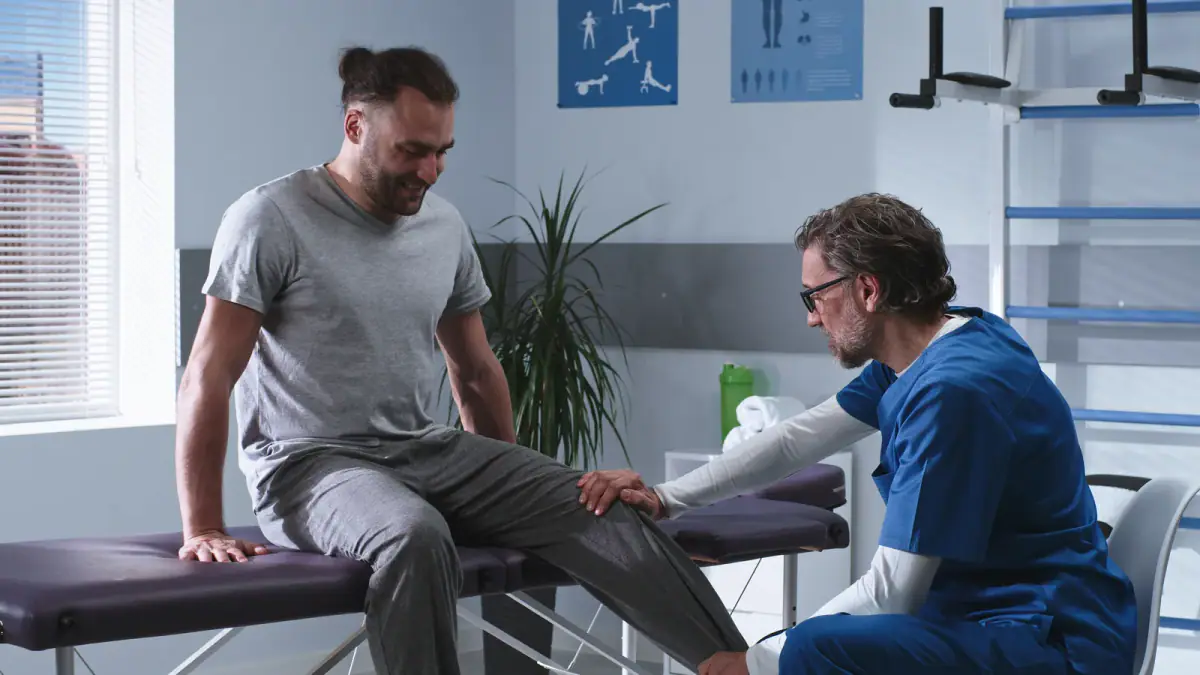
No, a table is not required for assisted stretching, but for hands-on partner work a portable table is the setup that gives you reach, client comfort and a repeatable routine. Floor based stretching with a bolster and straps is a perfectly good paid product; it just changes what you can do with your hands. The room you rent decides the rest, and the assisted stretching studio rental page explains how hourly rooms fit this work.
Table or floor: the decision in four questions
Answer these in order and the setup usually picks itself:
- Will you move the client’s limbs through range, or coach them through it? Moving limbs favors a table. Coaching favors the floor.
- How many appointments will you run back to back? More than two in a row favors the table, since reset time is shorter than rearranging a floor setup.
- Do your clients have trouble getting down to or up from the floor? If so, a table at a set height is kinder and safer.
- How much will you carry? A folding table is the largest single item; a floor kit fits in one bag.
If the answers split, start on the floor and add the table when clients ask for more hands-on work. That sequence also keeps you on the right side of the licensing question: stand-alone hands-on stretching may fall inside Indiana’s massage therapy definition, covered in the massage license answer, so confirm scope before you build the whole service around table work.
What a portable table changes
A folding table lets the client lie supported at a consistent height, which means you stop bending and kneeling through a long day. It also standardizes your routine, because every client starts in the same position and your sequence repeats. The trade-offs are real:
- Weight and bulk. Folding tables are heavy enough that you will notice them after the third carry of the day.
- Setup time. Plan a couple of minutes to open and dress the table, which is why practitioners stack clients instead of scattering them.
- Cleaning. Wipe the surface between clients and use a fresh cover; build that into the changeover rather than eating into the next appointment.
What fits in a rented room
The rooms at FlexWerk in Carmel are equipped for strength training, with a lifting rack, cable system and dumbbells, so stretch tables, bolsters and straps are bring your own. A FlexSpace Standard room is 150 sq ft and a FlexSpace Plus is 200 sq ft, which is generally enough to open a folding table with space to walk around it. Because the room is private, you set the lighting and music through the room controls and the client is not stretching in front of a gym floor.
Two logistics questions come up that this page cannot settle for you. Whether a table can stay in the room between bookings, and how early you can arrive to stage the room, are policy details. Typically at hourly facilities equipment stays only if storage is offered and agreed in advance, so ask the pro support team or look in the app for the specific answer before you plan around it. The general rules for carrying gear in and out are covered in bringing your own equipment to a rented space.
Floor setups that earn money
A table-free service is not a lesser one. A guided floor kit is typically a bolster, a pair of straps, a couple of blocks and a washable cover. With it you can run:
- Guided mobility sessions where the client does the movement and you cue.
- Breath based down regulation after a hard training block.
- Partner assisted stretches that stay within a coaching role, such as strap assisted hamstring work with the client controlling range.
Price these by session length and the privacy of the setting rather than by the equipment; how to price assisted stretching sessions covers the range, and how long a session should run compares the two formats most practitioners offer.
A quick packing list
- Folding table with a cover, or a floor kit if you are going table free
- Bolster, straps, blocks
- Intake forms and a pen, or a tablet
- Cleaning wipes and spare covers
- Proof of insurance; what assisted stretching coverage involves is a separate question worth settling early
Book a single hour, set up exactly as you would for a client, and see how the room feels with your gear in it. A free first hour is available to fitness professionals through the app, which makes the test cost only your travel time.
Related questions
Can I leave a table in a rented room between sessions?
Do not assume so. At hourly facilities, storage between bookings is usually limited or unavailable, so plan to carry the table in and out. For the policy on a specific room, ask the pro support team or check the app.
Is a floor setup acceptable for paid stretch sessions?
Yes for many formats. Guided floor work with a bolster and straps is a legitimate product, particularly for self stretching coaching. Hands-on partner stretching is where a table improves reach and client comfort.
How much space does a folding table need?
A typical folding treatment table is around six feet long and two to three feet wide, and you want walking room on both long sides. A 150 sq ft room leaves that clearance comfortably, though you should confirm the layout in person.