
Rucking on a Treadmill: Indoor Weighted Walks for Winter
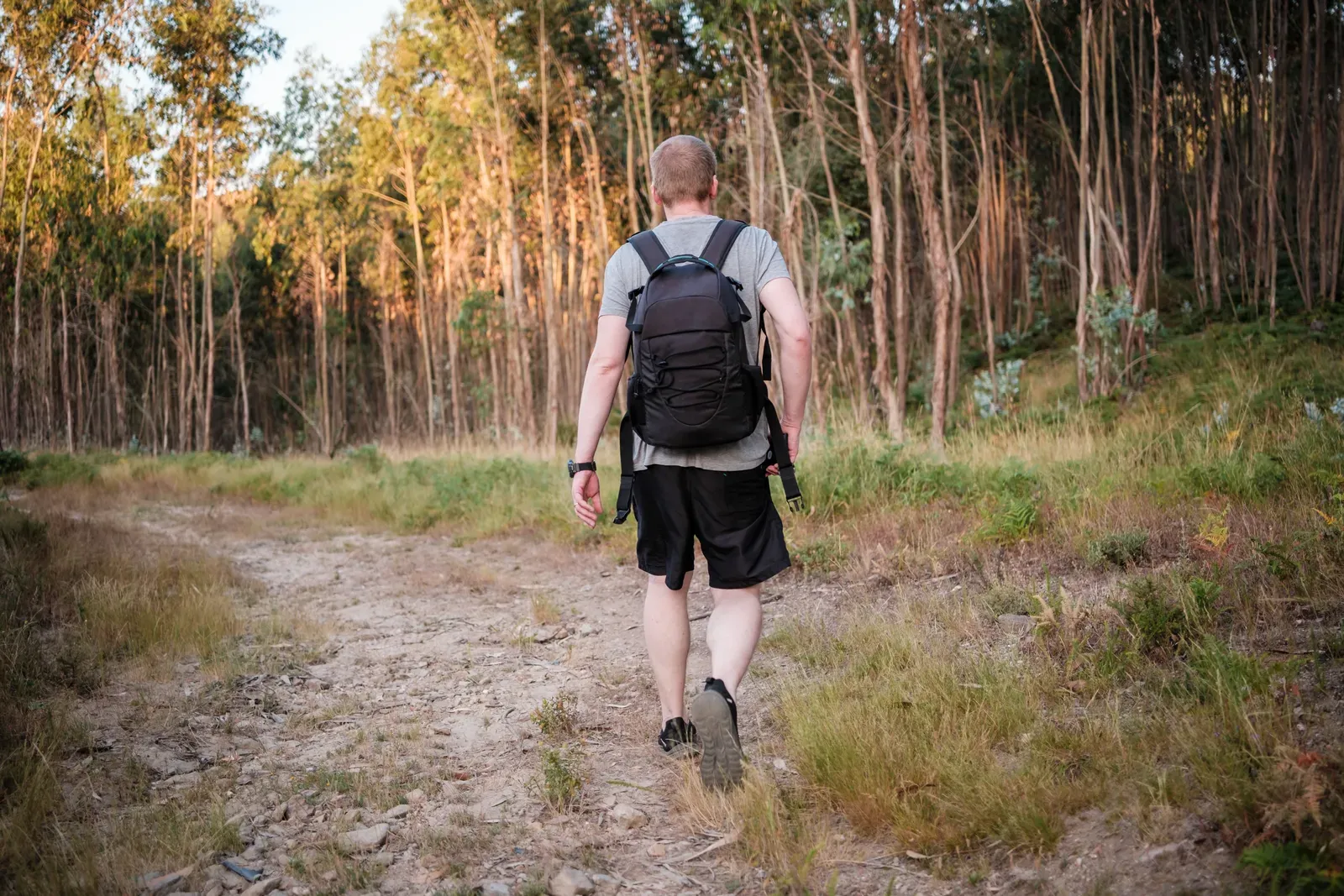
Yes, you can ruck on a treadmill, and a curved, self powered treadmill in a private room is one of the better indoor versions of it: load your pack, step on, and the belt moves at exactly the pace you drive. A private workout space in Carmel rents from $12 per hour for cardio spaces, which keeps a rucking habit alive through the roughly 22 inches of snow Indiana throws at it every winter.
Two honest ground rules before the how: bring your own ruck, because the facility does not provide weighted packs, and do not expect incline settings, because curved treadmills do not work that way. What they do instead turns out to suit rucking well.
Why a curved treadmill suits loaded walking
A curved treadmill has no motor. The belt only moves because you push it, and at walking pace under load, that detail matters more than it sounds:
- The belt matches you, not the other way around. Under 30 or 40 pounds of pack, you do not want a motor dictating pace when your posture or footing needs a beat to adjust. Step slower and the belt slows that instant; stop and it stops.
- Self powered walking typically costs more effort than a motorized belt at the same speed, which partially substitutes for the hills and incline you are not getting indoors.
- Your gait stays honest. The slight curve encourages a midfoot strike and an upright carry, which is exactly the posture a loaded pack punishes you for losing.
The honest limit: no belt replicates real terrain, camber, or descent, and descents are half of what outdoor rucks train. Indoor rucking is a winter continuity tool, not a full replacement. Treat it the way winter runners treat their treadmill blocks: keep the engine and the habit, then return to ground truth in spring.
Structuring indoor ruck sessions
A workable indoor ruck program fits neatly into booked hours:
- The weekly standard ruck: 45 to 60 minutes at a brisk, conversational pace with your normal training load. Commonly recommended starting loads run around 10 to 20 percent of bodyweight, progressing slowly.
- A pace intervals session: 5 minutes brisk, 2 minutes easy, repeated 6 to 8 times. The instant responsiveness of the self powered belt makes these transitions clean.
- Progression: add time before pace, and pace before load. Load jumps are where shoulders and hips get wrecked, indoors or out.
Recovery deserves the same respect indoors as out. A loaded hour taxes shoulders, traps, and feet in ways an unloaded walk never will, so keep at least a day between ruck sessions early on, and drop the pack for a session when anything stays sore past 48 hours. The habit survives winter by being repeatable, not heroic.
Because the room is private, the logistics that make rucking awkward at a commercial gym disappear. Nobody side eyes the person marching with a backpack, your pack and plates live on the floor beside you instead of in a corner you have to defend, and the hour is yours with your own music playing out loud, a TV if you want it, and lighting you control.
Use the controlled environment to tune your setup, too. Indoors, with no mud or weather to blame, you can isolate the variables that cause trouble on long rucks: where the load rides on your back, how the straps sit after thirty minutes, which socks and boots leave hot spots. A few winter sessions of deliberate tinkering means spring’s first long outdoor ruck starts with a dialed setup instead of a shakedown hike.
Pair the ruck with strength in the same building
Rucking rewards a strong back side: legs, hips, upper back, and grip. FlexWerk’s strength spaces, $18 to $22 per hour, hold a custom lifting rack, cable system, and dumbbells supporting 850+ exercises in a Standard, which covers the classic ruck support work: squats, step ups, dumbbell carries, rows, and direct core training. One strength hour and one or two ruck hours per week is a complete winter block for candidates prepping a timed event, and for that crowd the fitness test practice playbook folds rucking into the bigger test picture.
If your reason for rucking is military or public safety preparation, the same room handles both halves of your training. If your reason is simply liking hard walks, that counts too, and nothing about the room asks you to justify it.
Winter logistics, then back to the trail
FlexWerk sits at Carmel City Center on 885 Monon Green Blvd, steps from the Monon Trail, with garage parking a short walk away. Hours run Monday to Friday 5 AM to 9 PM and weekends 7 AM to 4 PM, so dark 5 AM rucks before work stay on the calendar all winter. After a first host conversation, every booking happens in the FlexWerk app in seconds.
The money stays simple: cardio spaces from $12 per hour, strength spaces $18 to $22, no membership, and a free first hour for solo renters who are 18 or older and local once a host confirms eligibility. Ruckers weighing a home setup against rented hours can run the same buy versus rent math as any lifter, with the note that a curved treadmill is exactly the kind of purchase renting saves you from. And if you want programming built for you rather than a solo plan, coached training lives at flexwerkfitness.com.
When the Monon thaws in March, walk out the front door and put the miles back on real ground. Until then, load the pack, book the hour, and keep marching.
Related questions
Does FlexWerk provide a weighted pack or ruck plates?
No. Bring your own loaded pack. The cardio spaces provide the curved treadmill, and the strength spaces provide a rack, cable system, and dumbbells if you pair rucking with strength work.
Can I set an incline on the curved treadmill?
Curved treadmills do not work like motorized incline trainers, and no incline settings are promised. The curved, self powered belt adds its own demand at walking pace, which is what makes it a solid rucking surface.
What does an indoor ruck session cost?
Private cardio spaces start at $12 per hour with no membership, and eligible locals who are 18 or older can get their first hour free after a host confirms eligibility.