
Indoor Running Training in Carmel: The Winter Playbook
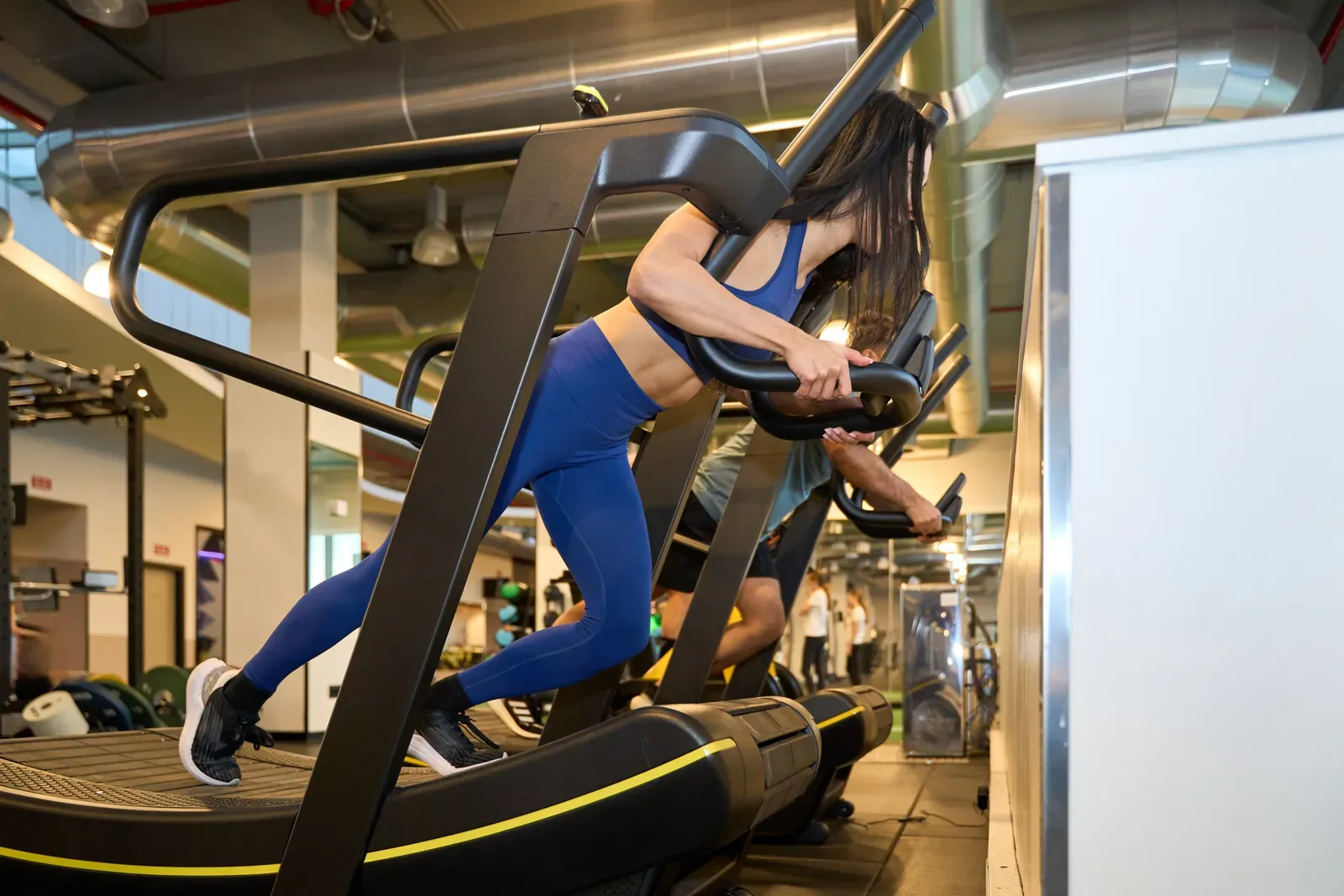
Winter run training in Carmel needs an indoor plan, because roughly 22 inches of snow a year and January highs around 33 degrees regularly turn the Monon into a rink. A private workout space with a curved treadmill, booked from $12 per hour, keeps a spring race block on schedule without a gym membership or a garage treadmill purchase.
Here is how to actually structure that, and where the honest limits are.
Why Carmel runners lose November to March
The Monon Greenway is the spine of running in this town, 5 miles of it through Carmel alone, and it is glorious from April to October. Then the freeze thaw cycle starts. Snow gets packed to ice, mornings sit well below freezing, and the safe running window shrinks to whatever daylight thaw the afternoon offers, which does not help anyone with a job.
Runners handle this three ways: run outside anyway and gamble ankles on ice, stop running and start over in spring, or move the quality work indoors. If you have a spring half marathon or 5K on the calendar, the third option is the only one that protects the race.
What a curved treadmill gives a run block
The curved treadmills in FlexWerk’s private cardio spaces are self powered: no motor, no speed buttons. The belt moves exactly as fast as you drive it, which changes how you should use it.
- Intervals are the sweet spot. Because the belt responds instantly to your effort, hard 60 to 90 second surges with float recoveries work beautifully. No fumbling with speed controls mid rep.
- Tempo runs work by effort. Settle into comfortably hard breathing for 20 to 30 minutes. The belt holds whatever you hold.
- Expect it to feel harder. Self powered treadmills typically demand more at a given pace than road or a motorized belt. That is a feature for training economy, but it means indoor pace numbers are not race pace numbers. Train by effort and heart rate inside; verify pace outside.
That last honesty matters for race prep: keep your long runs and at least an occasional pace check outdoors on clear days, and let the treadmill own the quality sessions where footing and darkness are the risk.
A winter block that fits two indoor hours a week
A workable structure for a spring race, November to March:
- One interval hour. Warm up 10 minutes, then 8 to 10 hard surges of 60 to 90 seconds with equal or longer recoveries, cool down easy.
- One tempo hour. Warm up, 20 to 30 minutes comfortably hard, cool down. Add strides at the end as race season approaches.
- Outdoor long run when footing allows. Weekend mornings, clear pavement, easy effort. When the week’s weather refuses, a longer steady treadmill session substitutes.
Track progress by effort markers rather than belt numbers: the pace you hold at a conversational breathing rate, how many intervals you finish strong, how quickly your breathing settles between surges. Those markers transfer cleanly back to the road in March, while raw indoor pace readings will only confuse the comparison.
Because the room is private, you can set the TV to whatever keeps a tempo run sane, stream your own music out loud, and run in whatever layers you like. Nobody is waiting for the machine, because the machine, and the room around it, is reserved to you. Runners who fold strength work into the winter also book the strength spaces, where a rack, cables, and dumbbells cover the single leg and posterior chain work most running plans prescribe.
Winter is also the natural season for cross training, and the cardio spaces cover that without a second facility. A HYDROW rower gives you a hard aerobic session with zero impact on the shins and calves that winter mileage tends to aggravate, and a CLMBR session builds the hip and posterior demand that hill running would if the hills were not frozen. Swapping one weekly run for a rowing or climbing hour is a classic injury insurance move during high indoor mileage, and here it is a booking choice rather than a new membership.
The booking math for a runner
FlexWerk sits at Carmel City Center on 885 Monon Green Blvd, steps from the Monon Trail itself, which makes for a tidy full circle: winter miles indoors, then out the door onto the Greenway when it thaws. Hours run Monday to Friday 5 AM to 9 PM and weekends 7 AM to 4 PM, and the 5 AM opening is precisely what a before work interval session needs in the dark months.
Cardio spaces start at $12 per hour with no membership underneath. Two indoor hours a week runs from about $96 a month, and only for the months you need it, which is the structural advantage over both a year round membership and a treadmill purchase you will resent by June. If you are 18 or older and local, the first hour is free once a host confirms eligibility, so the test drive costs nothing.
Booking is host first, app after: a short conversation settles eligibility and any questions, then the FlexWerk app handles every reservation in seconds. Summer flips this whole article on its head, by the way, when humid 90 degree afternoons chase tempo runs back indoors in July. And if what you want is a coach building your running strength plan rather than a solo room, that lives with the coached side at flexwerkfitness.com.
Pick your spring race, count backward twelve weeks, and book the first interval hour. Winter stops being the reason the race went badly.
Related questions
What does an indoor running space cost in Carmel?
FlexWerk's private cardio spaces start at $12 per hour with no membership, and eligible locals who are 18 or older get their first hour free after a host confirms eligibility.
Is running on a curved treadmill the same as road running?
No, and it is better to know that going in. The self powered belt typically feels harder than a motorized treadmill or road at the same pace, so train by effort and heart rate indoors and confirm race pace outdoors.
Can I book the same time slot every week?
Yes. After a host sets you up, you reserve hours in the FlexWerk app, and regulars simply rebook their preferred slots each week. Weekday hours run 5 AM to 9 PM, so early morning run sessions fit before work.