
Hourly Gym Rental Platforms vs. a Dedicated Training Facility
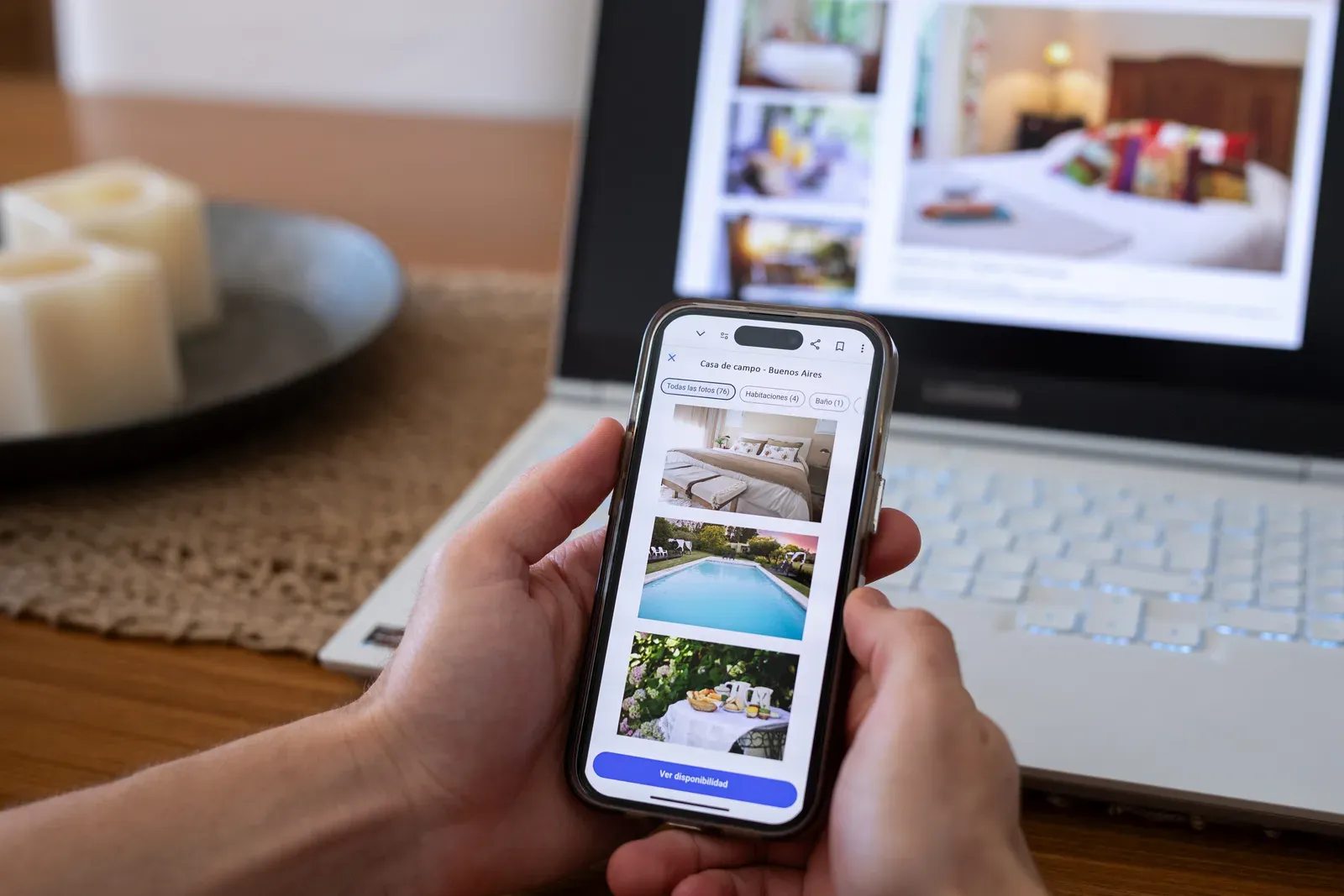
Marketplace platforms rent you a different space every time; a dedicated training facility rents you the same professional environment on repeat. That single difference decides the comparison. For one-off shoots and events, Peerspace-style marketplaces are genuinely useful. For the thing a working trainer actually needs, a reliable weekly home for paying clients, consistency wins, and it isn’t close.
How marketplace gym rentals work
The platform model is Airbnb applied to space: individual hosts, home-gym owners, studio operators with dead hours, event venues, list their spaces, set their own prices, rules, and availability, and the platform takes a service fee on top. You browse listings, message the host, and book.
What that structure implies in practice:
- Every listing is different. Equipment, cleanliness, lighting, parking, and access instructions vary host by host, the photos are a promise, not a standard.
- The host is a person, not a facility. Approval times, house rules, minimum-hour requirements, and cancellation terms are all individually set.
- Inventory is whatever locals happened to list. In some metros that’s a rich menu; in others it’s three garage gyms and a dance studio.
- Nothing is guaranteed next month. Hosts delist, change prices, or block dates whenever life demands it.
None of this is a criticism, it’s just what a marketplace is. The question is what job you’re hiring it for.
Where platforms genuinely win
Fairness first, because there are jobs marketplaces do better than any facility:
- One-off content shoots that need a specific aesthetic, a warehouse look, a rooftop, a boxing ring backdrop.
- Events and workshops needing capacity no training suite offers.
- Cities without a dedicated hourly facility. In much of the country, marketplaces are the only way to rent training space by the hour at all.
- Occasional, irregular use, a visiting coach in town for a week has no better option.
If your need is episodic and aesthetic, book the marketplace and enjoy it.
Where they break down for client training
A training practice is a repeating operation, and repetition exposes the marketplace model’s seams:
- Location churn. Your client’s habit is tied to a place. When the host delists or blocks your slot, you’re re-onboarding your whole roster to a new address, and habit churn is where client attrition hides.
- Equipment roulette. Programming depends on knowing what’s in the room. A listing’s “full home gym” might mean a power rack or a dusty Bowflex; you find out on arrival.
- The professionalism gap. Walking clients through a stranger’s garage, texting a host for the door code, working around family noise, each is small, but together they price you at the informal tier. Premium rates need an environment that backs them.
- Scheduling friction at trainer hours. Trainers need 6 AM Tuesdays, every Tuesday. Hosts list the hours they don’t want, which are rarely the hours clients do.
- Fees and minimums stack. Service fees, cleaning fees, and two-hour minimums routinely turn an attractive listed rate into a very ordinary total.
What a dedicated facility changes
A dedicated hourly facility, FlexWerk in Carmel is the model’s local example, is built for the repeating case. The same private suites every week, with a standardized build you can program against: Standard suites with a custom rack, cable system, and dumbbells covering 850+ exercises; Plus suites supporting 1,100+ for semi-private work; cardio suites with HYDROW rowers, CLMBR, and curved treadmills. Booking is real-time through an app rather than a message thread with a host, hours run 5 AM-9 PM weekdays and 7 AM-4 PM weekends, and your clients walk in on free guest access. You can see the whole suite lineup here.
The side-by-side:
| Marketplace platform | Dedicated facility | |
|---|---|---|
| Space consistency | New variables every booking | Same suites, same standard |
| Equipment | Listing-dependent | Standardized, professional |
| Booking | Host approval, message threads | Real-time app |
| Trainer-hours availability | Host’s leftover hours | 5 AM opening on weekdays |
| Client experience | Variable, sometimes residential | Private, premium, consistent |
| Weekly reliability | At host’s discretion | The facility’s whole purpose |
There’s also a quieter difference: a dedicated facility full of working professionals is a peer community, referrals, shared knowledge, adjacency to therapists and specialists. A marketplace booking is, by design, an empty room.
How to decide
Reduce it to three questions. Is this need one-off or weekly? One-off: marketplace, no hesitation. Do my rates depend on how the space makes clients feel? If you charge, or want to charge, premium-tier prices, the environment has to be repeatable and professional, which is the dedicated facility’s entire case. Can my programming survive unknown equipment? If your sessions need a rack and cables every time, a listing that might have them isn’t a plan.
Some trainers sensibly use both: a dedicated facility as the weekly home for client work, and a marketplace booking a few times a year for a special shoot or event. The mistake is only ever the inverse, running a client roster on marketplace inventory. For how the hourly mechanics work day to day at a dedicated facility, see how hourly gym rental works.
And where a dedicated facility exists, the test costs nothing: FlexWerk gives fitness professionals their first hour free. Book the same suite twice in one week, the second visit, when everything is exactly where you left it, is the argument.
Related questions
Are marketplace gym rentals cheaper than a dedicated facility?
Sometimes per listing, but totals vary widely once service fees and minimums are added, and the listed price buys a one-off stay, not a repeatable home for a client roster. Compare weekly totals, not single hours.
Can I train clients every week through a rental platform?
You can try, but you're depending on one host's calendar, continued listing, and house rules. If that listing disappears or gets booked out, your training location changes overnight.
What does a dedicated facility offer that platforms can't?
Consistency: the same private suites, standardized equipment, real-time booking, and professional-grade hours every week, plus, at FlexWerk, free guest access for your clients and a community of working fit pros.