
Yoga Studio Room Rental vs Private Suite for Strength Trainers
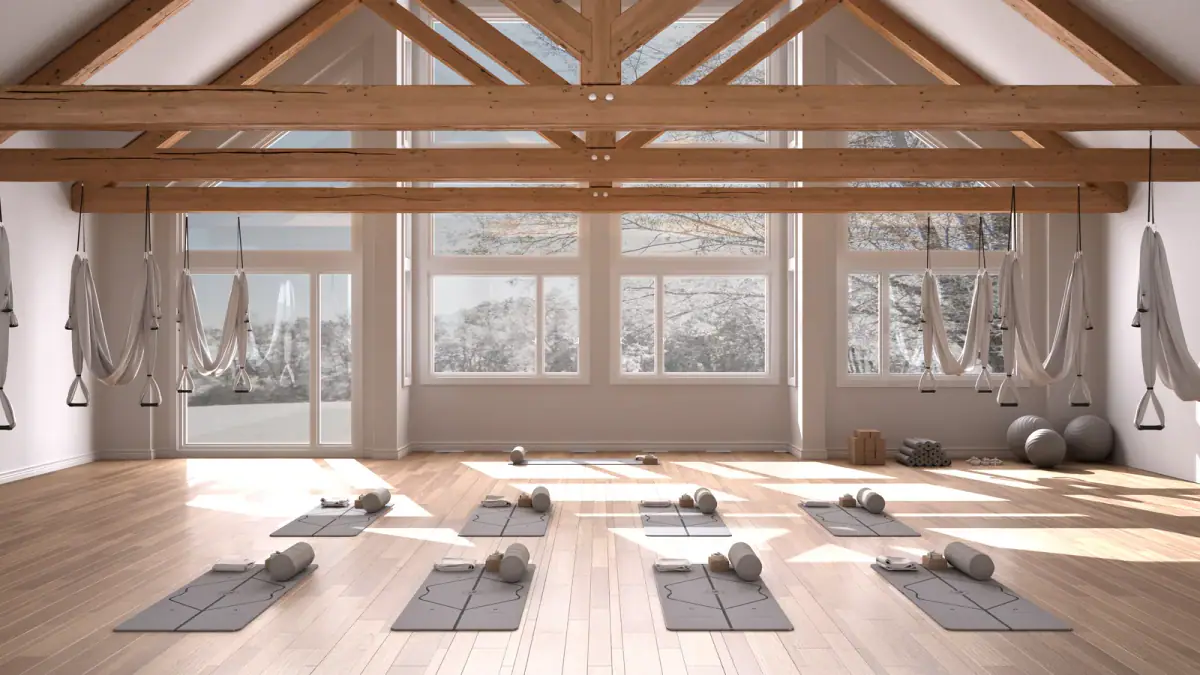
A yoga studio room is built for quiet, floor based practice, so it may or may not suit a strength trainer, while a private suite is built for loaded work and removes most of the questions a yoga room raises. Whether a studio room fits comes down to six practical questions, and you should get the answers in writing before you book. Yoga teachers who want a room of their own can start with private space for yoga instructors, which is a separate decision from this one.
What a yoga room does well
A studio room is quiet, calm and uncluttered. That suits mobility sessions, bodyweight work, stretching and light resistance with bands. If your clients are older adults, beginners or people recovering confidence, the calm setting is an asset. Many studios also have a pleasant look, warm light and an unhurried feel that clients enjoy.
Where loaded work runs into limits
A room made for floor practice is rarely made for barbells. Ask the questions below, since the answers vary by building and by studio.
- Floor: can it take dropped or racked weight, and is there protection?
- Equipment: are dumbbells and racks allowed, and where would they be stored?
- Noise: do impacts disturb the next room or a class in session?
- Anchors: is there a way to anchor cables or bands safely?
- Schedule: do classes take priority, leaving you the gaps?
- Insurance: what coverage does the studio require, and does it extend to loaded training?
The suite alternative
A private suite is equipped for strength and cardio. At FlexWerk, the strength rooms carry a custom lifting rack, a cable system and dumbbells, and the cardio rooms hold HYDROW rowers, CLMBR machines and curved treadmills. FlexSpace Standard is 150 square feet for one or two guests, and Plus is 200 square feet for up to four. Hourly spaces start from $18, there is no lease and no membership, and you keep 100 percent of what you charge. A fitness professional’s first hour is free through the get started page.
| Question | Yoga studio room | Private suite |
|---|---|---|
| Built for loaded work | Usually not | Yes |
| Quiet, calm feel | Strong | Private, controllable lighting and music |
| Equipment on hand | Often none | Stocked |
| Schedule control | Around classes | Book by the hour |
| Fit for mobility sessions | Strong | Good, bring your own props |
When the yoga room is the right call
- Your sessions are mobility, stretching or bodyweight based.
- Your clients like the studio’s atmosphere.
- The studio allows your equipment in writing.
- You do not need cable or rack work.
When the suite wins
- You program loaded lifts or cable work.
- You want a stable schedule not set around classes.
- You film your sessions for marketing, which a room with controllable light supports.
- You want no shared management and no revenue split.
Compare the arrangement, not only the room
Studios offer rentals in different shapes, from hourly room use to a share of revenue. Subleasing versus a private suite explains how those arrangements differ, and the same questions apply to a studio room. Ask for the terms before you compare prices.
Take a list of your core exercises with you when you tour any room, and test the answers against the list. A room that fits nine of ten movements is a different decision from one that fits four.
Related questions
Can I run strength sessions in a room built for yoga?
Sometimes, with limits. Ask what the floor can carry, whether weights are allowed, and whether the room has anywhere to rack or anchor equipment.
What should I ask a studio before renting a room?
Ask about allowed equipment, floor loading, noise rules, storage, insurance requirements, booking minimums and who sets the schedule around classes.
Is a suite better for loaded work?
Usually, because the room is equipped for strength and cardio and the activity is expected. Check the equipment list against your programs before you book.