
Power Rack vs Squat Stand for a Private Training Room
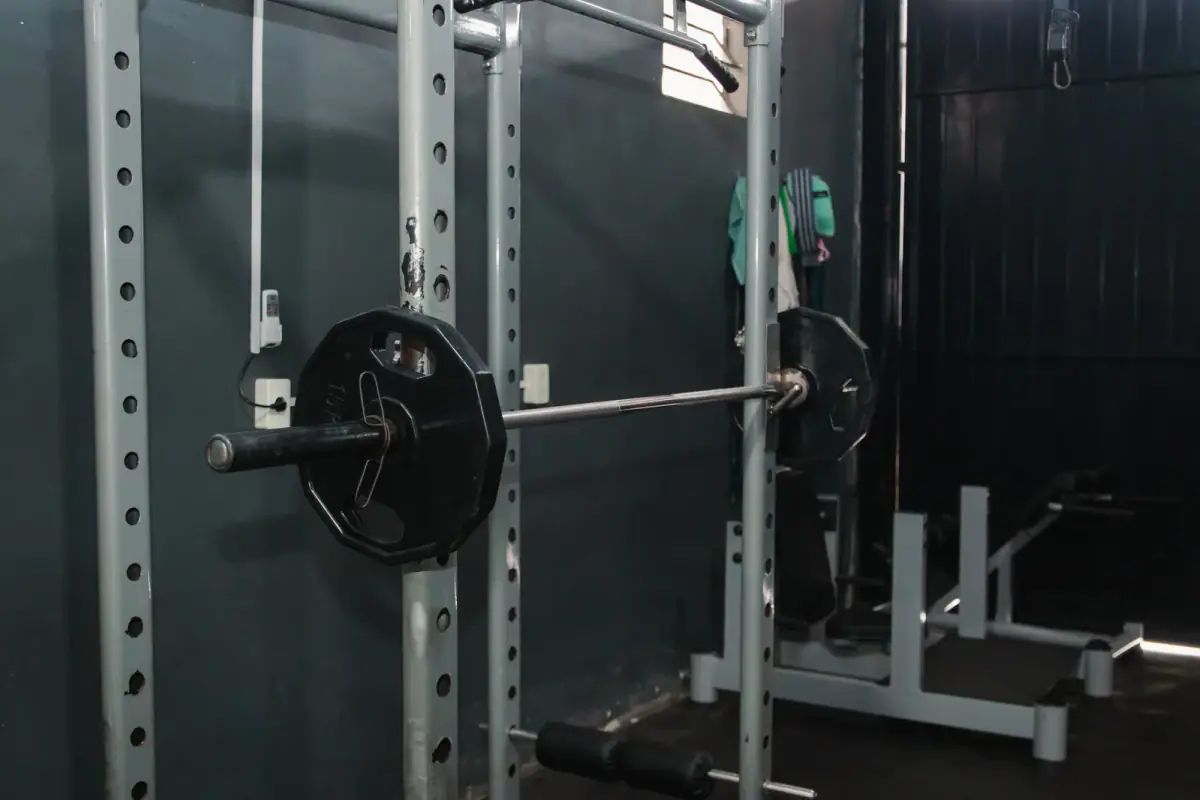
A power rack is the safer, more versatile choice because its four uprights and pins catch a missed lift on their own, while a squat stand saves floor space and works when you add safety arms. When only one rack fits in a private room, the right pick depends on the footprint, the ceiling and who is lifting. This page compares them on those terms, so you can judge a room before you book a free first hour.
Safety: pins and arms decide it
Neither frame is safe on its own. What protects a lifter is a catch set just below the lowest rep.
- Power rack: a full cage with horizontal pins or straps inside the uprights. A missed squat or bench lands on the pins, and the lifter can step out.
- Squat stand: two uprights. If it includes adjustable safety arms, it can be nearly as safe for squats and presses. Without arms, it depends on a spotter.
In a one-on-one room, you are the only spotter. That favors the cage for heavier or more experienced clients, and either frame for lighter, controlled work. Teach every client how to set the pins before the first lift.
Footprint and layout
| Factor | Power rack | Squat stand |
|---|---|---|
| Floor footprint | Larger, four posts | Smaller, two posts |
| Bar loading space | Inside the cage, with side clearance | Open on both sides |
| Weight storage | Often built in | Usually separate |
| Attachments | Many, such as pull-up bars and bands | Fewer |
| Moving it | Hard | Easier |
The bar itself is long, so plan the clearance on both ends for loading plates, and check how the door swings. A reading-the-floor-plan guide explains how to confirm that on paper.
Ceiling height and the tallest client
Racks stand tall, and exercises like overhead presses and pull-ups add more height. Check these before you commit:
- The ceiling clearance with your tallest client standing.
- The clearance for a bar racked at its highest setting.
- Lights, sprinklers or beams that could get in the way.
The guide to ceiling height in a training room goes deeper.
If this, then that
- If you coach a lot of strength clients, pick the rack.
- If you run mobility, general fitness and light lifting, a stand may be plenty.
- If your room is under about 150 square feet, measure first, because a cage may leave little room to work.
- If you want pull-ups or band work, the rack’s frame is a built-in anchor.
How this plays out at FlexWerk
Every FlexSpace has a custom lifting rack, so you do not have to buy a frame or decide between types. A Standard space is 150 square feet and a Plus is 200 square feet, and the equipment overview is in what equipment is in a FlexSpace. If you want the plain mechanics of booking, see renting a squat rack by the hour.
The decision still helps if you plan to outfit a home or long-term room later, or compare rental listings. Write down the lifts you coach, measure the room, and test a booking with a real client to see how the frame feels in use.
Related questions
Is a squat stand safe without a spotter?
Only when it has adjustable safety arms or pins set below your lowest rep, and you know how to bail. Without them, you need a spotter or you stay well within your limits.
Which takes less floor space?
A squat stand usually has a smaller footprint than a four-post rack, but a rack's pins and uprights can double as storage and attachment points.
Does ceiling height matter for either?
Yes, mostly for pressing and pull-ups. Check the clearance for the tallest client, standing with arms overhead or hanging from the bar.