
Ground Floor vs Upstairs Training Space for Lifting Clients
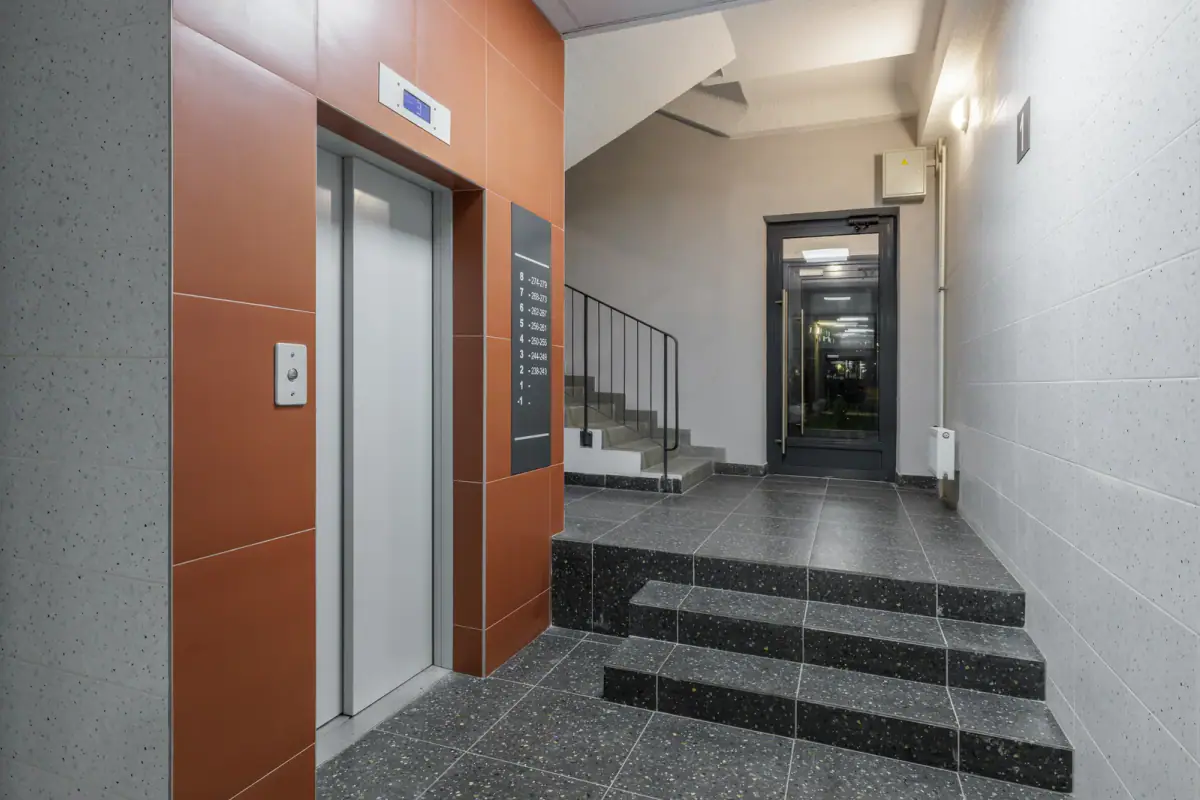
For lifting clients, a ground-floor room is usually the safer choice because dropped weights and heavy movement carry less noise and load to space below, but an upstairs room can work if flooring, elevator access and rules on drops are right. Check the four factors below on a tour, and claim a first hour to feel the room at working volume before you commit to a regular slot.
Factor one: drop noise and vibration
A barbell or dumbbell dropped on a ground-floor slab is loud in the room but usually less disruptive to others. Upstairs, the same drop travels through the structure to whoever is below. Ask whether the floor has shock-absorbing surfacing, whether neighbors are beneath you and whether the building has complaints about noise. If your sessions include deadlifts or Olympic-style work, this factor can decide the question alone.
Factor two: loading and moving equipment
If you bring any equipment of your own, think about the route from vehicle to room. Ground-floor entries let you roll items in without stairs. Upstairs means a lift or carrying, which is slow, tiring and sometimes against rules. Check whether the facility already supplies what you need, since a fully equipped room removes the problem entirely, and whether storage is allowed, as covered in can I store equipment.
Factor three: client mobility and arrival
Clients include people with knee pain, balance concerns or temporary injuries, and an older adult may not enjoy a long stairway. Ask where the elevator is, how reliable it is and whether the entry route is step-free. For arrival at the building itself, the details for FlexWerk are in client parking at Carmel City Center. Remember that an elevator out of order on a Tuesday morning can cost you a session.
Factor four: structure and ceiling
Ask the landlord or facility about the floor’s load rating for the weights you plan to use, and see ceiling height for overhead movements. A well-built commercial floor often handles typical strength equipment, but do not assume; get a written answer for anything unusually heavy.
A quick decision guide
- If your sessions include heavy barbell work, prefer ground floor or a floor rated and surfaced for it.
- If your clients are mostly older adults or have mobility limits, prefer ground floor or a dependable elevator.
- If you work with light equipment, bands and movement, upstairs is usually fine.
- If the room is above an occupied space, ask about noise rules before you book.
- If you are unsure, tour at a busy hour and listen from the room below.
What to bring on a tour
Bring a plan for your heaviest movement and ask to see where it would happen. Drop a light weight if allowed, and ask someone to listen in the next room. The touring checklist lists the other items worth checking.
Questions to ask the host about the building
Beyond the room, ask about the freight route, any hours when loading is not allowed and whether the elevator has a weight limit. Ask what happens when the elevator is out of service and whether the facility has ever had a noise complaint from a lower floor. Short, concrete answers show how well the building has already handled lifting.
The right floor is the one where your clients feel safe and your neighbors stay quiet. Test both before you decide.
Related questions
Is a ground floor always better for lifting?
For loaded lifting, it usually is, because dropped weights and heavy movement transfer less to rooms below. Upstairs can still work with the right flooring and a clear policy on drops.
What if a client cannot manage stairs?
Confirm elevator access before you book and ask how the elevator is reached from the entrance. For clients with mobility needs, a ground-floor entry avoids the question.
Do I need to ask about floor load limits?
For heavy equipment, yes. Ask the facility or landlord whether the floor is rated for the loads you plan to use, and put the answer in writing.