
Winter Training Space for Youth Teams: The Small-Group Playbook
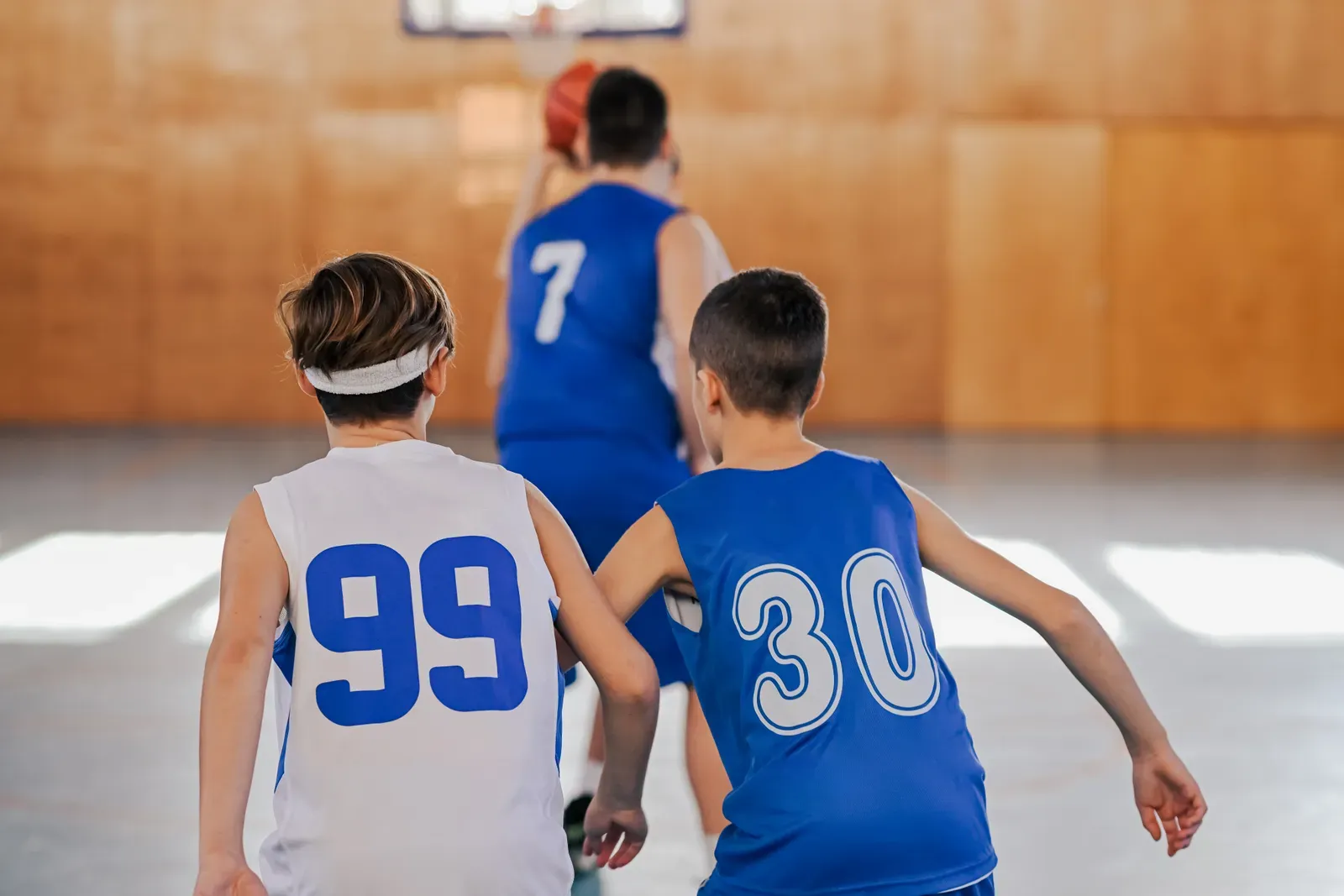
Every October, team coaches and managers around Hamilton County face the same math: the season’s momentum on one side, an Indiana winter on the other. The teams that arrive in March stronger than they left October are usually the ones that moved their winter work into small private rooms, booked by the hour, instead of chasing shrinking gym-floor access or going dark until spring. At FlexWerk in Carmel, that looks like rotating pods of athletes through fully equipped private rooms, with no lease and a free first hour for the professional running the block.
Why winter breaks team training here
Central Indiana takes the outdoor option away for a full quarter of the year. The area averages around 22 inches of snow, January highs sit near 33 degrees, and field-based training realistically goes dark from November through March. That stretch is exactly when development windows open: no games, no tournaments, and athletes with the time to get stronger.
The default alternatives are thin. School gyms are booked by school programs. Field houses rent to teams at team prices, and mostly for sport practice, not strength work. Big-box floors are a poor fit for a coach herding eight 14 year olds through a lifting circuit among strangers. So many teams simply pause, and the coach who pauses hands March fitness back to zero. Around Grand Park, where roughly 1.5 million annual visitors keep 31 fields and 26 diamonds humming the rest of the year, the winter gap is the one predictable hole in the calendar.
Start with the honest constraint: four per room
Private hourly rooms come with a hard cap that shapes everything: no room holds more than 4 people. A FlexSpace Plus is 200 sq ft with equipment supporting 1,100+ exercises, sized for a small group, not a squad. If you manage a 16 athlete roster, the winter plan is not one big session; it is pods.
That constraint turns out to be the best feature of the model. Team-wide winter workouts are notoriously uneven: the strong kids coast, the weak kids hide, and the coach supervises rather than coaches. Four athletes in a private room cannot hide. Every rep is watched, every progression is individual, and a shy athlete who would never touch a barbell in front of the whole team learns to lift in front of three friends. Coaches who run pods report the same thing trainers of adults report about private rooms: the environment does half the coaching.
The two workable structures:
- Rotating pods. Split the roster into groups of three or four, give each pod a fixed weekly hour, and rotate the coach through them. A 16 athlete team is four booked hours a week.
- Parallel rooms. Book two or three rooms for the same hour and run pods simultaneously, with the coach floating. The mechanics are covered in booking multiple rooms at once.
What a winter block actually contains
The rooms support the work a winter demands. Standard rooms carry a custom lifting rack, cable system, and dumbbells with 850+ supported exercises, enough for a full youth strength foundation: hinge and squat patterns, presses, pulls, carries, landing mechanics. Cardio rooms run curved treadmills, HYDROW rowers, and CLMBR machines for engine work when the weather takes running away. Every room has a TV and WiFi, and the rooms are deliberately filming-friendly, so testing days become film days: record the jump or the sprint mechanics in December, retest in February, and show every family the difference.
Keep the promises honest, though. A private room builds strength, movement quality, and conditioning; it does not replace sport practice, and open-field speed work still needs a field. Coaches who present the winter block as the foundation under the sport, rather than a substitute for it, set expectations that survive until spring. The long-horizon version of this thinking is laid out in youth athletic development coaching.
Minors, parents, and who signs what
Winter team blocks involve minors, so the paperwork layer is not optional. Every booking runs through an adult: the coach owns the hour, and a parent or guardian signs the coach’s waiver and any photo release before an athlete trains. Clients of professionals receive free guest access, so athletes pay nothing at the door and a parent can sit in, which families of younger athletes usually appreciate. The full age-and-booking picture, including why 18 is the booking line everywhere, is in how old you have to be to rent gym space. Waiver rules for minors vary by state, so have a professional look over your forms before the first pod trains.
The schedule and the money
Winter blocks live in the after-school margin, and the hours cover it: Monday to Friday 5 AM to 9 PM and weekends 7 AM to 4 PM at 885 Monon Green Blvd in Carmel City Center, garage parking a short walk away. After-school slots are the busiest on the shared calendar, so book the recurring pod hours for the whole block up front rather than week to week.
The cost structure is the part team managers tend to like most. Rooms rent for $18 to $22 per hour and cardio rooms start at $12, booked through the FlexWerk app with no lease, so a four-pod winter runs a predictable weekly space cost that families can split into a small per-athlete number. When the season restarts in March and the pods dissolve, the cost dissolves with them. Nothing sits empty on a lease all spring, which is the exact failure mode of teams that rent dedicated winter space. A coach who runs their own business through the winter block will recognize the model from the winter plan for outdoor trainers.
The first step costs nothing: the professional running the block gets their first hour free. Book it before the first hard frost, bring one pod, and let four athletes and a closed door make the case for the rest of the roster.
Related questions
Can an entire team book one big session?
No, and planning around that fact early saves headaches. No room holds more than 4 people, so teams run winter blocks as rotating pods or as parallel rooms booked for the same hour.
Who signs for the athletes?
An adult owns every booking. The coach books and runs the hour, a parent or guardian signs the coach's waiver for each minor, and clients of professionals receive free guest access, so athletes pay nothing at the door.
What does a winter block cost per athlete?
Rooms run $18 to $22 per hour and cardio rooms start at $12. A pod of four splitting a weekly hour carries a small per-family cost, and there is no lease or membership underneath it.