
Strength Training for Dancers: A Cross-Training Coach's Plan
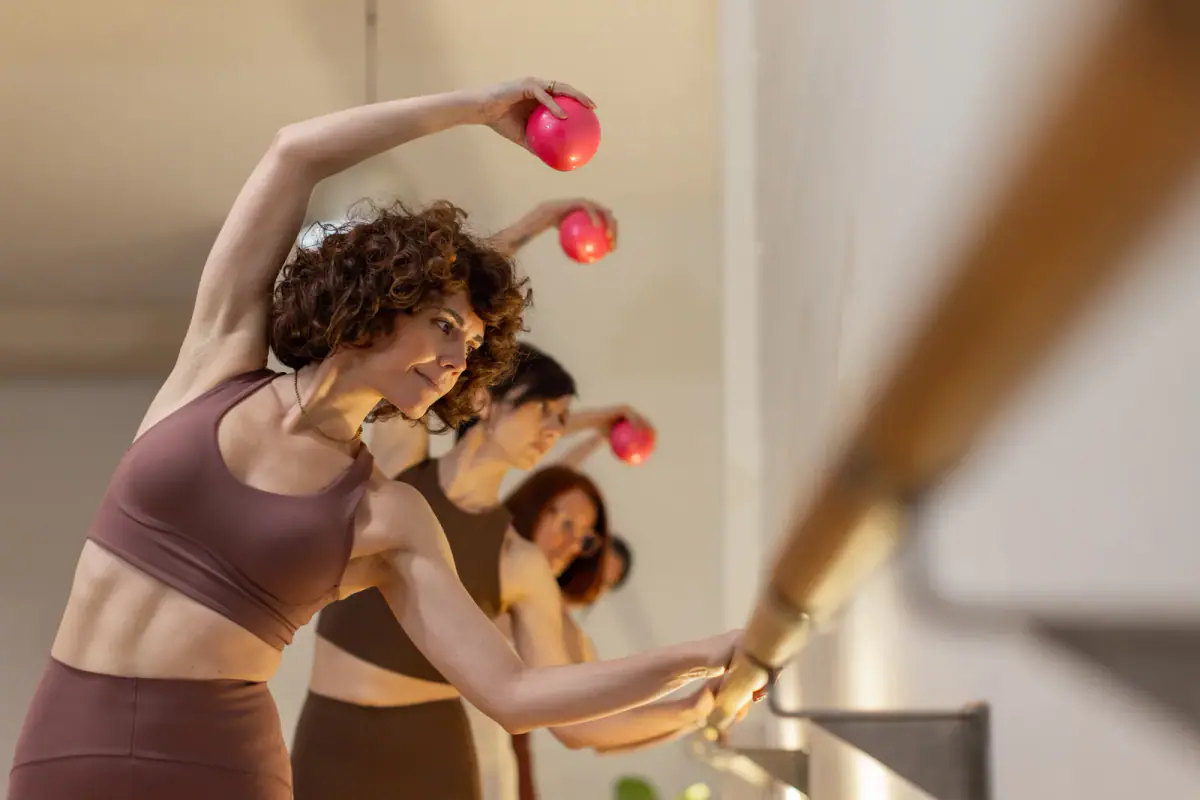
Dancers train more hours than most athletes, yet rarely lift. A cross-training coach adds strength, stability and capacity that technique classes do not build, focusing on hip stability, foot and ankle strength, trunk control and a load plan that bends around rehearsals and performances. This plan is for coaches who see dancers in a private room booked by the hour, and it assumes a dancer who is healthy and cleared to exercise. Anyone with pain, a recent injury or a medical question should see a physician or physical therapist first.
What class does not build
Dance classes build skill, flexibility and endurance in specific patterns. They often leave gaps: strength through full ranges, balanced left and right sides, deliberate single-leg loading and recovery capacity. A coach can fill those gaps without touching technique, which belongs to the dance teacher. Start by asking the dancer and their teacher what the schedule looks like and where the dancer feels least confident.
Priorities, in order
- Hip stability and strength. Control of the hip underlies turnout, balance and landings. Exercises include side-lying and standing hip work, single-leg bridges and controlled step-downs.
- Foot and ankle strength. Dancers use the foot as a tool. Short foot drills, calf raises, single-leg balance work and controlled pointing exercises build capacity.
- Trunk control. Anti-rotation and bracing exercises such as cable press-outs help hold alignment during turns and lifts.
- Upper body and pulling strength. Rows and presses support partnering, arm carriage and posture.
- General leg strength. Squat and hinge patterns at moderate loads build a base.
Teach technique first, then add load slowly. A cable system and dumbbells cover nearly all of these, and a strength room’s rack allows controlled progressions; the inventory is described in what is in a FlexSpace.
A starter session
A sixty-minute cross-training session might look like this:
- Warm-up: ten minutes of gentle movement and activation.
- Hip block: two or three exercises, three sets each, controlled tempo.
- Foot and ankle block: two exercises, focus on quality.
- Trunk and pull block: two exercises.
- Leg strength: one squat or hinge pattern at a moderate load.
- Cool-down: easy mobility and breathing.
If this, then that: if the dancer has a performance this week, cut the volume; if they have a light week, add a set; if they feel fatigued, drop a block and keep the rest. Quality over quantity, always.
Load management around performance weeks
The failure mode is stacking heavy training on a tired dancer. Plan the year in blocks, built backward from key dates.
| Phase | Strength work | Aim |
|---|---|---|
| Off-season or light period | Higher volume, new patterns | Build capacity |
| Pre-performance | Moderate volume, familiar exercises | Maintain |
| Performance week | Very light or none | Protect energy |
| After the show | Easy restart | Recover and reload |
Never test a new exercise in the week before a performance. Coordinate with the dancer’s teacher so you know when rehearsals peak.
Talk to the dance teacher
A short conversation with the teacher saves trouble. Ask about the weekly schedule, upcoming dates and any technique the teacher wants protected. Offer a summary of the dancer’s strength plan so it is clear you are adding, not replacing. Partnerships between studios and coaches work best when the boundary is clear, as described in pitching a strength add-on to a dance studio.
Safety and scope
Stay inside coaching. You do not diagnose, treat or promise outcomes. If a dancer reports pain, swelling, numbness or anything that changes, stop and suggest a clinician. Dancers can be driven and may push through discomfort, so make stopping an acceptable choice. For young dancers, involve parents, keep to age-appropriate loads and avoid any talk about body shape or weight. Do not give diet advice; refer to a licensed professional if nutrition questions arise.
The room
A strength room carries a custom lifting rack, a cable system and dumbbells, which suit every exercise above. A Standard FlexSpace is 150 sq ft for one or two guests, enough for one dancer and a parent, and a Plus is 200 sq ft for up to four, which allows a small group of dancers from the same company. Hourly spaces at FlexWerk start at $18 with a range of $18 to $22, and the first hour is free for fitness professionals. Sessions fit before school or after rehearsal, with weekday hours from 5 AM to 9 PM.
Common mistakes to avoid
Coaches new to dancers often copy a general gym program, adding heavy lower body work in the middle of a rehearsal season. Others chase flexibility with strength drills, or skip the foot because it feels small. Avoid testing maximum loads, avoid training to exhaustion before a class and avoid exercises that copy a dance step under load, since technique should stay in the studio. Keep sessions boring and repeatable, because consistency is what builds capacity.
Tracking progress without obsessing
Track a few simple measures: how many controlled single-leg step-downs a dancer can do, how long they hold a single-leg balance with good form, whether their foot exercises feel steady. Retest every four to six weeks. Share progress with the dancer in plain terms and avoid comparisons to others.
Pricing and packaging
Dancer cross-training is often sold as a block that runs alongside a season. Build the price from your costs and the hours you can fill. Use the method in how to charge for private dance lessons as a model, adapting it for strength coaching, and remember that market ranges for personal training do not transfer to other professions. For related formats, dance fitness in private space covers a group-style session, and private dance lesson space covers the teaching side.
Getting started
Begin with a conversation, a short movement check and a plan for the next four weeks. Keep the first month simple, repeat the same exercises and add load only when form is solid. Next step: write the four-block session above on a card, book your free first hour and run it with one dancer who has been cleared to exercise.
Related questions
Will strength training make a dancer bulky?
Not by accident. Dancers usually lift to build strength and control, with moderate loads and attention to quality. Any change in body shape is gradual and depends on training and nutrition, which a coach plans with the dancer.
How often should a dancer strength train?
Two sessions a week is a common starting point for many dancers, scheduled around classes and rehearsals. The right number depends on the dancer's load, so adjust with the dancer and teacher.
What if a dancer has pain?
Stop the exercise and suggest a clinician, ideally one who works with dancers. A coach does not diagnose or treat pain.