
Semi-Private Session Logistics: Pairing, Slots, and Capacity
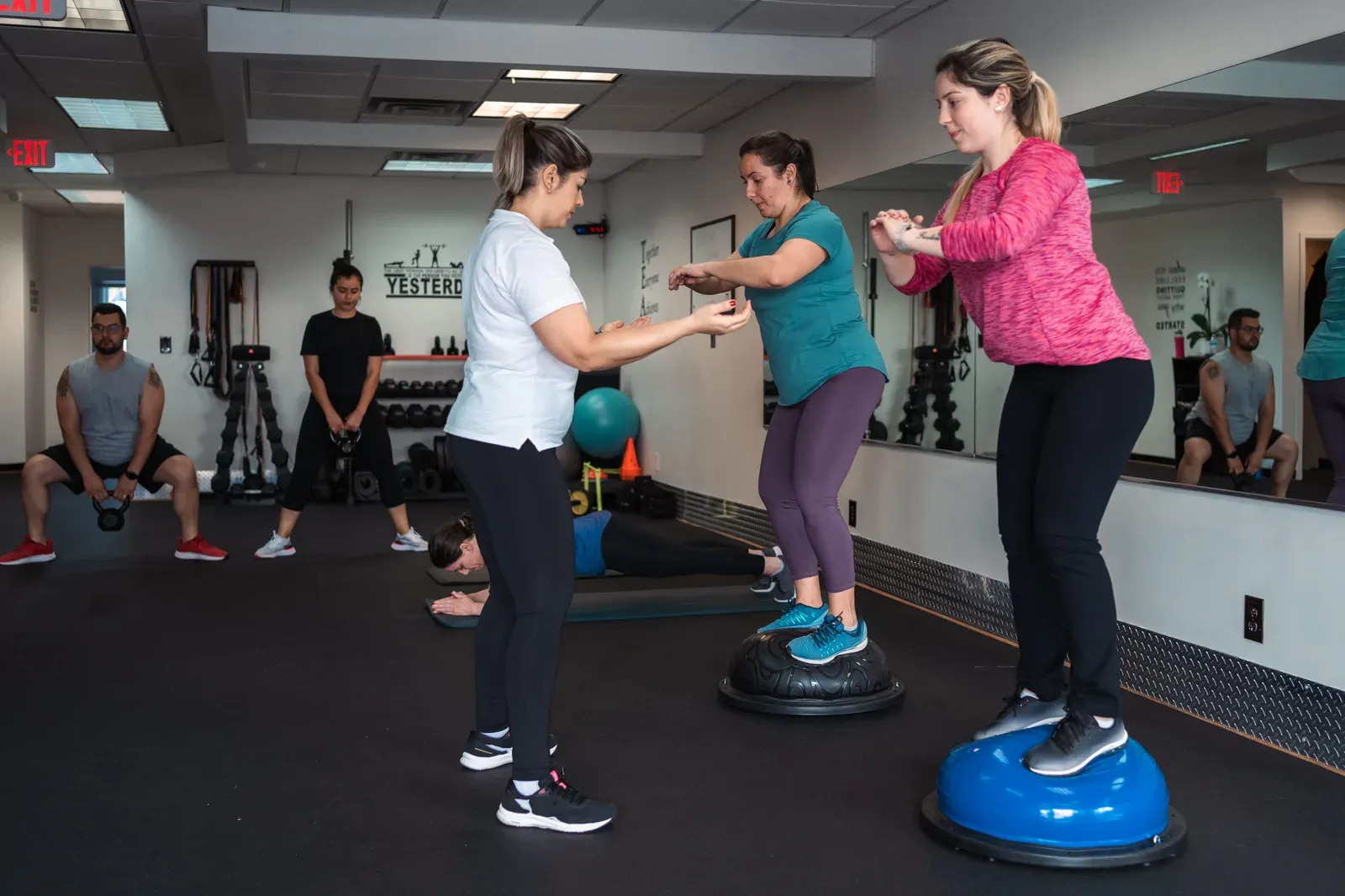
Semi-private training rarely fails on economics. It fails on operations: the pairing decisions, slot architecture, and capacity rules are what make a shared hour feel like individualized coaching instead of a discount class, and those systems are what most trainers build last when they should build them first. This guide is the operations manual; if you are still weighing whether the model fits your business at all, start with the economics and positioning, then come back here for the running of it.
Pairing: the decision that makes or breaks the hour
Great pairs are built on three filters, applied in a strict order.
Schedule first. Nothing else matters if calendars do not intersect, so begin every pairing search by sorting your interested clients into overlapping availability windows, not by who seems compatible. This is also where the local calendar helps more than most trainers expect: with 23.3% of Hamilton County working from home, midday windows that were dead inventory a decade ago are now genuinely pairable, and coaches who book hourly suites can stack an 11 AM and noon pair without paying for the empty afternoon around them.
Tempo second. Two clients who rest, transition, and work at wildly different speeds will fight the clock all hour. Match grinders with grinders and movers with movers; mixed-tempo pairs are the most common source of “this feels rushed” complaints.
Temperament third. Chatty with chatty, focused with focused. Goals can differ far more than trainers assume, one fat-loss client and one strength client share an hour fine because programs are individual anyway, but energy mismatches poison the room.
Operationally, run pairing as a standing workflow, not an event: keep a simple list of clients open to the format, their windows, and their tempo, and revisit it whenever schedules change. The easiest builds remain pre-matched pairs, spouses, friends, coworkers, which is why the couples and small-group format is the natural on-ramp.
Slot architecture: fixed blocks, anchor clients, substitute lists
Semi-private collapses under floating bookings. The format needs fixed weekly blocks: the Tuesday 6 AM pair is the Tuesday 6 AM pair, every week, because three people re-negotiating times weekly is a scheduling job you did not sign up for.
Build each block around an anchor client, the one with the most rigid schedule and strongest commitment, then fill the remaining seats around that fixed point. When a block loses its anchor, treat it as structurally at risk and re-anchor before backfilling.
Then solve absences before they happen, with two rules:
- The hour always runs. One cancellation never cancels the session for the others; the attending client simply gets closer to a private hour that day, which they experience as a bonus.
- Keep a substitute list. Two or three clients who want occasional sessions but not a standing slot can claim opened seats. A short same-day message fills more holes than you would guess, and substitutes often become your next permanent members.
Buffer your blocks, too. Back-to-back semi-private hours with zero transition time means the 7 AM pair meets the 6 AM pair in the doorway while you reset the room alone; five to ten minutes between blocks preserves the premium feel. How these blocks sit inside your whole week is its own design problem, covered in trainer schedule design.
Capacity and the room: what the space actually dictates
Capacity is not a philosophy; it is square footage and stations. The working ceiling for genuinely individualized coaching is four clients, and most pairs-focused coaches live at two or three. Past that, individualization erodes no matter how good you are.
The room enforces its own math. Running three concurrent programs requires enough equipment variety that nobody stands idle waiting for the one rack, which is why coaches running this format in a FlexSpace Plus, 200 square feet supporting up to four guests and 1,100+ exercises, map stations before the session: one client on the rack, one on cables or dumbbells, one on a conditioning or accessory station, rotating on your cue. Write the rotation into the session plan itself, so transitions are choreography rather than negotiation.
Two capacity rules save the experience. First, never add a fourth seat to cover a revenue gap; add a second block instead. Second, cap your own daily semi-private load at two or three blocks, because the format’s sustained attention demand is real, and a fried coach at 4 PM is a worse product than a waitlist.
When the machinery strains: the recurring edge cases
Even well-built blocks produce recurring frictions, and having a standing answer for each is what “logistics” ultimately means.
- The chronically late member. They join mid-warm-up without resetting the room; the block does not wait. Lateness policies apply per person, exactly like billing.
- The client who outgrows the pair. Progress rates diverge, and eventually one member needs private work or a different block. Frame the move as graduation, not eviction, and backfill from the substitute list.
- The pause request. A member stepping away for a month keeps or releases their seat per your written terms, decided before it happens, not during.
- Communication. Run one thread per block for schedule notices, and keep all coaching and billing conversations individual. The blend of shared logistics and private coaching is the entire product.
Billing deserves its own discipline, individual packages, individual policies, no shared invoices, and the full breakdown lives in how to bill semi-private clients. The economics of why all this effort is worth it are in the semi-private business model guide.
Systems in place, the format becomes the best hour in your day: two or three committed people, individually programmed, sharing energy in a room built for it. Sketch your first block on paper this week, anchor client first, then go test the choreography in a real session.
Related questions
What is the most important pairing factor?
Schedule compatibility, by a wide margin. A perfect personality match who can only train at conflicting times is not a pair. Sort candidates by overlapping availability first, then refine by tempo and temperament.
What happens to the slot when one client cancels?
The session runs as scheduled for whoever attends, and each client's billing stands on its own. One absence never cancels the hour, which is why individual billing and a substitute list are core logistics, not extras.
How many semi-private slots can one trainer run per day?
Most coaches cap it at two or three blocks daily, at least at first. The format demands more sustained attention than one-on-one work, and coaching quality is what justifies the whole model.