
Private Powerlifting Coach Space in Carmel
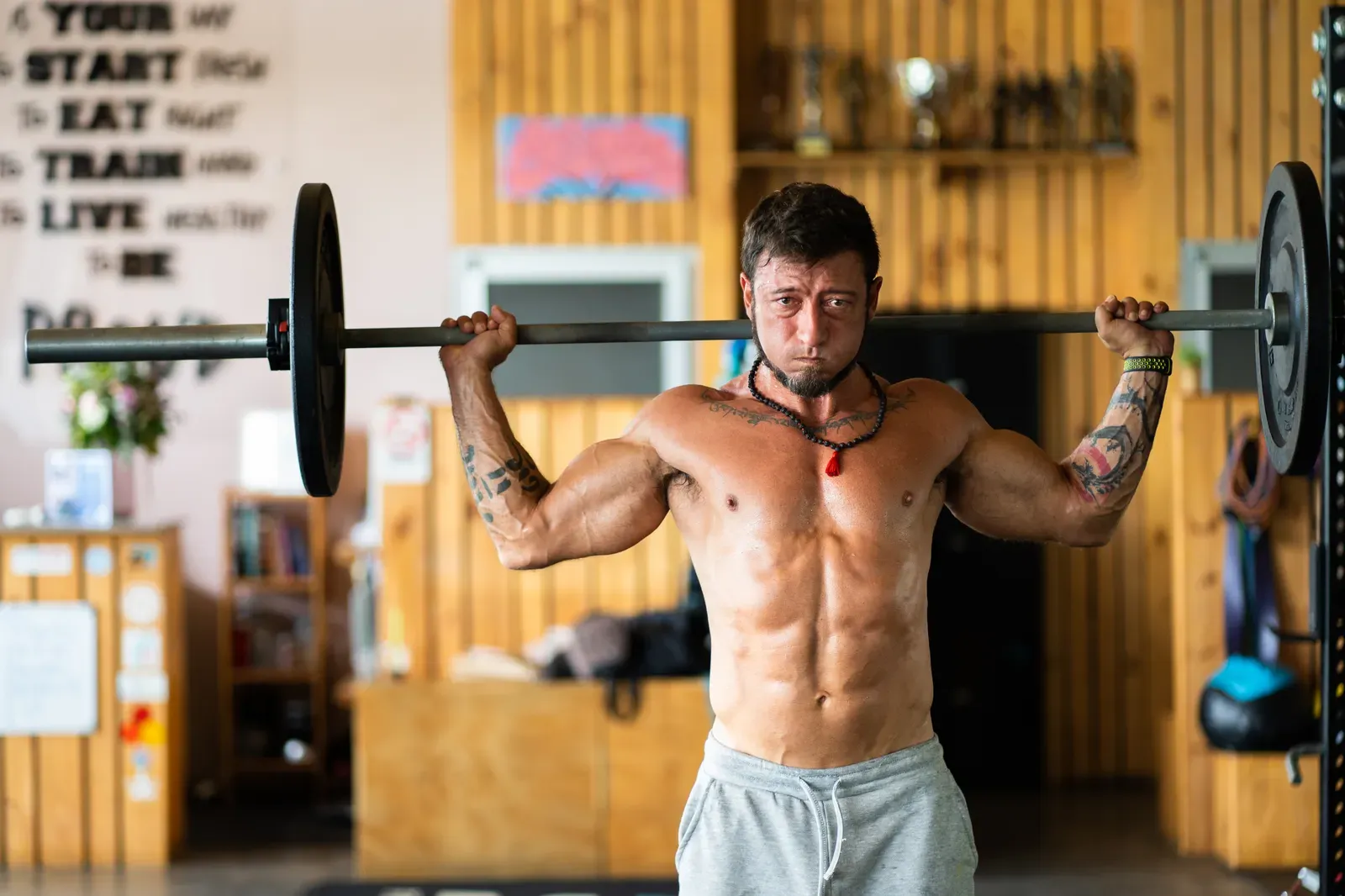
Meet prep is the most detail-heavy coaching in strength sport, and it deserves better than a contested rack on a crowded floor. FlexWerk at Carmel City Center rents private training spaces by the hour, giving a powerlifting coach a reserved rack, repeatable camera angles, and room for a handler, with no lease and the first hour free. One house rule frames everything: bars come down under control here, never dropped, which suits the sport that already trains that way.
Why meet prep belongs in a private room
A prep cycle is a sequence of decisions, and decisions need clean data. Every week you are judging depth, bar path, bracing, and readiness, then adjusting attempts on the evidence; on a commercial floor that evidence is polluted by rushed setups, borrowed racks, and camera angles that change with wherever you could find space. In a private room the variables hold still:
- The same rack, every session, set up your way before the lifter arrives
- Repeatable video angles from a tripod position you can mark and reuse, reviewed instantly on the room TV
- No queue pressure, so rest periods run as programmed rather than as apologized for
- Your commands, out loud, because practicing meet commands in public is a thing lifters simply avoid doing
A FlexSpace Standard at 150 sq ft hosts 1 to 2 guests with a custom lifting rack, cable system, and dumbbells; a Plus at 200 sq ft hosts up to 4, which is the meet-prep room: lifter, handler, coach, and a training partner all fit.
Handler practice and the last three weeks
The end of a prep is choreography, and choreography needs rehearsal space. Wraps, belt timing, walk-outs, commands, attempt-card decisions, and the handler’s routine all need reps before meet day, and they are precisely the things a public gym makes awkward. In a private room you can run full mock-attempt sequences: commands called at meet cadence, the handler practicing their timing, the lifter rehearsing the ritual until it is boring. Clients of professionals receive free guest access, so the handler and training partner cost nothing at the door.
Be honest about the boundary the way good coaches are: competition-spec equipment setups belong to the meet venue and to dedicated barbell clubs, and a max-effort deadlift day still ends with a controlled descent here. Nothing in a prep requires dropping a bar; everything in a prep requires attention, and attention is what the room sells.
The data side of prep runs better in a controlled room too. Modern meet-prep coaching lives on logged bar speed, effort ratings, and week-over-week video comparison, and all three depend on conditions holding still: the same rack position, the same camera angle, the same quiet in which a lifter can honestly rate a set. Coaches who bring a bar-speed device simply add it to the session bag. By the time attempts are selected, the decision rests on a season of clean, comparable evidence instead of gym-floor guesswork, and lifters can tell the difference at the meet they trained a whole cycle to reach.
Accessories, weak points, and the other four days
Most of a powerlifter’s week is not the competition lifts, and the room covers that majority well. The cable system handles upper-back volume, lat work, and the rehab-adjacent accessories that keep benchers pressing; dumbbells cover single-arm and single-leg weak-point work; the rack supports every pin and pause variation a sticking point demands. With 850+ exercises supported in a Standard and 1,100+ in a Plus, programming the assistance days is a matter of choosing, not improvising; the equipment rundown lists what you are working with.
For coaches whose roster mixes powerlifters with physique athletes, the physique competition coach page covers how the same private rooms serve prep of a different kind.
The business shape of a prep practice
Powerlifting coaching sells in cycles, and hourly space keeps every cycle profitable. A typical engagement runs 8 to 16 weeks toward a meet date, mixing weekly in-person sessions with remote programming; your facility cost is $18 to $22 per booked hour through the FlexWerk app, no lease, no membership, and you keep 100 percent of your coaching fee. Between clients’ meets, your space cost simply stops, which a leased gym never does. Current rates are on the pricing page, and what to charge in an hourly space covers the session-price side of the math.
The logistics suit lifters’ schedules: hours Monday to Friday 5 AM to 9 PM and weekends 7 AM to 4 PM, at 885 Monon Green Blvd in Carmel City Center with garage parking a short walk away. Indiana’s meet calendar keeps a steady stream of local lifters in some phase of prep, and Carmel’s premium demographics support specialist coaching rates; more than 40 fitness professionals already run their businesses out of the building.
The roster mix matters more than roster size in this niche. A sustainable practice usually pairs a handful of competitive lifters in active prep with a larger base of strength-first general clients who train the same lifts without a meet date; the competitive athletes are your credibility and your content, while the general base smooths revenue between meet seasons. The private room serves both tiers with the same rack, the same camera, and the same undivided attention.
Book the free first hour, bring a lifter who is eight weeks out, and run one squat session with a locked door, a marked tripod spot, and commands at full volume.
Related questions
Can I run heavy meet-prep sessions at FlexWerk?
Yes, with one house rule: bars are lowered under control, never dropped. Rack-based squat, bench, and pulling work all run normally, and the private room means no waiting for equipment mid-session.
Can I film my lifter's attempts?
Yes. The rooms are deliberately filming-friendly, with WiFi, a TV for instant review, and controllable lighting, so you can repeat the same tripod angles week over week for honest depth and bar-path checks.
How many people fit for handler practice?
A FlexSpace Plus hosts up to 4 guests, which covers a lifter, a handler, and a training partner. Clients of professionals receive free guest access, so bringing a handler costs nothing extra.