
Personal Training Studio for Rent in Indianapolis: A Field Guide
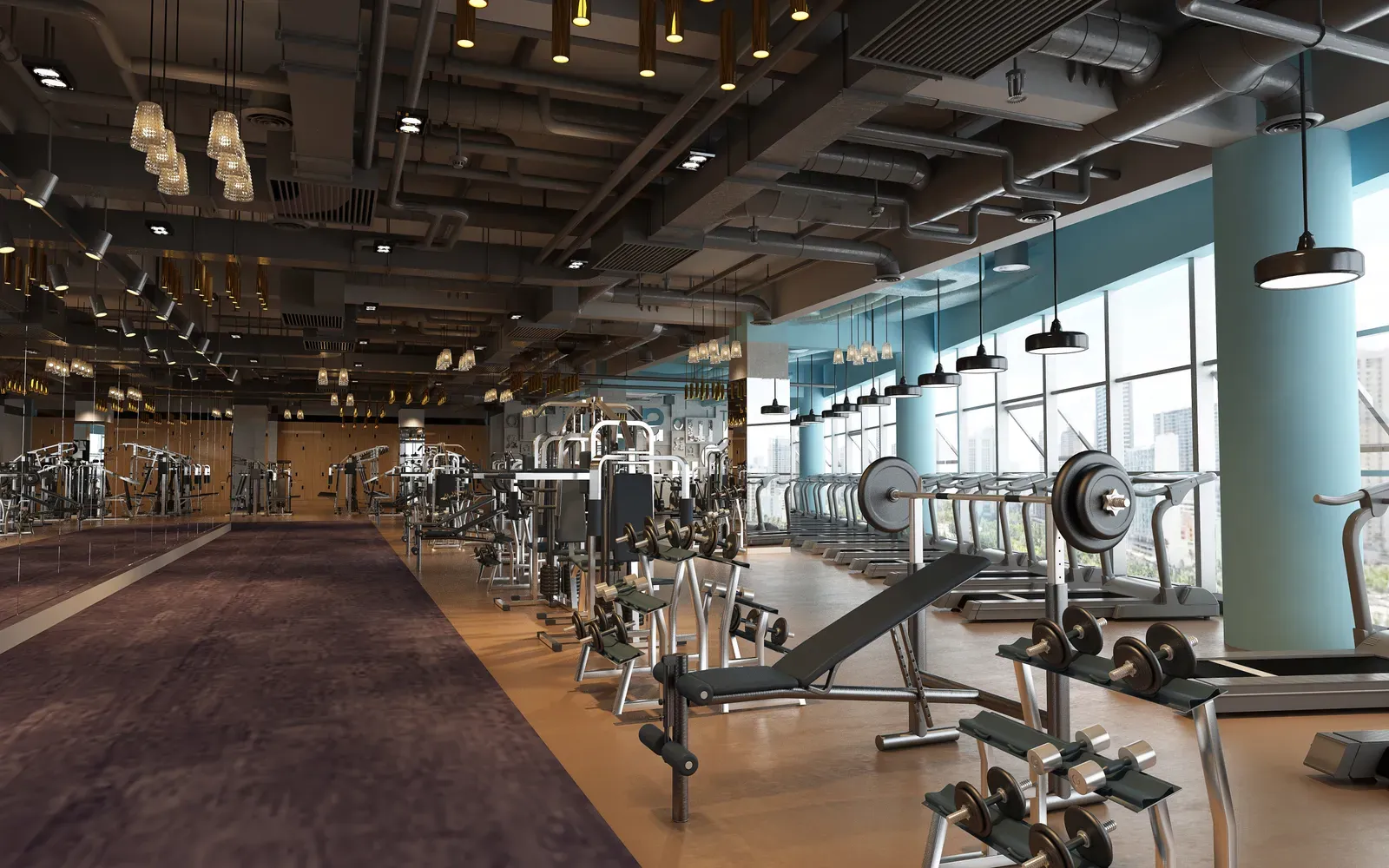
Type personal training studio for rent Indianapolis into a listings site and you will get plenty of results; almost none of them are what the words promise. The metro’s listings resolve into empty shells, sublet hours, and commission deals, and the genuinely turnkey option, a stocked private room rented by the hour, does not live on listing sites at all. That option is detailed on the rent gym space in Indianapolis page; this is the field guide to everything else you will find first.
What the listings actually are
Sort a week of Indianapolis studio-rental listings and three products emerge. First, empty commercial space: retail and light-industrial shells with good bones and nothing in them, leased on multi-year terms. The word studio in the listing describes the possibility, not the contents. Second, sublet studio hours: an existing fitness business renting its room’s dead time, real space with real equipment, available exactly when the owner does not need it. Third, gym-inside-gym arrangements: floor access or a corner at a commercial facility, paid for with a flat fee or, more commonly, a split that runs 40 to 60 percent of every session you deliver.
Each product serves someone. The problem is that trainers searching for a studio usually want a fourth thing none of them are: a private, equipped room, available on their schedule, at a cost that tracks their bookings.
The real cost of the empty shell
The lease listing’s price is the entry fee, not the cost. To turn a shell into a training studio you add build-out, flooring, a rack, cables, dumbbells, cosmetic work, routinely tens of thousands of dollars before revenue, then facility insurance, utilities, maintenance, and the unpaid administrative role you just hired yourself into. Then the structural problem: a solo coach’s 25 to 30 weekly sessions occupy a room maybe 30 hours of the 100+ it is open and paid for. Empty hours are the largest line item in solo studio economics, and no lease negotiation removes them.
Sublets and splits dodge the build-out and keep the other traps: the sublet bills fixed rent against your variable bookings and subordinates your calendar to the owner’s, and the split scales with your success, taking more dollars the better your business gets. The neighborhood-level version of this math, where village rents make it sharpest, is worked in the Broad Ripple studio rental analysis.
The stocked room, rented by the hour
The fourth product exists; it is just not a listing. FlexWerk at Carmel City Center, on the metro’s north side, rents private training rooms already stocked, custom lifting rack, cable system, dumbbells, with 850+ exercises in a Standard room and 1,100+ in a Plus holding up to 4 guests, plus WiFi, a TV, music streaming, and lighting you control. Rooms run $18 to $22 per hour and cardio rooms from $12, booked through an app with no lease, no membership, no split; you keep 100 percent of what you charge. Clients of trainers get free guest access, garage parking sits a short walk from 885 Monon Green Blvd, hours run Monday to Friday 5 AM to 9 PM and weekends 7 AM to 4 PM, and more than 40 fitness professionals already run their books from the building.
Booking is the other half of turnkey: hours reserve through the app in seconds, standing weekly blocks hold your best slots, and a canceled week costs nothing instead of its share of rent.
Priced per session delivered, the comparison is stark: the room costs its flat rate whether you charge $60 or $120, while a 50 percent split charges you more every time you raise your rates. What a private setting does to those rates is its own advantage; the metro’s premium tier commonly bills $75 to $125 or more against $40 to $70 on shared floors, and the room is a large part of what moves a coach between bands, a dynamic unpacked in the 2026 Indianapolis market read.
The honest geography
One address serves the metro, and it is not downtown. Carmel City Center sits on the north side, minutes up Keystone or US 31 from Nora, Meridian Hills, and Broad Ripple, roughly 15 minutes west of most of Fishers along 116th or 146th, and a short run east of Zionsville. For a downtown-based coach with a downtown-only book, that drive is a real cost and may decide the question. For most independents the demand map softens the blow: the metro’s premium training demand concentrates on the north side, where household incomes, corporate schedules, and youth sports stack, so the address puts you nearer the clients who pay best rather than farther from clients in general.
Choosing between the four products
Lease the shell when you are building a facility business: multiple trainers, groups larger than four, a schedule that fills a room all day. Take the sublet when you need a specific neighborhood presence and can live inside someone else’s calendar. Accept the split when you are brand new and the floor’s lead flow is genuinely feeding you clients you could not find alone; the fundamentals of that trade are covered in the private training studio rental guide.
For everyone else, rent the stocked room by the hour and let your costs track your calendar. The audition is free: book the first hour, bring one client, and compare a real session in a finished room against the best listing on your shortlist.
Related questions
What do 'training studio for rent' listings in Indianapolis actually offer?
Mostly one of three things: empty commercial shells needing build-out, sublet hours inside an existing studio, or trainer arrangements at commercial gyms paid for with a 40 to 60 percent split. True turnkey private studios rarely list.
Is there a turnkey alternative to leasing?
Yes. FlexWerk at Carmel City Center, on the metro's north side, rents private rooms already stocked with a rack, cable system, and dumbbells for $18 to $22 per hour, with no lease and a free first hour for fitness professionals.
Who should still lease a studio in Indianapolis?
Coaches with proven volume: teams of trainers, group formats larger than four, or a full-day schedule that keeps a room busy. High utilization is what makes fixed rent cheaper than hourly rates, and most solo books are not there.