
Cost to Open a Physical Therapy Clinic vs Renting a Room
Opening a physical therapy clinic from scratch commonly runs well into six figures once medical-grade buildout, exam and treatment equipment, and payer credentialing are counted, a total worth running through the calculator before signing anything, since the bill arrives long before the first insurance reimbursement does. Renting a private room by the hour and running a cash based practice instead needs almost none of that capital, at the real cost of walking away from insurance billing and the patient volume it can bring. Here is what each path actually requires, and where the direct access clock changes the calculation for a therapist deciding between them.
What a ground up clinic costs
A clinic buildout is a heavier project than a fitness studio’s, because the space has to support clinical work, not just movement. Plumbing and layout changes for treatment bays, an accessible restroom, specialized flooring, and code compliance for a medical use commonly push buildout costs well above a comparable fitness space. Equipment stacks on top: tables, modalities, and assessment tools that a fitness buildout never needs. Add a multi-year commercial lease, often with the owner personally liable for the term, and the all-in commitment lands in the same low-to-mid six figure territory that opening any training studio requires, before a single patient has been billed.
The credentialing timeline nobody budgets
The cost that catches new clinic owners off guard is not a line item, it is a calendar. Enrolling with insurance payers and getting approved to bill commonly takes weeks to a few months per payer, and the clinic owes full rent, payroll, and overhead the entire time regardless of how many patients are on the schedule. A clinic that opens its doors before credentialing clears is running at a loss by design, betting that the wait ends before the reserve does.
What changes when you rent a room instead
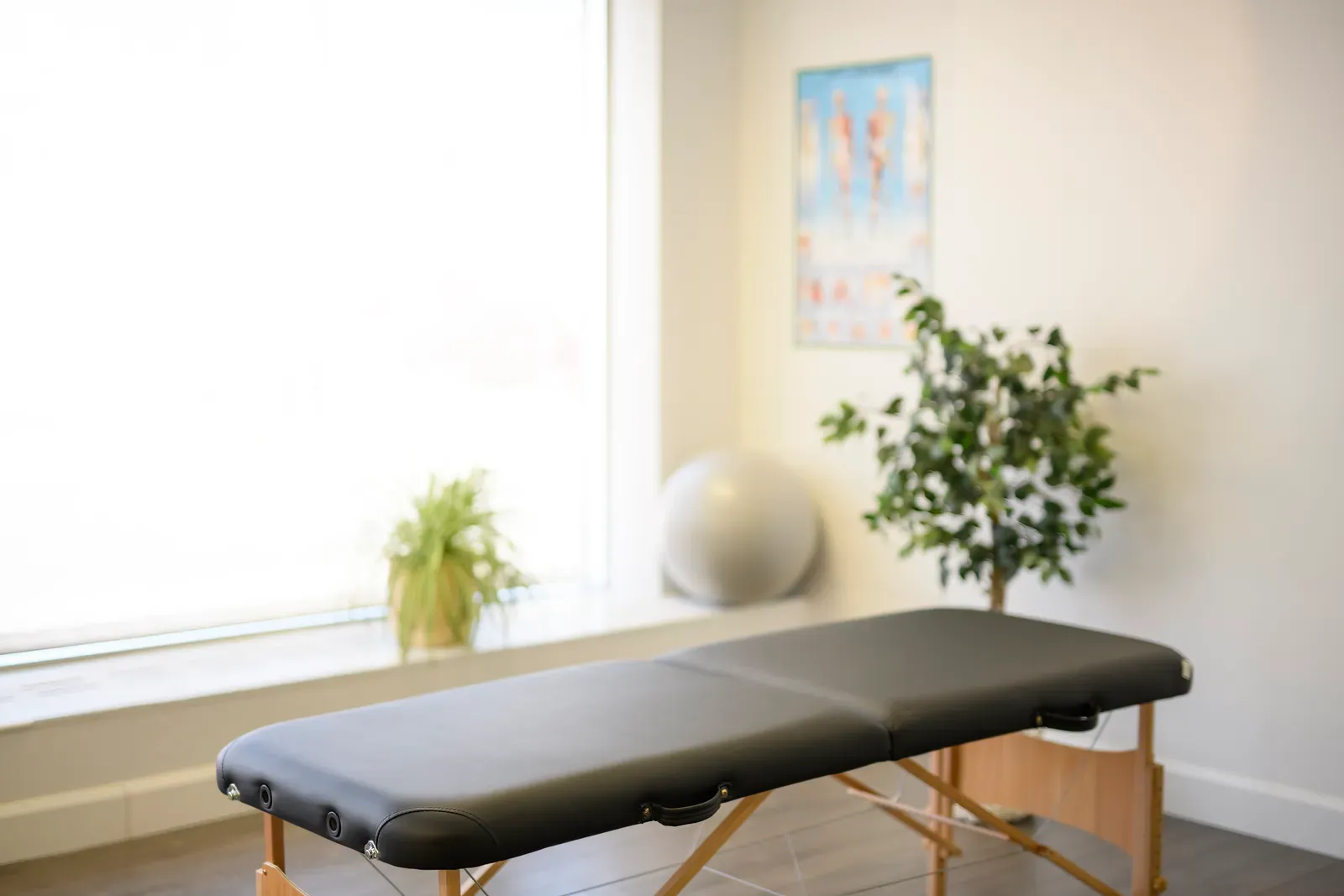
A private treatment room booked by the hour removes the lease, the buildout, and the credentialing wait from the equation entirely, because the model is cash based from day one. The room at FlexWerk rents for $18 to $22 per booked hour, with a table and clinical tools brought in by the therapist each visit. Licensure and scope travel with the clinician regardless of the address, and what the room does and does not include is covered fully in treatment room rental by the hour.
The direct access clock that shapes a cash practice
Indiana lets a physical therapist evaluate and treat a patient without a physician referral for up to 42 calendar days from the start of care, after which a referral is required to continue (IC 25-27-1-2.5). For a room based cash practice, that window shapes the intake conversation from the first visit: a therapist building this model plans the initial evaluation, the treatment arc, and the referral conversation around that 42 day clock rather than discovering it mid-plan of care.
What insurance credentialing actually buys a clinic
The upside a clinic buys with all that credentialing time is real: patients whose insurance covers the visit walk in without weighing the cost of each appointment, and referral relationships with physicians and other clinicians tend to flow toward a credentialed practice more easily than toward a cash-only one. That volume is genuinely hard to replace with a room-based model built on cash pay alone, which is why the decision is not simply which path costs less, it is which patient population and referral network the practice is actually built to serve.
A cash based practice built around a rented room reaches a different patient, typically one who values a longer, uninterrupted appointment and a specific therapist’s time over insurance coverage, and who is often willing to pay out of pocket for that experience. Neither patient population is wrong to build a business around; they are simply different markets with different acquisition paths, and confusing the two while planning a launch is a common early mistake.
A middle path worth knowing about
A therapist does not have to choose the full clinic build on day one to eventually get there. Many start in rented rooms to prove demand and build a caseload and referral base, then use that proof, real patient volume, a track record, and cash flow, to justify a future clinic lease with far less guesswork than a from-scratch launch would carry. The room-based phase becomes market research the traditional path never gets to run cheaply, and the eventual clinic decision rests on real numbers instead of a projection built entirely on hope.
Choosing the model that matches your caseload
A therapist testing demand, building a caseload on the side, or serving a handful of premium cash patients around a main job rarely needs a clinic’s fixed overhead to prove the concept, and the evidence that a full buildout is justified should come from real booked hours, not a hopeful projection. Overflow capacity from an existing clinic can even move into rented rooms on the same hourly terms, which is a lower-risk way to test a second location before signing a lease on one. A full time caseload with heavy equipment needs may eventually justify a clinic’s overhead; the honest move is proving demand in a rented room first and letting the numbers, not the ambition, decide when a lease makes sense.
Related questions
Can a physical therapist bill insurance from a rented room?
That depends entirely on the practice model and the specific payer relationships in place, and the compliance obligations belong to the therapist. Many hourly renters run cash based practices specifically to avoid this question; confirm your own setup with a billing professional.
How long does clinic payer credentialing usually take?
Commonly weeks to a few months, and it varies by payer and by how complete the application is on first submission. A clinic typically pays full overhead for the entire wait before the first insurance dollar arrives.
Is there clinical equipment inside a rented room?
No. The room supplies a private space and loaded strength equipment. Tables, modalities, and any hands on clinical tools are bring your own, exactly as they would need to be in a temporary or satellite setting.