
Lacrosse Strength and Conditioning Space in Carmel
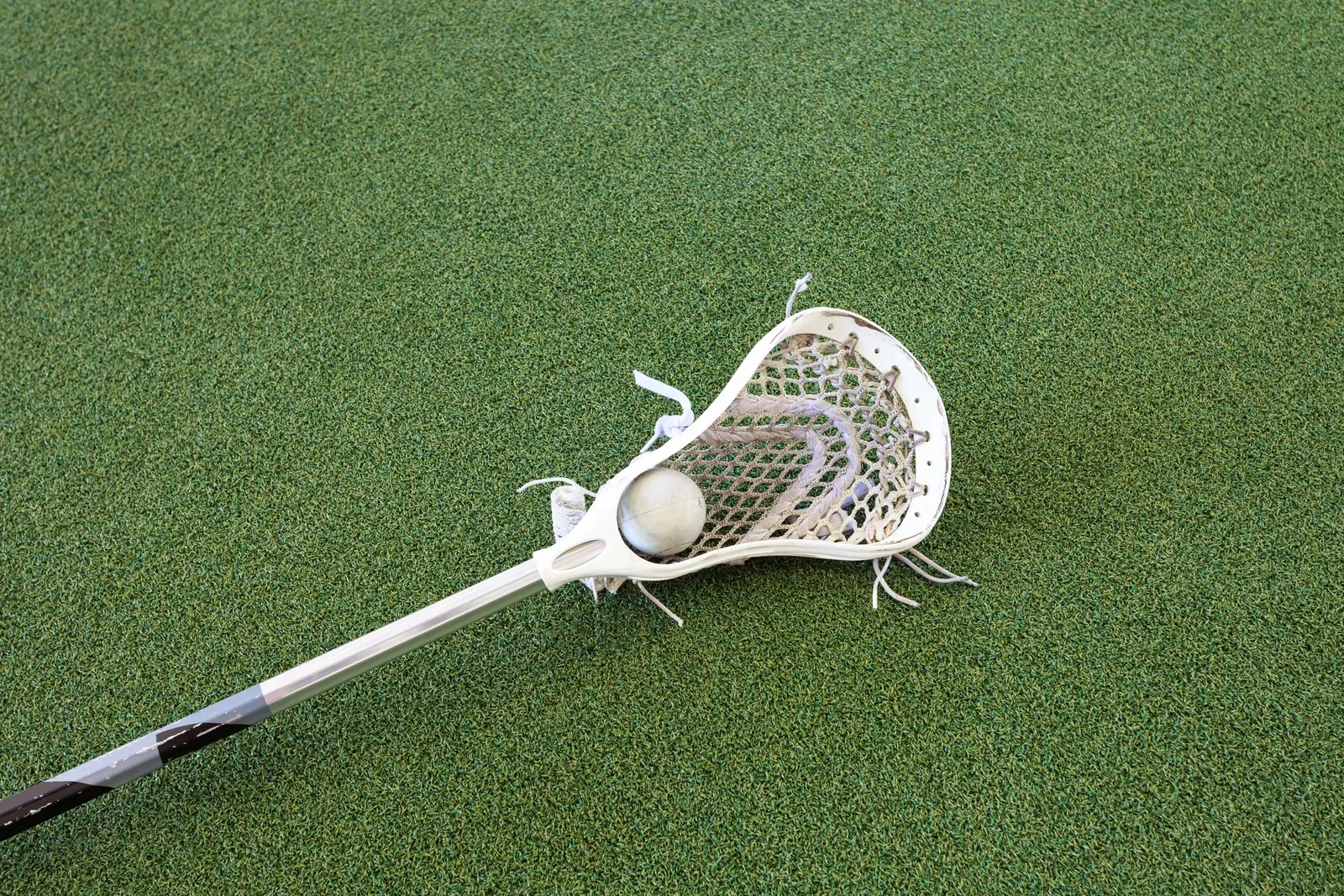
Lacrosse is growing fast in central Indiana, and the athletes driving that growth mostly train for it nowhere at all. FlexWerk at Carmel City Center rents private training spaces by the hour, giving a lacrosse strength and conditioning coach a reserved room for the rotational power, sprint strength, and durability work the sport demands, with no lease and the first hour free. The field teaches stick skills; the room builds the athlete who uses them.
What lacrosse actually asks of an athlete’s body
Lacrosse punishes athletes in three specific ways, and each one is trainable. First, shooting and passing are violent rotational actions, so shot speed lives in the hips and trunk as much as the wrists. Second, the game is repeated sprinting with constant deceleration and change of direction, which is where non-contact lower-body injuries concentrate. Third, it is a contact sport played by athletes who often carry very little general strength into it, especially in the youth and high school years.
A generic team lift touches none of this with any precision. A private strength block does: rotational power through the cable system, sprint-supporting strength through rack work and single-leg loading, and deceleration mechanics coached rep by rep with dumbbells. This page is deliberately about lacrosse; if you develop athletes across many sports, the facility’s sports performance page covers the broader practice.
The Grand Park hook
One of the sport’s largest invitational tournaments runs at Grand Park in neighboring Westfield, and that fact shapes the local market for a lacrosse specialist. The campus covers 400 acres with 31 multipurpose fields and draws around 1.5 million visitors a year, which means the region’s club lacrosse families already treat this corridor as home turf for the sport. The athletes are here, the travel teams are here, and the offseason question every serious family eventually asks is the same: who does your kid lift with?
A coach answering that question from a private room in Carmel City Center sits inside the same ecosystem, at 885 Monon Green Blvd with garage parking a short walk away. Families who spend tournament weekends in this area do not need convincing to drive here on a Tuesday.
Building the weekly block in a private room
A lacrosse strength session maps cleanly onto what is already in the space. A FlexSpace Standard, 150 sq ft for 1 to 2 guests, carries a custom lifting rack, cable system, and dumbbells supporting 850+ exercises; a Plus, 200 sq ft for up to 4, expands that to 1,100+ and fits partner or small-group work. A typical in-season hour:
- Rotational power: cable chops, presses, and rotational pulls at game speeds
- Strength: rack-based lower body work kept heavy but brief in season
- Durability: single-leg loading, hamstring work, and controlled landing progressions
- Review: clips on the room TV, because athletes change faster when they see themselves
Be straight about the boundary: open-field sprinting, wall ball, and stick work stay outside. That honesty builds trust with parents, and it also keeps every room hour dense with the things only a coached room can deliver. Booking runs through the FlexWerk app, and back-to-back scheduling turns an after-school window into a full earning block.
The pair format deserves special attention in this sport, because lacrosse athletes train socially. Two teammates in a Plus room split a premium rate, push each other harder than either trains alone, and hold each other accountable through the offseason; clients of professionals receive free guest access, so the logistics of a second athlete are trivial. Run a simple assessment at the start of each block, jump measures and a strength baseline, and retest every eight weeks: measurable progress is what turns a winter experiment into a year-round engagement, and it gives parents numbers to share with club coaches.
Winter is where the specialist wins
Indiana’s winter hands the indoor coach the whole offseason. The area gets roughly 22 inches of snow a year and January highs around 33 degrees, so from November to March there is no realistic outdoor training and the field-only athlete simply stops developing. That window is exactly when next season’s shot speed and sprint capacity get built, and a private room that fits inside a family’s normal weekly routine beats a garage gym and a cold field every time.
The hours accommodate the age group: Monday to Friday 5 AM to 9 PM and weekends 7 AM to 4 PM, which covers before-school lifts for high schoolers and Sunday morning blocks in the offseason. More than 40 fitness professionals already run their businesses at FlexWerk, so the operational pattern you would be stepping into is well worn.
Concede the tradeoff where it is real: a varsity program with a good team weight room and a qualified staff coach already covers some of this for its roster. Your market is everyone that structure misses, which is most of the sport here: middle schoolers years from a varsity room, club athletes whose season runs opposite the school calendar, and serious players who need individual attention a team lift of forty cannot provide.
The economics of a lacrosse practice
Hourly space keeps a seasonal sport’s cost curve honest. Training spaces run $18 to $22 per hour with no lease or membership, so a winter-heavy calendar costs you money in winter and almost nothing in July, while you keep 100 percent of your session fee. Against Carmel’s premium one-on-one training rates, one room hour per session leaves specialist-grade margin, and Carmel’s median household income north of $140,000 supports specialist pricing for youth development. Current rates are posted on the pricing page.
If you coach lacrosse and you have been running athletes through crowded team facilities or borrowed corners, book the free first hour, bring one midfielder, and run a real rotational power session behind a closed door.
Related questions
Can lacrosse athletes do speed work inside a FlexSpace?
The room owns strength, power, and durability work; open-field sprinting stays on the field. Most coaches pair weekly room sessions with field sessions in season, and shift the balance indoors through the winter.
How many athletes fit in one session?
A FlexSpace Standard hosts 1 to 2 guests and a Plus hosts up to 4, so partner and small-group blocks work well. Clients of professionals receive free guest access, so a parent can sit in at no charge.
What does the room cost?
Training spaces run $18 to $22 per hour through the FlexWerk app, with no lease or membership and your first hour free as a fitness professional. You keep 100 percent of whatever you charge your athletes.