
Private Space for Autism Fitness Specialists in Carmel
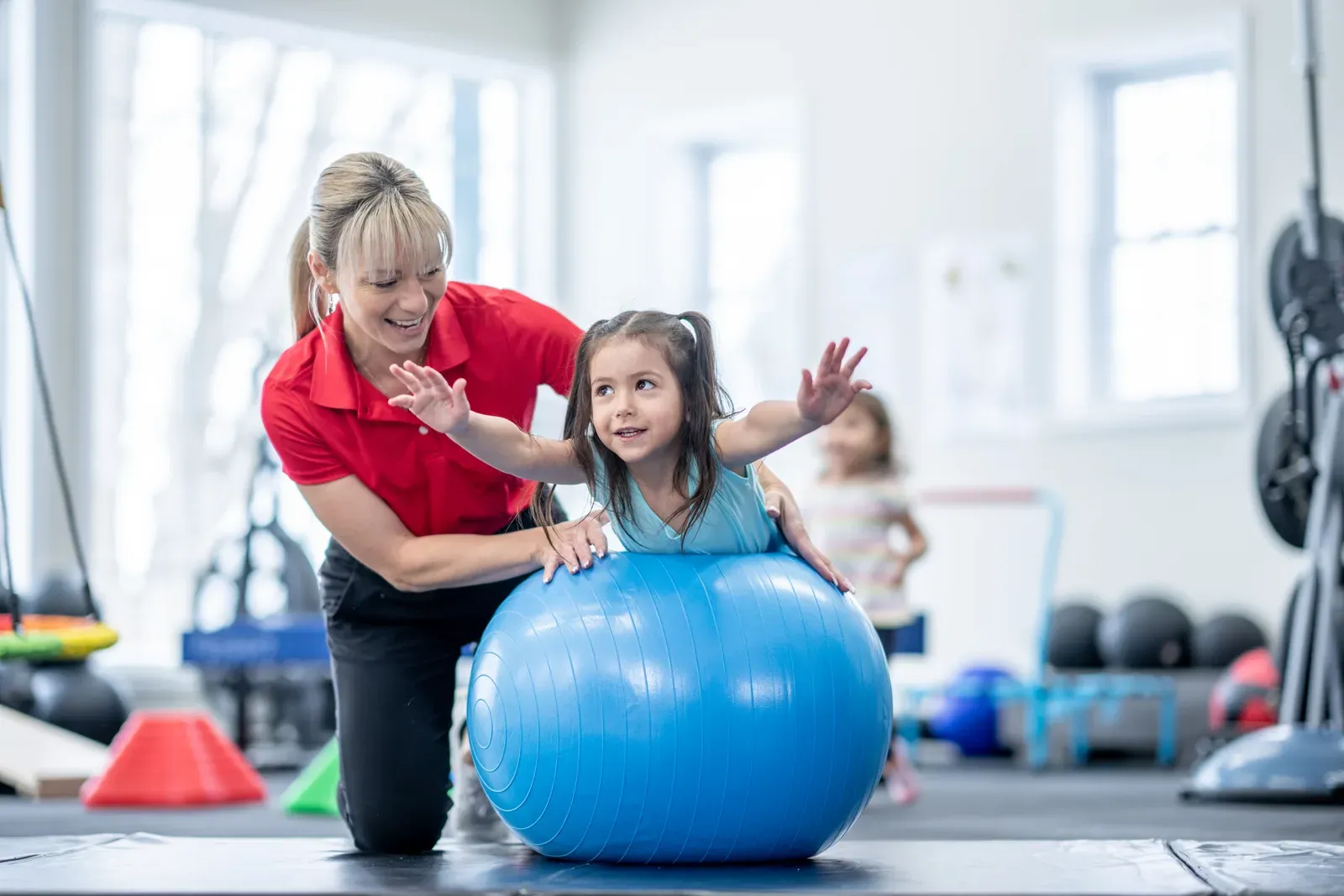
The single biggest variable in autism fitness is not the program. It is the environment, and here is what that means practically: FlexWerk at Carmel City Center rents private, quiet training suites by the hour with lighting and music fully under your control, which lets an autism fitness specialist build a predictable sensory environment no big-box gym can offer, with no lease and the first hour free. When the room stops fighting you, the coaching gets through.
Why the room decides the session
A private, controllable room removes the exact variables that derail sessions for many autistic clients. Big commercial gyms are a sensory worst case: clanging plates, overlapping playlists, fluorescent glare, strangers moving unpredictably in every direction. For an autistic child or adult who processes all of that at full volume, the first thirty minutes of a session can disappear into managing the space rather than moving in it.
In a FlexSpace, the door closes and the variables drop to the ones you choose. You pick the music or turn it off entirely. You set the lighting. Nobody unfamiliar enters mid-session. The layout is the same layout as last week, which makes visual schedules and first-then structures actually hold. Coaches who book a free first hour with a client often report the simplest version of this: the session just starts sooner.
A note on language and posture, because it shapes marketing as much as coaching: your clients are autistic people with goals, not problems to be managed or feel-good stories to be filmed. Families in this niche can spot inspiration-flavored marketing instantly, and they trust professionals who talk about strength, skill, and independence in plain terms.
Who your clients are, and what sessions look like
Your caseload will usually be autistic children, teens, and adults referred by word of mouth among parents, plus adults seeking a gym experience that respects how they process the world. Hamilton County’s youth-activity culture is enormous, and organizations like Carmel Dads’ Club with its 15,000+ annual participants show how deeply families here invest in kids’ physical development. Autistic kids deserve the same investment and are chronically underserved by the mainstream options, which is precisely the gap a specialist fills.
Sessions themselves tend to be structured, repeatable, and skill-focused:
- Motor foundations: squatting, crawling, jumping, catching, climbing patterns, built through consistent routines rather than novelty for its own sake.
- Strength basics on the rack, cables, and dumbbells, scaled to age and regulation, often the first “real gym” experience a teen client has ever had on their own terms.
- Regulation woven in: predictable session order, movement breaks, and clear transitions, with the room itself doing half the regulatory work.
- Independence goals: following a simple written or visual workout with fading prompts, a skill that transfers to a lifetime of self-directed exercise.
Any specialty sensory tools you use are bring-your-own, and one clear line applies: practice within your licensure and scope; FlexWerk provides the private space, not clinical oversight or medical equipment. Fitness goals are yours to coach. Therapeutic and behavioral goals belong to the client’s family and care team, and specialists who hold that line are the ones OTs, SLPs, and behavior professionals confidently refer to.
What you are probably using now, and why it leaks value
Most autism fitness specialists cobble together spaces that all fail in a signature way. Big-box guest passes put your client in the least regulating environment in town and hand the gym a cut of your rate. Home sessions surrender the environment to siblings, pets, and the living room TV, and cap equipment at what you carry. Renting time in a clinic keeps the clinical feel many families are actively trying to move beyond, and school gyms are cavernous, echoing, and never yours on a reliable schedule.
The hourly private suite model fixes the structural problem underneath all of those: you get a professional, consistent, sensory-manageable room, but you only pay for the hours you book. No lease, no membership, no fixed monthly rent that punishes a light week, which matters in a niche where client schedules bend around therapy blocks and school calendars. Booking runs through the FlexWerk app, suites are available from 5 AM to 9 PM on weekdays and 7 AM to 4 PM on weekends, and more than 40 professionals already run their books at FlexWerk Carmel.
The economics of doing this as a real business
Specialist scarcity supports premium, sustainable pricing in this niche. Carmel personal training commonly runs $40-70 per hour at the big-box tier and roughly $75-125 or more at the premium private tier; a credentialed autism fitness specialist in a private setting belongs in the upper band, and families routinely pay it because the alternative is a mainstream option that does not work at any price. Retention is the quiet engine: when a family finds a coach their kid trusts, they stay for years, refer other families, and fill your calendar in a way cold marketing never will. Since you keep 100% of what you charge and pay only for booked hours, a focused caseload of weekly and twice-weekly clients becomes a genuinely durable business. If you are still shaping that niche positioning, how to niche down as a trainer walks through the specialist math.
The honest next step is the same one you would give a hesitant family: come see the room. Book the free first hour, run one session in a space you fully control, and watch what changes.
Related questions
Why does a private suite matter so much for autism fitness?
Sensory load is often the difference between a productive session and a lost one. A private suite removes crowds, strangers, and unpredictable noise, and puts lighting and music under your control, so you can build the exact environment each client regulates best in.
Can parents or a support person stay in the room?
Yes. Clients of trainers receive free guest access, and suites hold one to two guests in a Standard or up to four in a Plus, which comfortably covers a client plus a parent or aide.
Does FlexWerk provide any clinical oversight or therapy services?
No. FlexWerk provides the private space only. You practice within your own certification, licensure, and scope, and any therapeutic goals stay between your client, their family, and their care team.