
Can I Train Clients in a Public Park in Carmel Instead?
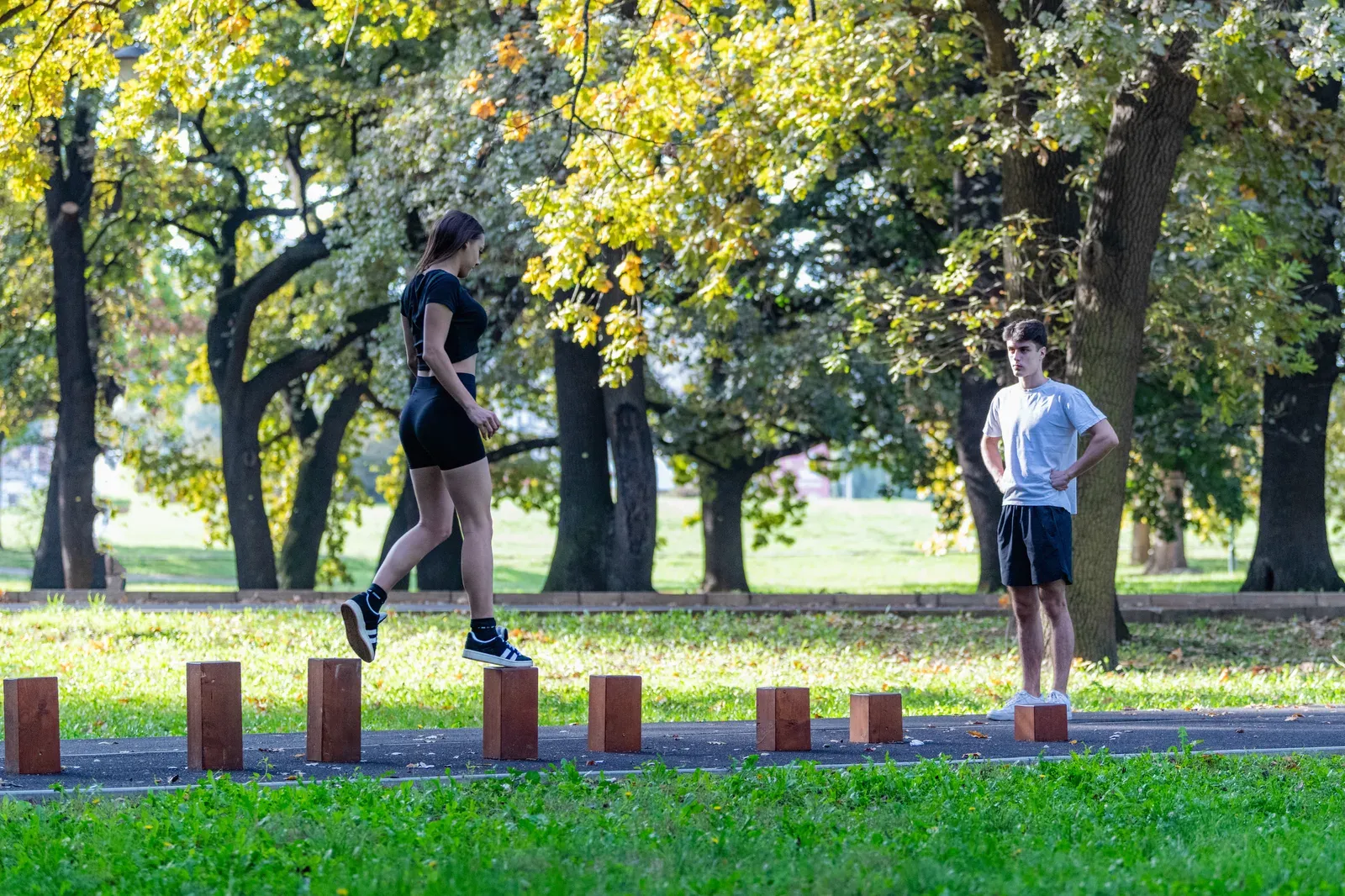
You can train clients outdoors in Carmel, but running a business in a public park is not the same as working out in one. Commercial use of parks is typically permit-regulated, so your first stop is Carmel Clay Parks & Recreation for current rules, fees, and insurance requirements. And even with permission in hand, the model carries structural limits, weather, equipment, privacy, and pricing, that deserve an honest look before you build a business on grass.
The permission question comes first
Park systems commonly draw a hard line between personal recreation and commercial activity. Training paying clients is commerce, and conducting it on public grounds typically requires a permit, often with fees and proof of liability insurance attached. Policies differ by park, change over time, and are enforced unevenly, which is exactly why “other trainers seem to do it” is not a plan. One direct conversation with Carmel Clay Parks & Recreation settles what’s allowed, where, and at what cost.
Two more realities worth naming: popular spots, and the Monon corridor is heavily used, put you in competition with the general public for space you don’t control, and a permit grants access, not exclusivity. Your 6 AM boot camp may share its field with a youth soccer practice. (The adjacent question of running sessions from your own property has its own rules, see training clients in a home garage.)
What park training genuinely does well
Fairness first, the outdoor model has real strengths:
- Minimal cost of entry. Permit and insurance aside, there’s no rent and no buildout. For a trainer testing whether anyone will pay them at all, that’s meaningful.
- The outdoors sells itself in season. Plenty of clients love fresh-air sessions in May, and a park workout can feel like a lifestyle upgrade rather than a chore.
- Group formats fit. Boot camps and small groups suit open green space better than most indoor rooms, it’s the format the environment was made for.
- Built-in visibility. Coaching in public is marketing; passersby see your work in a way no private room allows.
If your model is seasonal group training with low prices and high volume, parks can genuinely carry it, with permission secured.
Where the model breaks down
The limits are structural, not fixable with effort:
- Indiana weather owns your calendar. A serious slice of the year is too cold, too wet, or too stormy for quality outdoor sessions. Every cancellation is unearned revenue and broken client momentum, and momentum, once broken, is the leading cause of quiet client attrition.
- Your equipment is what you can carry. Progressive strength training eventually needs loads and stations a trunk can’t hold. Programming bends around the gear, instead of the gear serving the program.
- Privacy is zero. Beginners, self-conscious clients, and professionals who’d rather not perform lunges for an audience simply won’t train in public, you’re filtering out some of the market’s best long-term clients.
- The setting caps the rate. Pricing follows environment. In the Carmel market, sessions at the big-box and community tier typically run $40 to 70, while private premium settings commonly support $75 to 125+. A public field, whatever your skill, reads as the lower tier, and charges like it.
The hybrid that actually works
The trainers who make the outdoors last don’t choose between park and building, they sequence them. Outdoor sessions and group formats run in the generous months; one-on-one work, bad-weather days, and the entire off-season anchor in private indoor space. Clients get variety without ever getting a cancellation text.
Clients feel the difference more than they articulate it. Consistency is the quiet product a trainer sells, same coach, same slot, every week, regardless of radar, and the hybrid preserves it where a pure outdoor model can’t. The economics of the anchor matter too: a lease would force you to pay year-round for space you need unevenly, which is why hourly rental fits the hybrid so naturally, indoor cost only exists in the hours you book. A FlexSpace at Carmel City Center puts that anchor steps from the Monon Trail with garage parking a short walk away, and inside the suite the equipment gap disappears: a custom lifting rack, cable system, and dumbbells supporting 850+ exercises in a Standard suite, up to four guests in a Plus, with your own music, lighting, and a door that closes. The same client who met you on the trail in June trains with you in a premium private room in January, one coach, no seasonal cliff.
Compare the true costs, not the sticker
Run the honest ledger before deciding. The park’s column: permit fees, insurance the park system may require, the equipment you buy and haul, sessions lost to weather, the clients filtered out by zero privacy, and the ceiling on your rate. The suite’s column: a known per-hour cost that scales with your bookings, details on the pricing page, with equipment, climate, and premium positioning included.
For many trainers the answer is genuinely “both, in season.” But build the business on the part of the model you control. The easiest way to weigh it is to feel the difference yourself: the first hour in a suite is free, run one session indoors and one on the trail, and let your calendar math and your clients tell you where the anchor belongs.
Related questions
Do I need a permit to train clients in Carmel parks?
Commercial activity in public parks is typically permit-regulated, so assume yes until Carmel Clay Parks & Recreation tells you otherwise. Rules, fees, and insurance requirements change, so verify current policy directly before building a schedule around it.
Is park training free once I have a permit?
Cheaper than most options, but not free: permit fees, insurance a park system may require, equipment you buy and haul, and the revenue lost to weather cancellations are all real costs.
What do most outdoor trainers do in an Indiana winter?
They move indoors or lose momentum. The common solution is a hybrid: outdoor sessions in the good months with an indoor private-space anchor, so the business never depends on the forecast.