
Sports Massage Therapist Working From a Gym Building
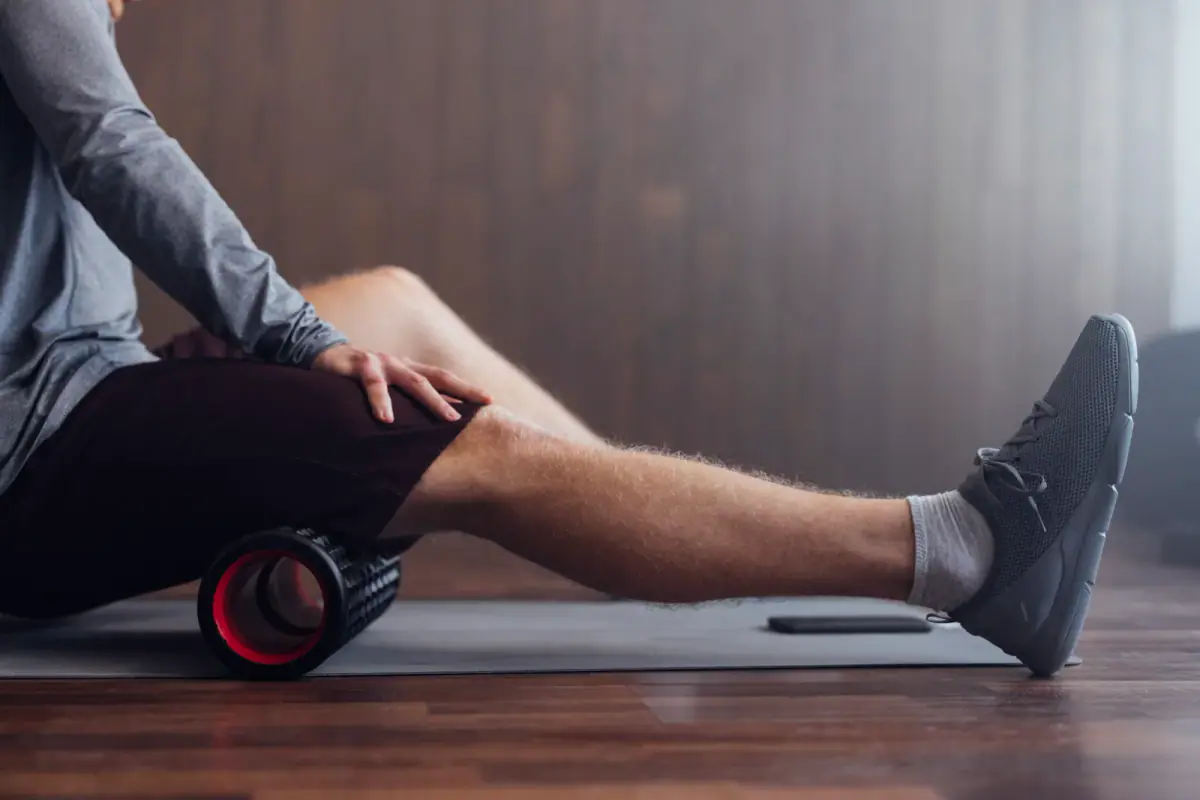
A sports massage therapist who works from a gym building gets a ready supply of active clients and a referral loop with coaches, as long as the therapist stays inside massage scope and sends injuries to physicians. The building matters more than the decor: people who train are already thinking about recovery. A private space for your practice lets you book only the hours you have clients and bring your own table.
Three kinds of sessions that fit
Sports massage is not one service. Sort your menu by timing.
- Pre-event. Short work before a race, match or heavy training block, often lighter and faster-paced.
- Post-session. Soft tissue work after a hard training day, timed to the client’s schedule.
- Maintenance. Regular work through a training season to keep an active body comfortable.
Each has a different length, pace and price. Name them plainly on your booking page so clients choose by timing, not by guesswork.
Where the traffic comes from
More than 40 fitness professionals run their businesses at FlexWerk Carmel, and they average about 24 sessions a week. That is a lot of clients who lift, run and ask their coaches about soreness. Local events add demand: the Indy Mini on Saturday, May 8, 2027, Carmel Marathon Weekend in mid-April 2027, and the Monumental Marathon on Saturday, November 7, 2026, all produce clients who want work before or after race day.
A coach who sends a client your way gets a happier athlete and no new scope to worry about. You get a warm referral. Neither of you should pay for it unless your agreements and Indiana rules permit, so read the referral fees guide before you offer anything.
How to approach coaches
Keep the pitch short:
- Offer a free or discounted trial session to the coach themselves.
- Share a one-page summary: what you do, what you do not do, and when you refer out.
- Ask which clients tend to be sore or tight and when.
- Agree on a simple handoff, such as a text before the session, so you know the training plan.
- Report back, within privacy limits and with client permission.
Scope and referrals
Massage licensure sets what you may do, and Indiana law defines massage therapy in its own code. Pain that follows an injury, numbness or swelling belongs with a physician or physical therapist, not on a massage table. Say so in your intake, and be ready to explain it without alarm. The recovery sessions page draws the same line from the trainer’s side.
Running the business hours
Rooms at Carmel City Center book by the hour through the app, with no lease and no membership, and a fitness professional’s first booked hour is free. Hours run Monday to Friday 5 AM to 9 PM and Saturday and Sunday 7 AM to 4 PM, which suits early-morning athletes and weekend race prep. Each therapist sets their own fees and keeps what they charge. For the math against fixed booth rent, see rent versus commission, and for room logistics use the table setup checklist.
What to try first
Book one trial hour, bring your table, and invite one coach and one regular client. Note how long setup takes, how quiet the room is and how clients react to a training-facility address. Then decide whether to build a recurring evening block.
Related questions
Is sports massage a different license from regular massage?
Sports massage is a specialty approach under the same massage license rather than a separate one, in general. Check with the Indiana Professional Licensing Agency for how your own scope is defined.
Can I treat injuries?
Injury diagnosis and treatment belong to physicians and other licensed clinicians. A massage therapist works within massage scope and refers pain or injury concerns out.
How do I get referrals from coaches?
Offer a short trial to the coach, share what you do and do not do, and make referring easy. Trust builds when coaches see clients leave in better shape.