
Massage Table Setup in a Gym Suite: A Checklist
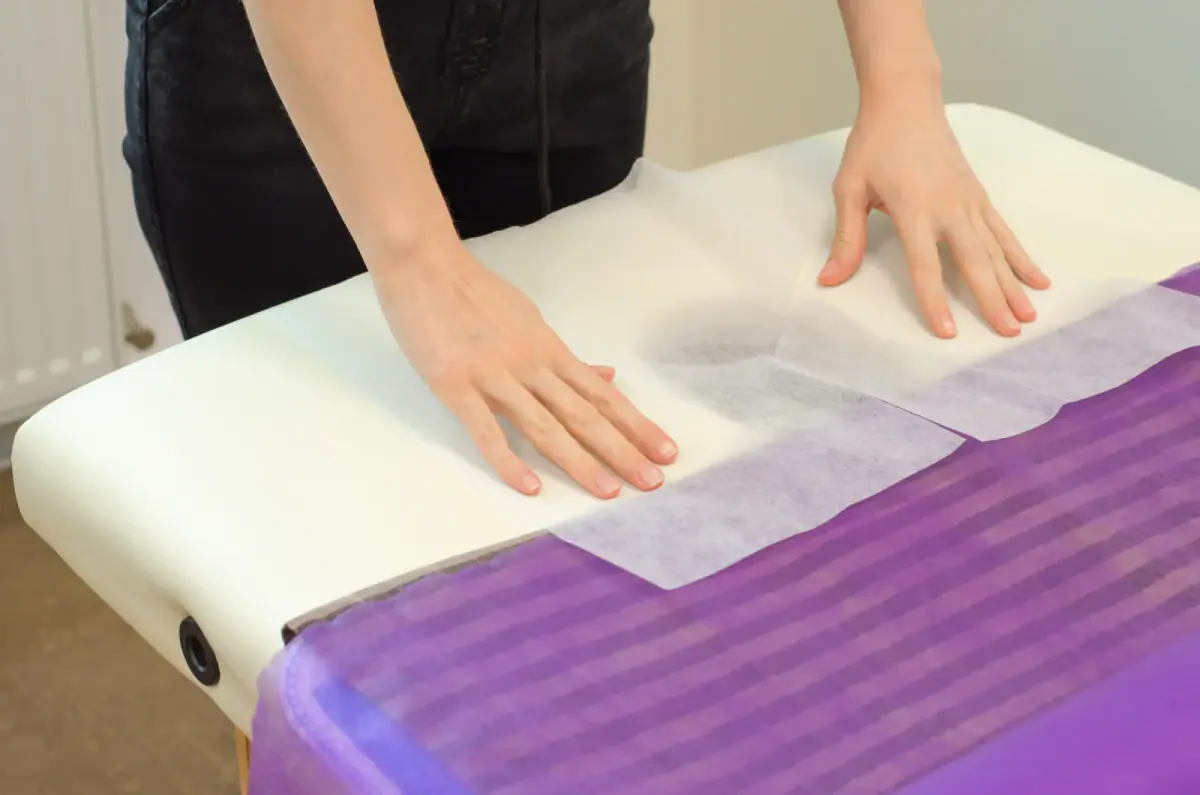
Setting up a massage table in a gym suite takes about ten minutes when you run a fixed checklist: measure the floor, pick the table spot, check power and light, lay out bolsters and linens, then reset the room. A training space is finished, private and flexible, which suits portable-table work better than most people expect. Start by reviewing space built for independent practices and then use the steps below as your standard load-in routine.
Before you arrive: pack a repeatable kit
Build a two-trip kit and keep it packed. Typical contents:
- Portable table, face cradle and carrying case.
- Sheets, face cradle cover, blanket and a spare set.
- Bolsters, pillows and a small stool.
- Your oils or lotions and a dispenser, if your practice uses them.
- A speaker or your own playlist.
- A small bag for used items, wipes and a disinfectant you trust.
- A printed intake form and a pen, or a tablet.
Storing the kit by the door at home or in your car cuts load-in time. Dedicated on-site storage should not be assumed, so pack for the booking in front of you and confirm what the facility offers.
The ten-minute room checklist
- Walk the room. Look at the floor, outlets, doors and the route from entry to table spot.
- Pick the table spot. A standard portable table is commonly around six feet long, plus room for a therapist to walk fully around it. Rooms of 150 to 200 square feet give you that with space to spare once equipment is moved aside.
- Move equipment out of the way. Clear dumbbells, benches or cables from your work zone, then put them back as you found them.
- Set the table height and lock the legs. Test it with your own weight before a client does.
- Check power. Plan on a heating pad, a warmer or a speaker, and confirm where outlets are before relying on them.
- Set the lighting. Each space has lighting you control, so dim it to a level that feels calm but lets you read the client’s body language.
- Dress the table. Lay sheets, bolsters and blankets in the order you use them.
- Cue the sound. The room has music streaming and WiFi, but many therapists prefer their own playlist at low volume.
- Place wipes, tissues and a water glass within reach of both of you.
- Do a quiet last scan. Door closed, phone silenced, everything within arm’s reach.
Floor, power and light: what to confirm
| Item | What to check | Why it matters |
|---|---|---|
| Floor | Flat, clear, enough room to circle the table | Prevents tripping and awkward reaching |
| Power | Outlet near the table spot | Heating pad, warmer or diffuser needs |
| Light | Dimmable, no glare on the client’s face | Comfort and professional feel |
| Noise | Music or rooms nearby | Clients relax better in a quiet room |
Outlet locations and any rules about electric warmers or fragrance differ between facilities, so ask the pro support team, prosupport@flexwerkfitness.com, before your first session, then note the answer in your kit sheet.
Bolster and positioning checks
Test three positions during your first visit with a friend or colleague: face-down, face-up and side-lying. Make sure bolsters fit, the face cradle sits right and the table stays steady. Sports-focused practices should also check the space around the table for stretching or movement work, which is why training rooms are a good fit, as covered in recovery sessions for trainers.
Tear-down and reset
Strip sheets, wipe the table and any touched surfaces, return equipment to where you found it and take everything you brought. The room is cleaned and reset before you arrive, so leaving it tidy for the next person is simple good manners. For what that means in practice, see are rented gym spaces clean.
Pricing the room into your appointment
Rooms rent by the hour from $18 with no lease, and the first hour is free for fitness professionals, so a trial hour costs you nothing but your kit. The rent versus commission math shows how to compare that with fixed booth rent. After one trial, turn your notes into a one-page setup sheet and time yourself.
Related questions
Do I have to bring my own massage table?
Treatment tables are specialty equipment, so visiting therapists typically bring their own. Ask the facility team how they handle tables and where your gear can wait between bookings.
How early should I arrive to set up?
Plan on the ten minutes this checklist takes, plus a few more the first time. If the room is booked by the hour, build setup into the booked time or arrange access ahead of it.
Can I use the equipment in the room as part of a session?
Often, yes, for movement work before or after table time. Ask what is allowed so your plan fits the room's house rules.