
Insuring Your Own Equipment Stored Off Site
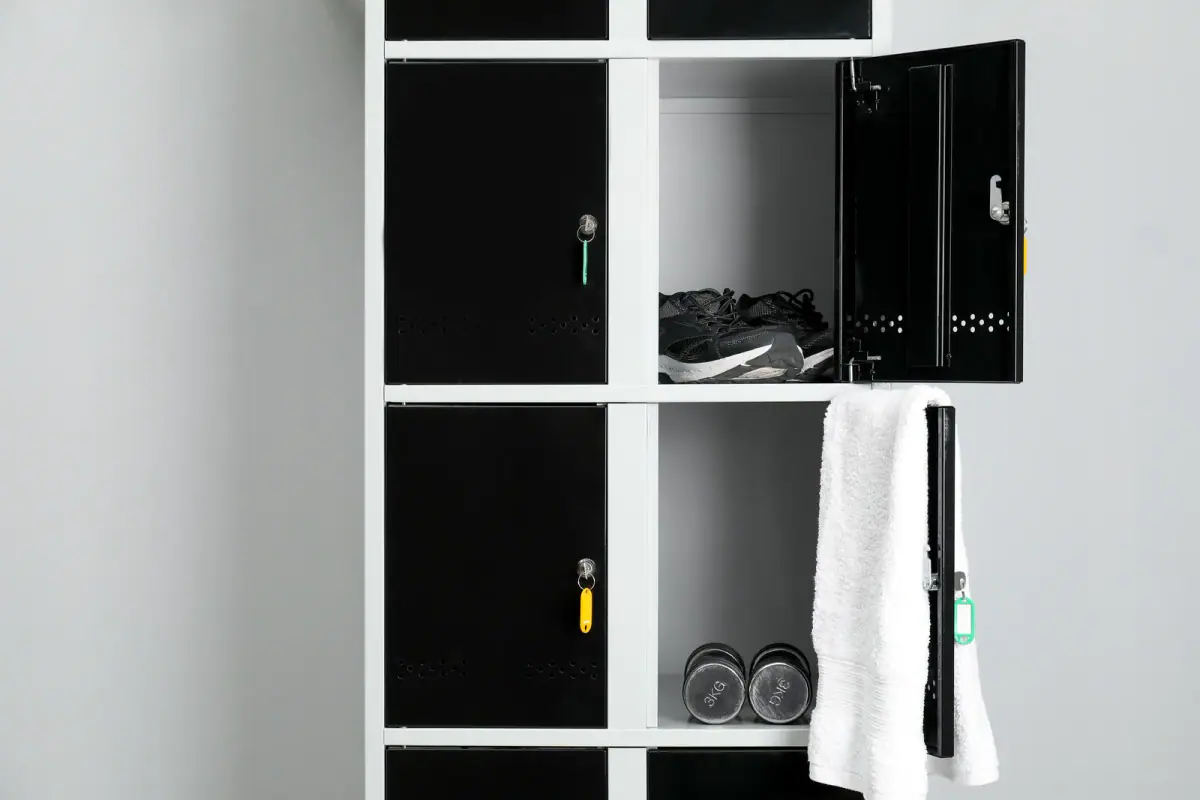
A facility’s insurance usually does not cover your own equipment stored there, so you should assume your gear is uninsured off site until a policy or an agreement says otherwise. A small equipment rider or floater, often called inland marine coverage, is the common way independent trainers protect portable gear away from home. Before you leave anything at a space, get the answer in writing; and if you can, use a fully equipped room so you do not need to leave anything. See get started to try one free.
What the rule says
This question is governed by contracts and insurance policies, not by a specific statute that this page cites. The facility’s agreement says who is responsible for items left on site, and your own policy says what property it covers and where. Because we have not cited a code section, check the actual wording with your insurance agent or an attorney. This is general information, not legal or insurance advice, and policies and rules change.
Why the facility’s policy rarely helps
A building or facility policy typically covers:
- The structure and its own contents.
- Liability for incidents on its premises, subject to terms and exclusions.
It often does not cover property that belongs to a renter, and many agreements say so. If a pipe bursts, someone breaks in or equipment is damaged, you may be on your own. The page on storing equipment at a rented gym space explains why storage is rarely included in the first place.
What a small rider or floater does
An inland marine style rider or equipment floater commonly covers movable business property such as portable equipment and tools. Typical features, which vary by insurer:
- Coverage that follows the equipment, including off premises or in transit.
- Coverage for theft, damage or loss, subject to exclusions.
- A schedule listing items, or a blanket limit for a kit.
- A deductible, which affects what you recover.
Ask your agent whether a rider on your existing business policy or a separate equipment policy fits. Our overview of insurance for renting gym space covers the general-liability side.
A checklist to use before you store anything
- List each item and its replacement cost.
- Ask the facility, in writing, who is responsible for stored items.
- Ask your insurer whether your policy covers equipment at a location other than your own.
- Check exclusions for theft without forced entry and for property in a shared space.
- Photograph and document your equipment, with serial numbers where they exist.
- Decide if the premium is worth it compared with replacing the gear.
If this, then that
- If you carry a small kit in your car, ask about transit coverage.
- If you leave a few light items in a closet, check whether the agreement allows it and who covers them.
- If you own expensive gear, schedule it individually.
- If you only need a rack, cables and dumbbells, use a room that provides them.
The simplest option
Many trainers sidestep the problem by carrying only a small bag. Every FlexSpace at Carmel City Center includes a custom lifting rack, a cable system and dumbbells, so there is less to store, and a certificate of insurance is the document that matters most; see certificates of insurance for gym rental. Ask the pro support team about storage questions for the space you plan to use.
Total your kit’s replacement cost this week. That number tells you whether a rider is worth buying.
Related questions
Does the facility's policy cover my stored equipment?
Usually not. A facility's property coverage typically protects its own building and contents, and your gear is often excluded unless the agreement or policy says otherwise. Ask in writing.
What is an inland marine rider?
It is an add-on or separate policy that commonly covers movable business equipment, including while it is away from your home or in transit. Terms and exclusions vary, so read the policy.
Do I need coverage for a few light items?
It depends on the replacement cost and how much you rely on them. Add up what it would cost to replace your kit and compare that with the coverage price.