
How Much Should an Independent Massage Therapist Charge?
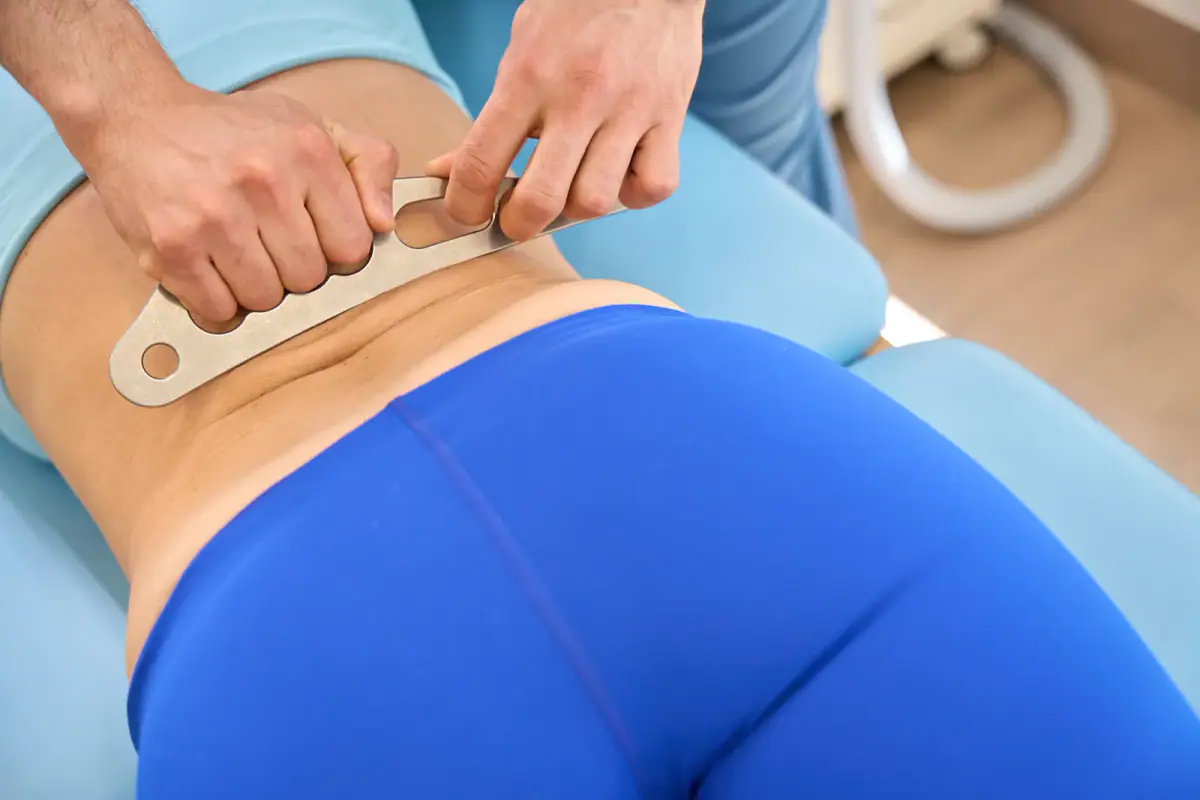
An independent massage therapist should set a price by adding room cost, supplies, unbillable minutes and target pay for each appointment length, rather than copying a spa menu. With a rented room by the hour, the room cost is easy to isolate, which makes the math cleaner than most booth arrangements. If you want a room that bills only when you book it, start with space for your practice and use the steps below.
The cost stack for one appointment
Every appointment carries costs beyond the minutes on the table. List them:
- Room. Hourly rent for the time you hold the room. Spaces at FlexWerk start at $18 an hour, and a fitness professional’s first booked hour is free.
- Supplies. Oils or lotions, laundry or sheet service, wipes and disposables, averaged per appointment.
- Unbillable minutes. Setup, tear-down, intake notes and the gap before the next client.
- Insurance and licensing. Annual costs divided by appointments per year.
- Software and marketing. Booking tools, payment fees and ads, again divided across appointments.
- Taxes. Self-employment tax and income tax, which come out of what you keep.
Add them, then add your target pay for the hour. That is your floor. No public rate range for massage in this area was verified for this page, so avoid copying numbers and work from yours.
A worked structure for 60 and 90 minutes
Use a table you can fill in with your own figures.
| Line | 60 minute | 90 minute |
|---|---|---|
| Room time held | 1 hour plus buffer | 1.5 hours plus buffer |
| Room cost | rent x hours | rent x hours |
| Supplies | per appointment | slightly higher |
| Unbillable time | setup plus notes | same setup, so a smaller share |
| Target pay | your hourly goal x time | your hourly goal x time |
| Floor price | sum of lines | sum of lines |
Because setup and notes do not double with a longer slot, the longer service usually carries a lower cost per minute. Many therapists pass part of that saving to the client, which also nudges people toward the longer, more profitable block.
Hourly rent versus commission
A commission model takes a share of every appointment, so a rate increase mostly benefits the facility. With an hourly room and no commission, a higher price raises your margin directly. The rent versus commission math shows the breakeven in detail, and the split calculator lets you test your own inputs. Trainers and therapists keep 100 percent of what they charge at FlexWerk, and each sets their own terms.
Position the price
Price communicates what you offer. A specialty, a niche clientele and a clean booking experience support a higher rate than a generic menu. Common positioning anchors include athlete recovery, desk-body maintenance and pre-event work. Explain what the client gets: length, focus and what they should expect afterward. Avoid promising outcomes or medical benefits.
Check your margin
After a month, compare the plan with reality. Count appointments, room hours, supplies and cancellations, then compute margin per hour. The same logic appears in the trainer profit margin guide. If margin falls short, adjust in this order: reduce unbillable gaps, raise the price, then trim supplies. Discounting should be the last lever, not the first.
Raise rates on a schedule
Set a yearly review date and a notice period. Existing clients can keep their rate through a stated end date, while new clients see the new price. A short note works: what is changing, when and why. Keep your price sheet to three lines and a set of cancellation rules. Then book a trial hour at Carmel City Center and test the numbers with a real appointment before you commit.
Related questions
Should I copy the rate a nearby spa charges?
Use it as one data point, not the answer. A spa's price carries its overhead and brand, while yours should reflect your costs, your skills and the clients you want.
Should 90 minutes cost 1.5 times the 60 minute price?
Often a bit less per minute, because you save on setup and turnover, but the choice is yours. Make sure the longer slot still clears your target pay for the hour.
How do I raise my rate without losing clients?
Give notice in advance, explain the change briefly and honor current bookings. Most clients who value the work accept a small, well-communicated increase.