
How Much to Charge for Partner Training Sessions
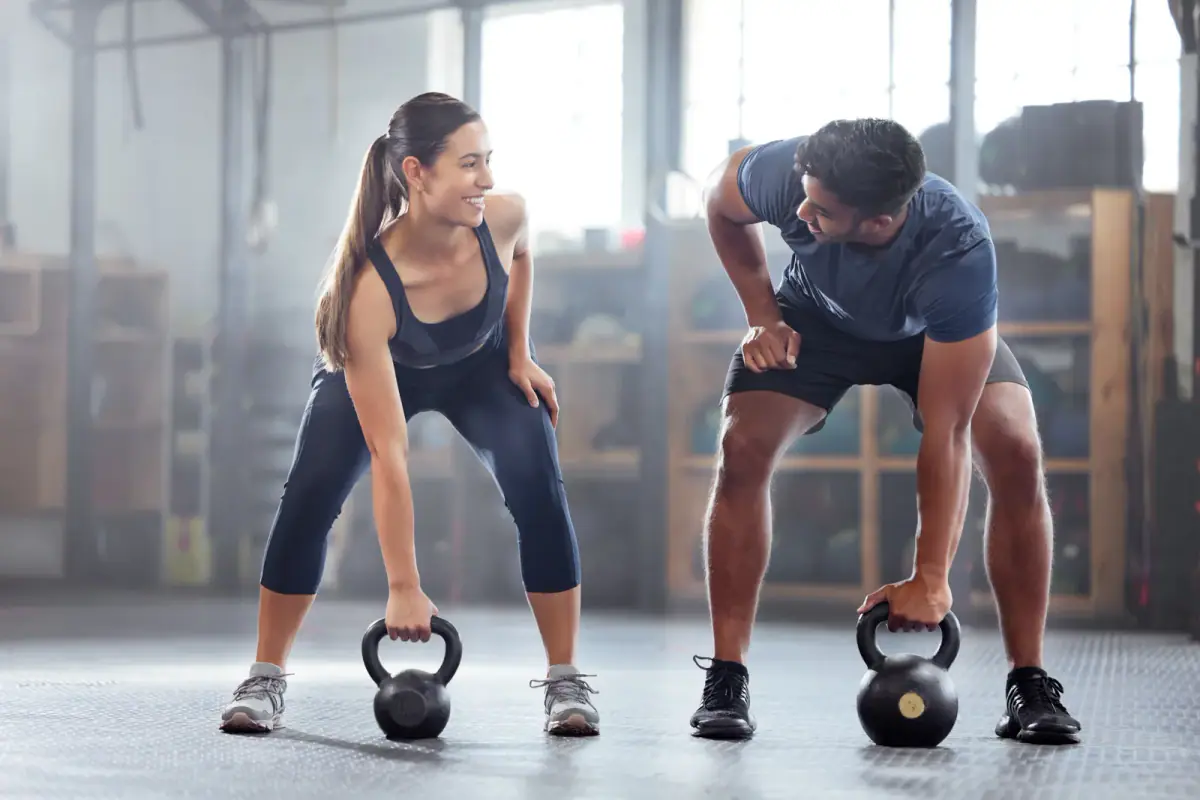
Charge each partner roughly 60 to 75 percent of your solo rate, which makes a pair earn 120 to 150 percent of one client for the same hour. The discount per person rewards the pair for sharing, while the total pays you for the extra coaching attention.
The math in a table
Illustrative solo rate of $100. Replace it with yours.
| Each partner pays | Pair total | Versus solo | Comment |
|---|---|---|---|
| 50 percent ($50) | $100 | Equal | More work, no gain |
| 60 percent ($60) | $120 | Plus 20 percent | Floor to consider |
| 70 percent ($70) | $140 | Plus 40 percent | Common middle |
| 75 percent ($75) | $150 | Plus 50 percent | Strong for a premium offer |
Half each is the trap. You coach two people, program for two bodies and manage two schedules, and you earn the same as one client.
Why the pair costs you more effort
Two people means two warm ups, two sets of loads, two sets of questions and double the social energy. Partners are also sometimes at different levels, which means you manage progressions side by side. That extra work is what the premium above the solo rate pays for.
Billing each person
Give each partner a separate invoice or package. If one pauses, you adjust that account only. If they are a couple, they will often prefer one payment; you can still track sessions per person. Billing semi-private clients individually explains the principle for larger groups, and it applies here too.
What happens when one partner cancels
Decide in advance. A fair rule: the session runs for the remaining partner at the partner rate, or converts to a solo session at the solo rate if the partner agrees. Write the choice into the agreement so you are not improvising on the day.
The room
Two clients fit inside a Standard room, which holds one or two guests, with equipment for 850 or more exercises. Hourly rooms at FlexWerk run $18 to $22, and clients of trainers enter as free guests, so adding a second person adds nothing to your room cost. That is where the economics improve: the revenue rises while the room bill stays flat. For layout and programming for pairs, the couples training room guide walks through a Plus room, and the same ideas apply to a smaller space.
Packages for pairs
Offer pairs a joint package with separate balances: ten sessions each, sold together, tracked per person. If one partner leaves, the other keeps their balance, and you can offer to convert unused sessions to the partner rate with a new partner or solo sessions at the solo rate. Simple rules like these prevent the awkward conversation when life changes.
Keep scheduling simple too. A standing weekly slot works better for pairs than flexible booking, because two calendars are harder to align than one.
Pricing for mismatched partners
When one partner is far stronger than the other, you will still do two programs inside one session. That is fine, but quote the pair at the higher end of the range, 70 to 75 percent each, because the planning load is greater. Mention it in the offer so the price feels explained.
Who partner training fits
Couples, friends, parent and adult child, coworkers. Confirm that both want the same goal; mismatched goals make a session feel like two solo sessions with talking in between.
Test it in a free hour: book your first hour and bring two friendly volunteers.
Related questions
Should partner sessions cost half the solo rate each?
No, half each equals your solo income for more work. Charging each person somewhere between 60 and 75 percent of the solo rate is a common middle, so the pair earns more than one client.
Do both partners pay the same?
Usually yes, and billing each person separately keeps things clean if one pauses or leaves.
Does a partner session need a bigger room?
Two people fit comfortably in a Standard room, which holds one or two guests. Larger groups need the Plus room.