
Home Studio vs Rented Private Suite for Training Clients
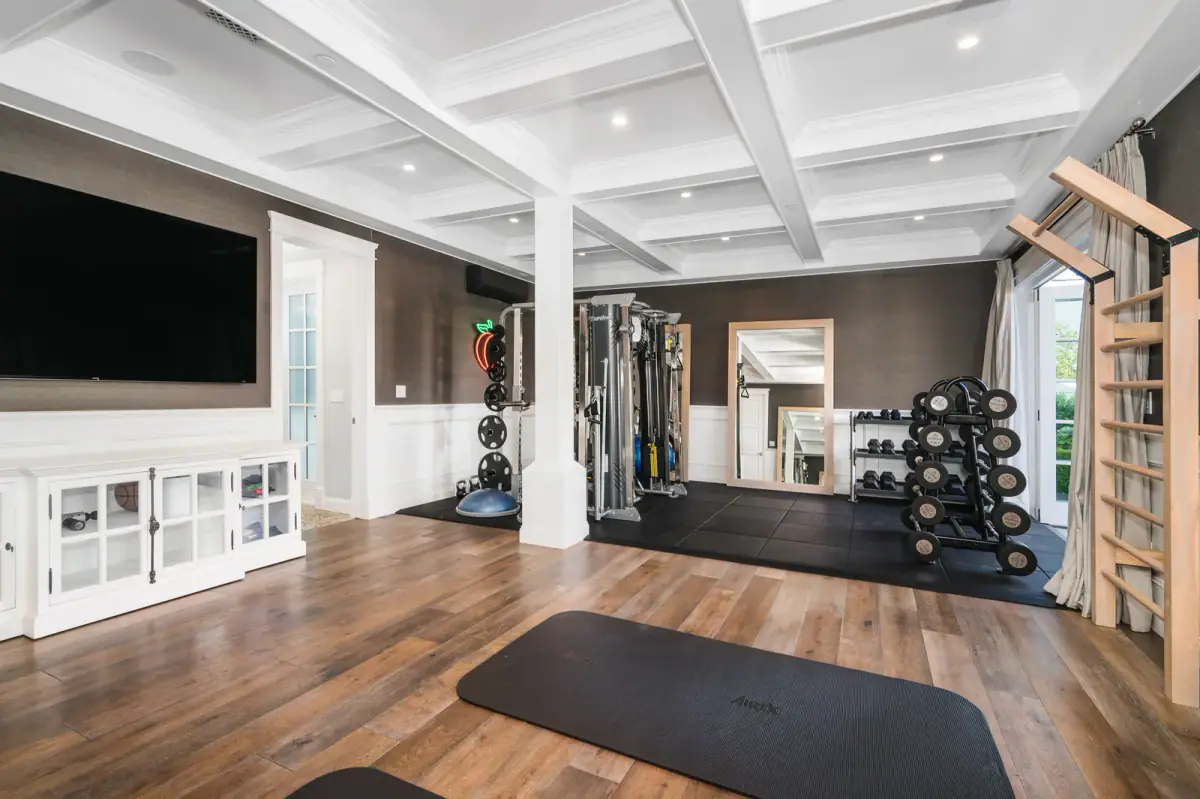
A spare-room studio is cheaper per session but carries hidden costs in setup, rules and privacy, while a rented private suite costs an hourly rate and removes most of those problems, which makes the suite the better fit once you see more than a few clients a week. The question is not which is nicer. It is which one still works in month eighteen, with a full schedule and a neighbor who has opinions about parking.
Cost: the bill you see and the one you do not
A home studio has no hourly charge, but it is never free. Count equipment you must buy and replace, flooring that survives dropped weights, the utility bump, and the share of your home you can no longer use. A suite charges for the hour you book, and the room arrives equipped. FlexWerk rates run $18 to $22 an hour for hourly spaces, and a fitness professional’s first hour is free through the get started page, so you can price a week of real sessions without risk.
| Cost line | Home studio | Rented suite |
|---|---|---|
| Equipment | You buy, maintain and replace | Included in the booked hour |
| Space | A room you give up | Billed only when booked |
| Flooring and repairs | Yours | Not yours |
| Idle weeks | Free but unused | Not billed |
| Commission | None | None, you keep 100% of what you charge |
Client perception
Clients judge a trainer by the room before the first rep. A tidy, private, well lit room signals a professional business. A home setup can do that too, but it also signals your living space: stairs, pets, family sounds, a doorbell. Some clients love the intimacy. Others, especially first-timers meeting you for the first time, feel they are visiting a stranger’s house. A separate address in a building made for training removes the question.
Noise and neighbors
Dropped plates, music and a steady stream of cars bother people who share a wall or a street. A suite is designed for the activity and sits among other training rooms, so nobody is disturbed by your Tuesday at 6 AM.
Insurance and zoning, in short
Ask your insurer whether a home training business is covered, and ask your city whether your use needs a permit. Carmel regulates home occupations, as the home occupation answer explains, and a neighborhood association may add its own limits. Neither question is solved by wanting it to be fine. A rented suite does not remove your own insurance needs, but it moves the question of where sessions happen out of your home policy.
If this, then that
- You see one or two clients a week and own the equipment: a home studio can work.
- You are growing past a handful of weekly clients: move sessions to a suite.
- Clients ask for evenings or early mornings: a suite with long hours avoids rearranging your household. FlexWerk is open Monday to Friday 5 AM to 9 PM and Saturday and Sunday 7 AM to 4 PM.
- You value a clear end to the workday: a suite wins.
For the garage version of this decision, see a garage gym versus a rented suite, and training in a home garage covers the practical rules. If you want to test a suite before deciding, book that free first hour and run one real session.
Related questions
Can I legally train clients in a spare room at home?
It depends on your city and your neighborhood rules. Carmel regulates home occupations, and a homeowners association may add limits, so check both before booking a first client.
Does home insurance cover client sessions?
Often not for business activity. Ask your insurer in writing whether a home based training business and visiting clients are covered, and what a separate policy would add.
Is a home studio cheaper than an hourly suite?
It can be if you already own the equipment and the room is otherwise idle. Add the cost of equipment, repairs and your time before you decide it is free.