
HOA Rules for Training Clients at Home: What Can Block You
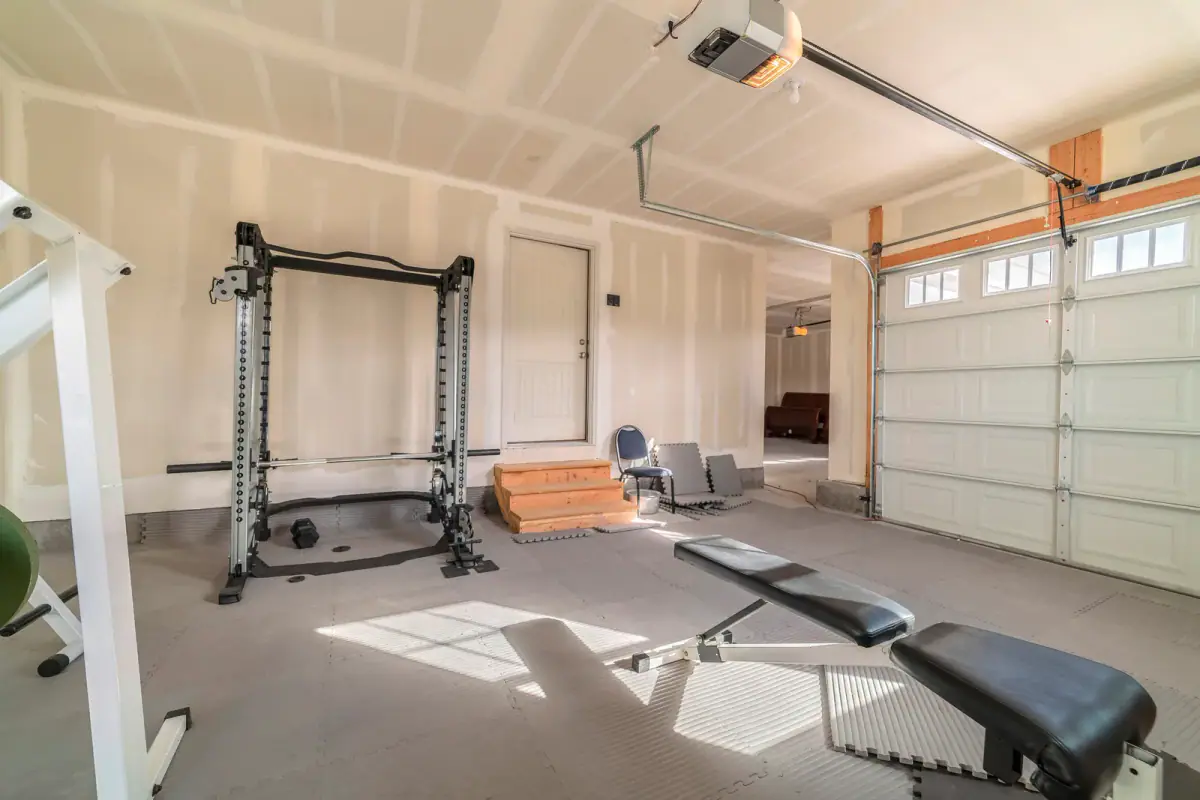
HOA rules can block a home training business even when the city allows it, because the association’s recorded covenants set a separate and often stricter standard for business use, client traffic, noise, parking, and signs. The only way to know is to read your own documents and, if in doubt, ask the board in writing. If the answer is no, an hourly commercial space removes the question.
What the rule says
An association’s power comes from the declaration of covenants recorded against the properties, plus its bylaws and rules, so the wording of your own documents decides what is allowed. Our check of the Indiana General Assembly’s code (iga.in.gov) in October 2026 did not give us a single statewide rule we can state with confidence about business use at home, so this page explains how to read covenants rather than quoting a statute. This is general information, not legal or tax advice, and rules change, so ask an attorney if a dispute is real. Hamilton County has many managed neighborhoods, so this question comes up often.
Search your documents for six things
Download the declaration, bylaws, and any rules and regulations, then search each file for these words and note the page.
| Term to search | What it can limit |
|---|---|
| Business, commercial, trade, profession | Whether any business activity is allowed at all |
| Nuisance, annoyance | Noise, early sessions, music, dropped weights |
| Parking, vehicles, street | How many cars can park, and where |
| Signs, advertising | Any signage or visible marketing |
| Garage, outbuilding, structure | How the garage may be used and whether you can add a studio |
| Visitors, guests, traffic | Limits on people coming and going |
Some covenants ban business use outright; others allow quiet home offices but bar activity that brings customers to the property. Training clients falls in the second group because of visits.
How complaints usually unfold
An association rarely goes looking. A neighbor notices cars at 5:45 AM, hears weights hit a floor, or sees a client leaving with a gym bag. The board then writes a notice asking you to stop or fix the issue. If it continues, covenants may allow fines, and enforcement can extend to legal action. The sequence moves faster than most trainers expect, and the cost lands on you personally.
Your best defense is early, written contact. If you ask for approval before your first paid client, you can negotiate limits: fewer sessions per day, start times after 8 AM, and parking only in the driveway.
What a good request to the board looks like
Send a short email or letter. Describe the use in plain terms: one-on-one sessions, how many a day, hours, where cars park, and that no signs or exterior changes are planned. Ask whether the board considers it a permitted home use or needs a variance. Keep the reply. If the board says yes, ask for a short written confirmation.
A verbal “that sounds fine” from a board member is not an approval, and boards change.
The other layers still apply
The association is one of several gates. The city may regulate home occupations, which is covered in the home occupation permit answer. Your insurance policy may exclude business activity, which is covered in training in a home garage. And a detached build adds its own approvals, covered in backyard studio for personal training clients.
When to stop trying to make it work
If the covenants prohibit it, the board declines, or you expect neighbors to push back, the home plan is unlikely to last. A private commercial room avoids all of this. FlexWerk Carmel rents hourly spaces at $18 to $22, with cardio spaces from $12, no lease, and no membership, and every first hour is free for fitness professionals. Weekday booking opens at 5 AM, so early sessions fit without anyone at home being disturbed.
The trade-off is a per-hour cost versus a home studio’s zero marginal cost. Compare them with the calculator using your real session count, and give hourly space a real test before you spend on equipment you cannot use.
Related questions
Can a homeowners association stop me from training one client at a time in my garage?
It can if your covenants prohibit business use or limit visitors, and the size of the business often matters less than the wording. Read the declaration and rules, then ask the board in writing how they would treat your plan.
What happens if a neighbor complains?
Typically the association sends a notice, asks for a fix, and can escalate to fines or legal action if the covenants allow it. Responding in writing and early usually keeps a complaint from growing.
Does a city home occupation approval override the HOA?
No. City approval and association covenants are separate layers, and you generally need to satisfy both.