
Hire a Photographer for a Training Session: Room Rules
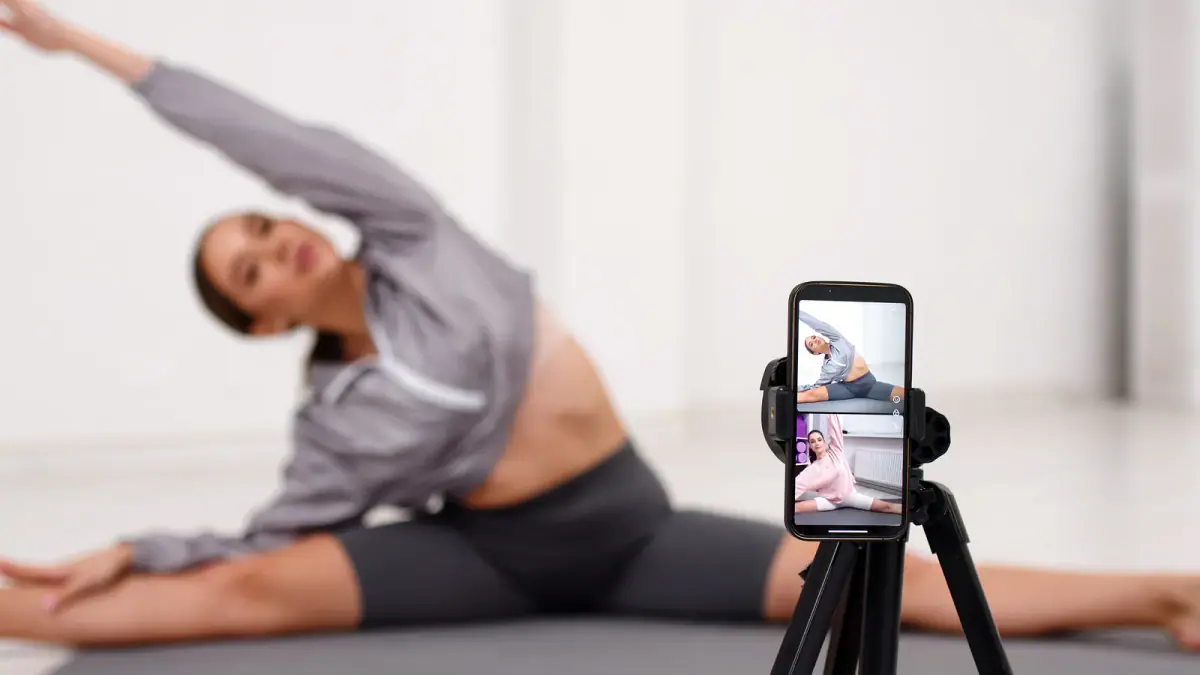
To hire a photographer for a training session in a rented room, do four things in order: confirm the host allows outside professionals, book enough time for setup, brief the photographer in writing, and collect consent from every client who will be in frame. A good result depends less on the camera and more on that sequence. If you are weighing the room itself for a bigger shoot, renting a gym for a photoshoot covers the format at length; this page is the working checklist for a session with a client.
Step one: ask the host, then size the room
Tell the facility you are bringing an outside professional when you make the booking, not at the door. Rules about vendors, equipment cases and extra people belong to the host, so ask the pro support team at prosupport@flexwerkfitness.com and get the answer in writing.
Then count heads. You, the client, the photographer and an assistant is four people. A Standard space hosts 1 to 2 guests and a Plus up to 4, and the Plus is 200 sq ft against 150, which matters when someone is carrying a light stand. Book the larger size when the crew is more than one.
Step two: build the timeline backwards
A session that is also a shoot almost always runs long, because the first ten minutes go to setup. A workable plan for a 90 minute booking:
- Minutes 0 to 15: the photographer places lights and tests exposure while the client warms up.
- Minutes 15 to 30: detail shots of equipment, hands and the room, with no client needed.
- Minutes 30 to 70: the real training, shot in sets, with the photographer asking for a pause between reps instead of during them.
- Minutes 70 to 90: posed portraits when the client is warm and looks the part.
Training first and portraits second is deliberate. People look better after they have moved, and they tolerate repeated takes more easily once the effort is done.
Step three: the client consent conversation
A client is not an actor, so ask before the day. Say where the images will appear (your site, social posts, print), how long you plan to use them, and that they can ask you to stop using them. Written consent is the safest form, and the next two pages go deeper: the model release page explains what a release must say, and the before and after photo setup covers comparison shots specifically.
Do not treat a client’s smile on the day as consent. Silence is not a signature.
Step four: brief the photographer
Send a one page run sheet a day early. Include the shot list, who will be in frame, any client who should not be shown in full, and your editing deadline. Name the parts of the room that are off limits for photographs, which is anything that identifies another client or personal documents. Because the room is private, nobody else needs to be considered, which is the main reason to shoot in one.
What it costs
You pay for the room hour from $18, plus the photographer’s fee, which is theirs to set. Because you keep 100% of what you charge, the cost of the shoot is a marketing decision you can price against the next client it brings in. Your first hour as a fitness professional is free via get-started, so use it for a dry run with a friend as the subject.
Related questions
Do I need to tell the facility before a photographer comes?
Yes. A second professional with gear changes the headcount and the booking length, so tell the host when you book, then confirm any rule about outside vendors with the pro support team.
Who should pay for the extra time the photographer needs?
Usually the person who benefits. If the shoot is your marketing, you book the hour and pay the photographer; if a client commissioned it, price it into the session fee you set.
What should a client agree to before the photographer arrives?
Where the images will be used, how long you may use them, and whether they can ask for removal. Put it in writing and keep it with your client file.