
Hand Therapy Cash Practice: Space and Equipment
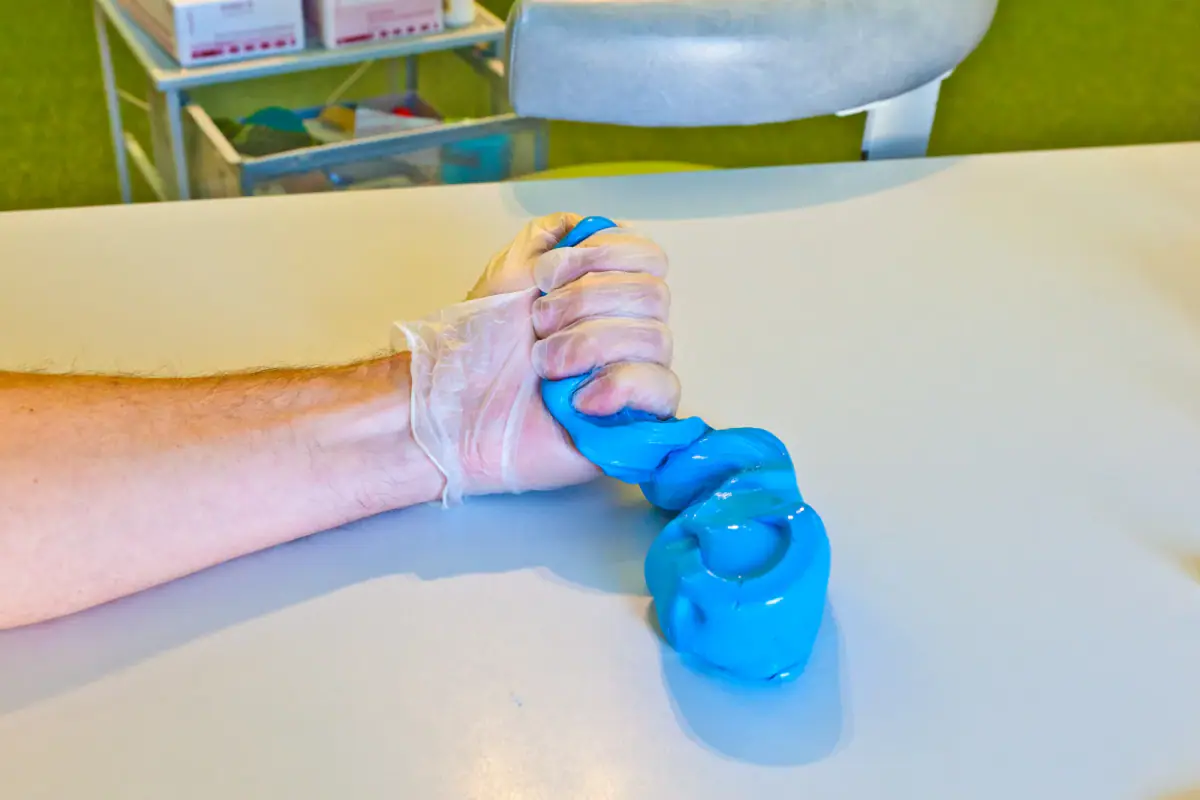
A hand therapy cash practice runs on a small footprint: one stable table, one case of splinting and testing tools, and a private room you pay for only when a patient is booked. That is why it suits an hourly arrangement. The equipment is compact and portable, so the room matters less for what is in it than for how quiet and private it is. If you are comparing models, start with space for practice owners and then plan the table below.
What goes on the table
Group the work into four layers, and carry the same kit every visit.
| Layer | What it covers | Typical items |
|---|---|---|
| Measure | Baselines and progress | Hydraulic grip dynamometer, pinch gauge, finger goniometer, tape measure, volumeter if you use it |
| Splint | Custom orthoses | Low-temperature thermoplastic sheets, a portable heating pan, scissors, strapping, pens |
| Exercise | Home and in-clinic work | Graded therapeutic putty, grip trainers, small hand-sized tools for pinch and dexterity |
| Record | Plans and documents | A tablet or laptop, consent forms, a home program handout |
A cash patient often arrives with a physician’s note and a clear goal, such as getting back to typing or a golf grip. Measurement at the first visit gives you a baseline and gives the patient numbers they can see improving.
Splinting is the part that needs planning
Thermoplastic splinting is hands-on and needs warm water, a work surface and a few minutes of drying. Plan it as a self-contained station. Bring your own heating pan and a lined tray, and ask the host, before you rely on it, where an outlet sits near the table and what can be done about spills. Scissors and trimmed edges produce clippings, so carry a small bag for them. Keep the splint materials in a bin that closes, and stage a few pre-cut shapes if your caseload repeats.
A decision list before you commit to a room
- Table height and stability. Hand therapy puts the patient’s forearm on the surface. A wobbling table makes measurements useless.
- Seating. Two chairs, one for you and one for the patient, with the table between you.
- Power. Confirm an outlet within reach of the table for the heating pan and tablet.
- Lighting. Rooms with controllable lighting help for scar and swelling checks.
- Storage. Ask about leaving gear between sessions. The equipment storage answer covers how this commonly works at hourly facilities, and your host confirms the specifics.
FlexWerk’s rooms at Carmel City Center are private training rooms with a custom lifting rack, a cable system and dumbbells (see what is in a FlexSpace), which you may or may not use. The facility provides space only and no clinical services.
Economics of a table-sized practice
Hand therapy overhead is short. Your costs are the hourly room, your liability coverage, documentation software and consumables, so a cash visit can be priced against your own time and training. FlexWerk rooms run from $18 to $22 an hour, with no lease or membership and a first free hour for fitness professionals through get started. Each practitioner sets their own fees and terms; cash practice means you decide what your hour of hand expertise is worth.
For a longer list of what a treatment practice owns, compare a small PT equipment list, then trim it to what your hand patients actually use. A visit that needs only a table and a case is a visit that fits any private room.
How to start small
Book one hour, set up your table, and photograph the arrangement so you can repeat it exactly. Test the heating pan, the lighting and the reach of the outlet, then decide whether the room fits your first three patients.
Related questions
Do I need a certified hand therapist credential to start?
Hand therapy is practiced by licensed occupational therapists and physical therapists, and the certification is a separate, voluntary credential. Your license sets the legal scope; the certification signals depth to referrers and patients.
Can I heat splinting material in a rented room?
Ask the host before you plan on it. A portable heating pan needs an outlet and a safe spot, and the answer depends on the room, so confirm it during a tour, not on the day of a patient.
Where do I put the patient's arm for treatment?
On a stable table at the right height, and many therapists prefer to bring a small portable one. Check the layout of the room you book and plan the arm position before the first visit.