
Training Space Between Studio Leases: The Hourly Bridge
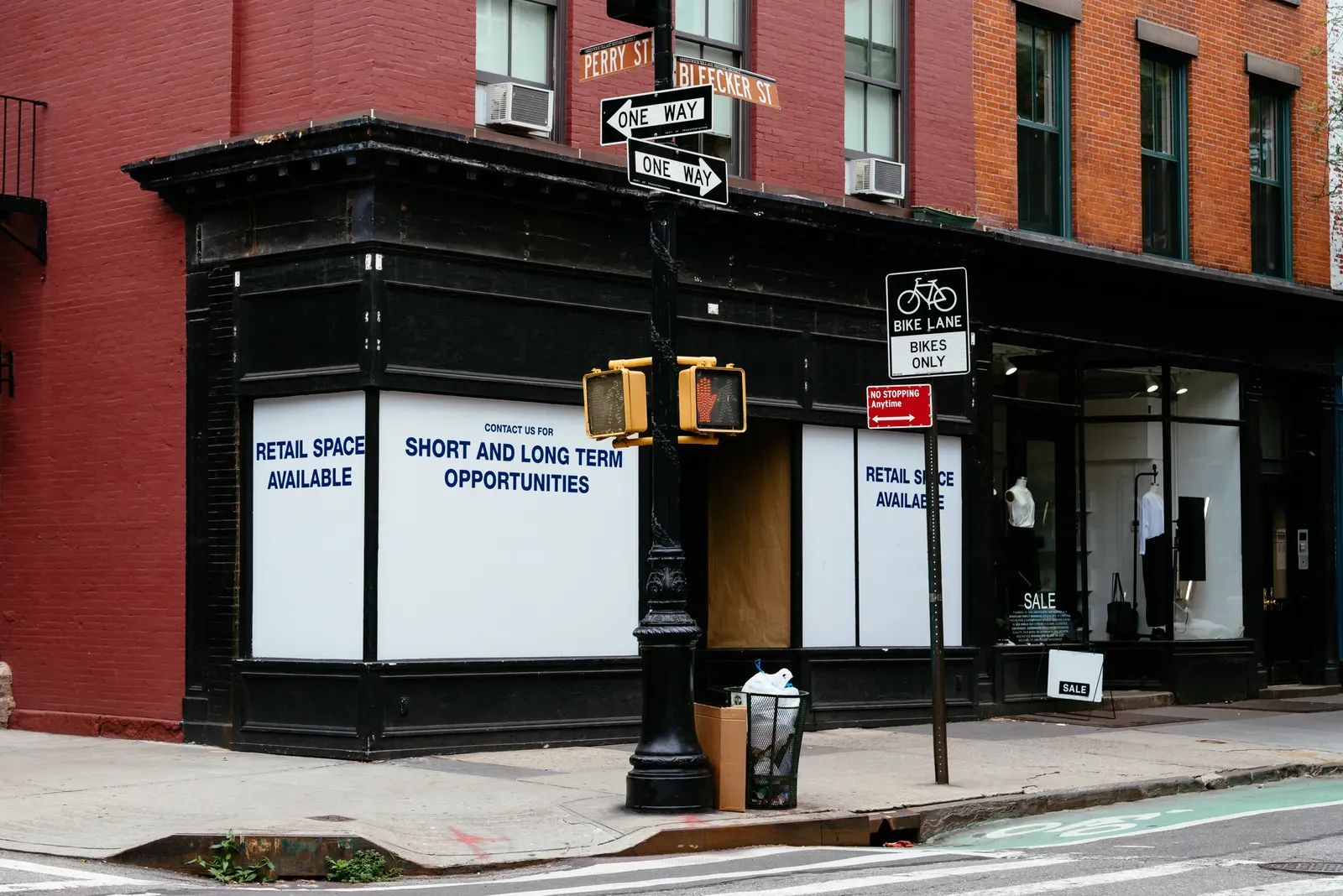
A coach between studio leases does not need a temporary lease; an hourly facility keeps the full client calendar alive during the gap. You book equipped private rooms one session at a time, keep your rates and your client relationships, and stop paying the day your new space opens. At FlexWerk in Carmel, the bridge starts with a free first hour for fitness professionals and a host conversation about your volume.
Why lease gaps happen to good businesses
The gap between spaces is rarely a planning failure. Buildouts slip for reasons no coach controls: permits queue, contractors reschedule, landlords deliver the shell late, financing closes slower than promised. A studio owner who sold or exited one lease before the next space was ready can face weeks or months with a full client book and no address, and every one of those weeks tests client loyalty. The clients do not care about your permit timeline; they care whether Tuesday at 6 AM still exists.
How the hourly bridge works
The mechanics are deliberately boring. FlexWerk rents private training spaces by the hour through the FlexWerk app, with real-time availability, no lease, and no membership. Strength spaces run $18 to $22 per hour and cardio spaces from $12, the facility is open Monday to Friday 5 AM to 9 PM and weekends 7 AM to 4 PM, and you keep 100 percent of what you charge. A displaced studio schedule of twenty sessions a week translates directly into twenty booked hours, and because peak windows are the contested ones, it pays to load your standing slots into the app early; the patterns are covered in when gym spaces book up.
Rooms come stocked: a custom lifting rack, cable system, and dumbbells in every strength space, up to 4 guests in a Plus for your semi-private clients, and WiFi, music streaming, and a TV throughout.
What your clients experience during the gap
Handled well, the bridge can read as an upgrade rather than an apology. Sessions move to a private reserved room at Carmel City Center, 885 Monon Green Blvd, steps from the Monon Trail with garage parking a short walk away. Clients who trained in an open studio now get a door that closes. Frame the message that way: not a disruption, but a premium interim home with the reopening date attached. Coaches are often surprised which parts of the temporary setup clients ask to keep.
When the bridge becomes the destination, and when it should not
Some coaches run the gap math and never sign the second lease; the model behind that choice is laid out in gym space with no long-term commitment. But honesty cuts both ways. If your business is built on group classes at volume, a branded buildout, or retail, a lease is still the right tool, and the bridge is exactly what its name says: the thing that carries you across, not the place you live.
Either way, the first step is the same and costs nothing. Claim the free hour, bring your busiest client, and find out how much of your studio’s routine survives the move intact.
Related questions
How fast can I move my sessions into an hourly facility?
Fast enough to protect next week's calendar. Claim the free first hour, talk through your volume with a host, and book your client sessions in the app. There is no lease negotiation because there is no lease.
Do I commit to anything while I bridge?
No. Hours are booked one at a time with no membership or minimum, so when your new studio opens you simply stop booking. Nothing needs to be canceled or bought out.
What if my buildout runs three months longer than planned?
The bridge stretches with it. You keep booking hours at the same rates for as long as the gap lasts, and your cost stays tied to sessions delivered rather than to the calendar.