
Concussion Baseline Testing in a Private Suite
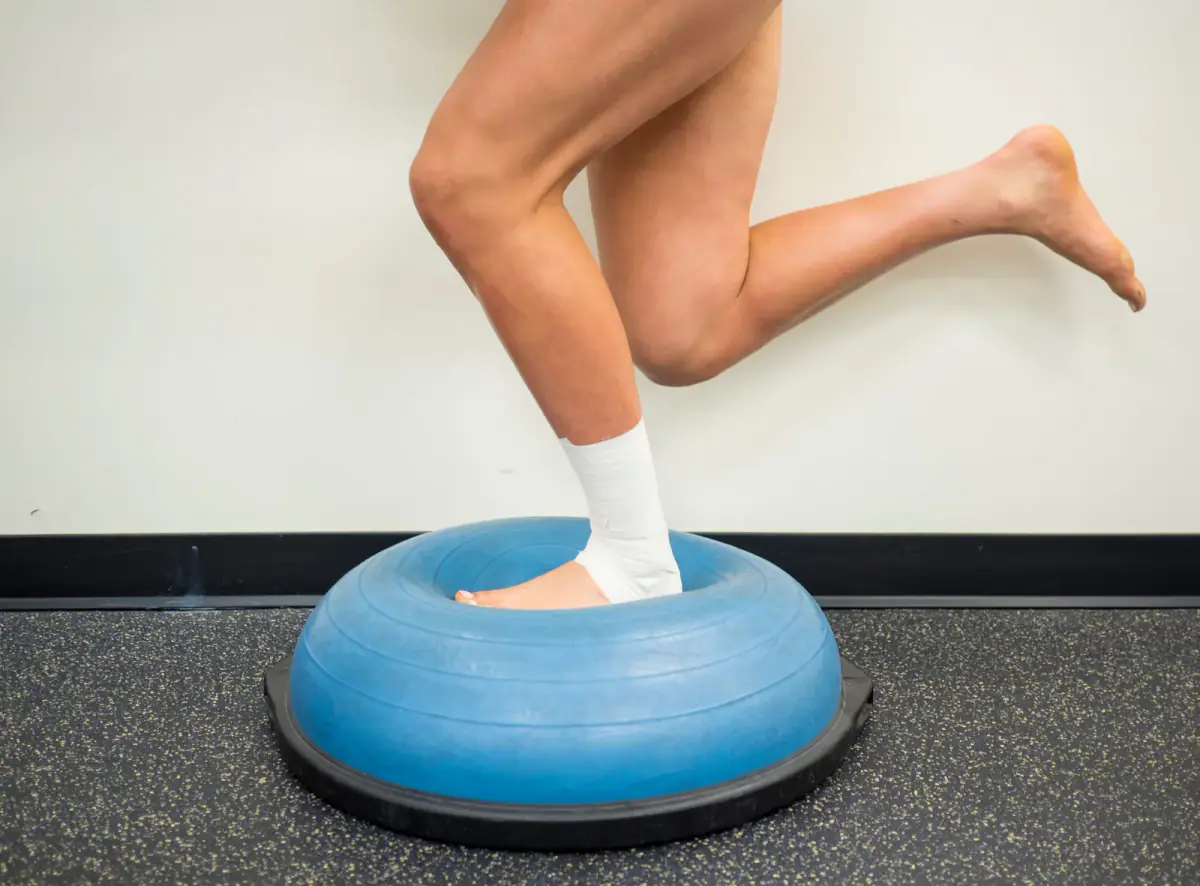
Concussion baseline testing is clinician work, so an athletic trainer or other licensed professional should run it under the protocol and physician guidance that apply to their license, and a private suite only supplies the quiet, controlled room. A physician or other licensed clinician should own any decision about diagnosis, return to play or treatment; nothing here replaces that role. This page covers the practical room side, which you can test in a free first hour, for professionals who already hold the scope to offer baselines.
Who this page is for
The reader here is a licensed athletic trainer, physician, physical therapist or similar clinician who already uses a baseline protocol and wants a space outside a school or clinic. Personal trainers and coaches without clinical licenses should not offer testing. They can send athletes to a qualified clinician and support strength work around that clinician’s advice.
Baselines are also sensitive records. Treat results as health information: decide where they are stored, who sees them and how long you keep them, in line with the rules that apply to your license and your agreements with teams and families.
What the room needs
A baseline session tests attention, memory and balance, and a noisy room can skew the results. Aim for:
- Quiet. A closed door, no music and no neighboring sessions you can hear. Test the room at the hour you plan to use it.
- Steady light. Even lighting without glare on screens. Controllable lighting helps, and FlexWerk rooms include it.
- A stable surface. A table and chair for cognitive tasks at the right height, and clear floor space for balance tasks.
- A screen at a fixed distance. A TV or monitor is already in each space, and many baseline tools run on a tablet or laptop, so plan how you will mount or place it.
- Reliable WiFi if your tool is cloud based, with a plan for what you do if the connection drops.
Run a short dry run on a colleague before real athletes arrive. Note anything that distracts them, such as a hallway sound or a reflection on the screen.
Scope: what a trainer does and does not do
A licensed athletic trainer works within Indiana licensure and the direction a physician provides. Baseline testing is typically one input among several, and interpretation after an injury belongs with the treating clinician. Return to play needs written clearance from a licensed health care provider trained in concussion care; for Indiana school athletes in grades 5 to 12, state law also requires at least 24 hours out of play (IC 20-34-7-5). Whoever runs baselines in a private suite should avoid promising outcomes, never present a baseline as clearance, and refer suspected head injuries to a physician or emergency care right away.
The Indiana physician direction answer explains how licensure and physician relationships fit together, and the private space blog describes how independent ATs organize their work.
Questions to ask a physician first
Before you offer baselines privately, sit down with a physician and ask:
- Which protocol and tools do you want me to use?
- Who reviews results, and how quickly?
- What symptoms or events mean an athlete should be sent for medical evaluation?
- How should I store and share baseline data?
- Who is my contact if a family has questions?
Get the answers in writing. If a team or club contracts you, include them in the agreement; the youth club contract page covers scope and coverage language.
Setting up the session
Plan about the length your protocol needs and add a buffer for arrival and instructions. Many clinicians book a full hour so the athlete is not rushed and notes are finished. Greet the athlete in a calm voice, explain the process once, and keep distractions low. Have a plan for parents: where they wait, whether they stay in the room and how you handle questions.
Prepare for the unexpected. Know the building entrance, have a phone and a written emergency plan ready, and decide in advance when you stop and call for help. A test that reveals a concern should end with a referral, not a guess.
Pricing and booking
Rooms at FlexWerk rent by the hour with no lease, spaces start at $18 an hour, and the first hour is free for fitness professionals. Each clinician sets their own fee and terms, and you keep what you charge. If baselines are a seasonal service, an hourly room means you pay for the day you test and not for the weeks you do not. For a pricing frame, see prehab session pricing. You can book that free hour to check the room’s quiet and screen setup before you commit a team.
Related questions
Can a personal trainer offer concussion baseline tests?
Baseline and post-injury testing belongs with licensed clinicians working within their scope and any physician direction that applies. A trainer without that license should refer athletes rather than test them.
Does a private room change who is allowed to run the tests?
No. The room is a location. Who may administer or interpret a test depends on the professional's license, training and the protocol they follow.
What should the room feel like during testing?
Quiet, evenly lit and free of interruptions, with a stable table or chair and a screen at a comfortable distance. Distractions can affect how an athlete performs, so control what you can.