
Between-Session Workouts for Clients: Programming Solo Days
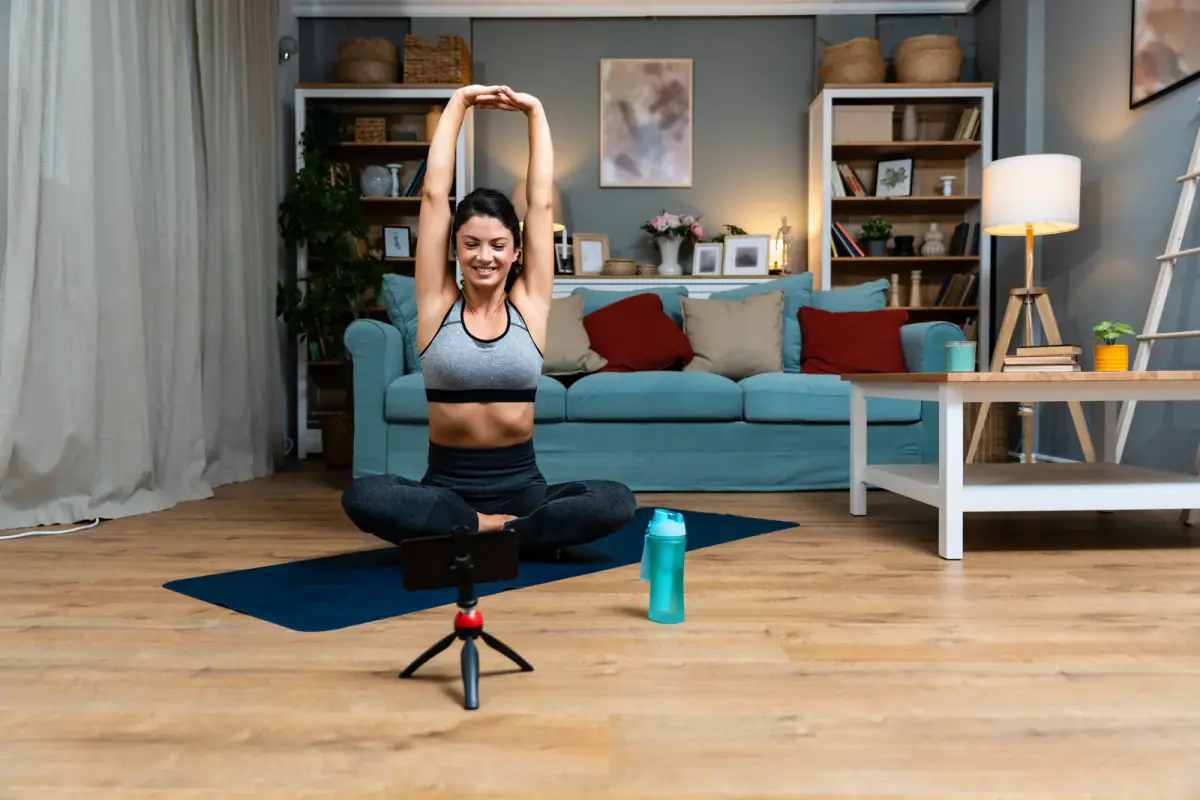
Assign one or two short solo workouts per week, built from movements the client already does well, and pair each with a simple way to report back. Between-session work extends your coaching into the days you are not in the room, but only if it is small enough to actually happen. Claim your free first hour and use a session to rehearse each solo workout together before the client takes it home.
How much to assign
Start with less than feels useful. A client who trains with you once or twice a week and gets five solo workouts will do none of them. A rough guide:
| Sessions with you | Solo workouts to assign |
|---|---|
| One a week | Two short ones |
| Two a week | One or two |
| Three a week | Optional, light, or a walking target |
Treat these as starting points. The right number is the one the client does. Adjust after two or three weeks of seeing what actually happens.
What to put in a solo workout
Keep it simple and low-risk. Good choices:
- Familiar movements the client has done in your sessions many times.
- Low equipment demands: bodyweight, a pair of dumbbells or bands.
- A clear structure: three to five exercises, two or three rounds.
- Effort guidance: “you should be able to talk, but not sing.”
- A walking or mobility option for lower-energy days.
Avoid new, heavy or technical lifts for solo days. Those belong in sessions where you can watch. If the client is also dealing with an injury or health concern, only assign what their clinician has cleared.
Keeping it accountable without nagging
The check-in is what turns a plan into a habit. A few simple options:
- A one-line report: “Did it, felt good” or “Skipped, busy week.”
- A shared log: the client records what they did, as discussed in whether clients should see their training logs.
- A quick start to the next session: “How did the home workouts go?”
Respond briefly and positively. If a client reports skipping, ask what got in the way and shrink the plan. Shame does not build habits.
If this, then that
- If the client is new, assign a walking target and one short workout.
- If the client is experienced, assign two workouts and ask for the numbers.
- If the client is traveling, use the approach in programming for a client who is traveling.
- If the client keeps missing both sessions and solo work, step back and look at the bigger pattern in programming for clients who miss sessions.
Delivery that makes it easy
Make the plan easy to find. A short message with the workout in a simple list works better than a long document. A short video of each movement, filmed in the room, takes the guesswork out. At FlexWerk Carmel, rooms are deliberately comfortable to film in, and a client arrives as your free guest, so recording a few demos at the end of a session costs little time.
Review the week’s solo work at the start of each session, not the end. A three-minute chat sets the tone and shows the client you notice.
Let it earn its place
After a month, ask: did the solo work add value? Look at attendance, strength trends and how the client talks about training. If the answer is yes, keep it. If it just created guilt, simplify or drop it.
Write one solo workout for your next client today, with no more than four exercises, and send it before the weekend.
Related questions
Should every client get homework?
No. Offer it to clients who want more than their session count provides and who have shown they follow through. Others may do better with a walking target and nothing more.
How long should a solo workout be?
Twenty to thirty minutes is usually enough. The workout needs to fit into a day that already has other demands.
What if the client never does it?
Shrink it. Ask what the smallest version would be, and build from there. A tiny habit done is better than a big plan ignored.