
Should Clients See Their Training Logs Between Sessions?
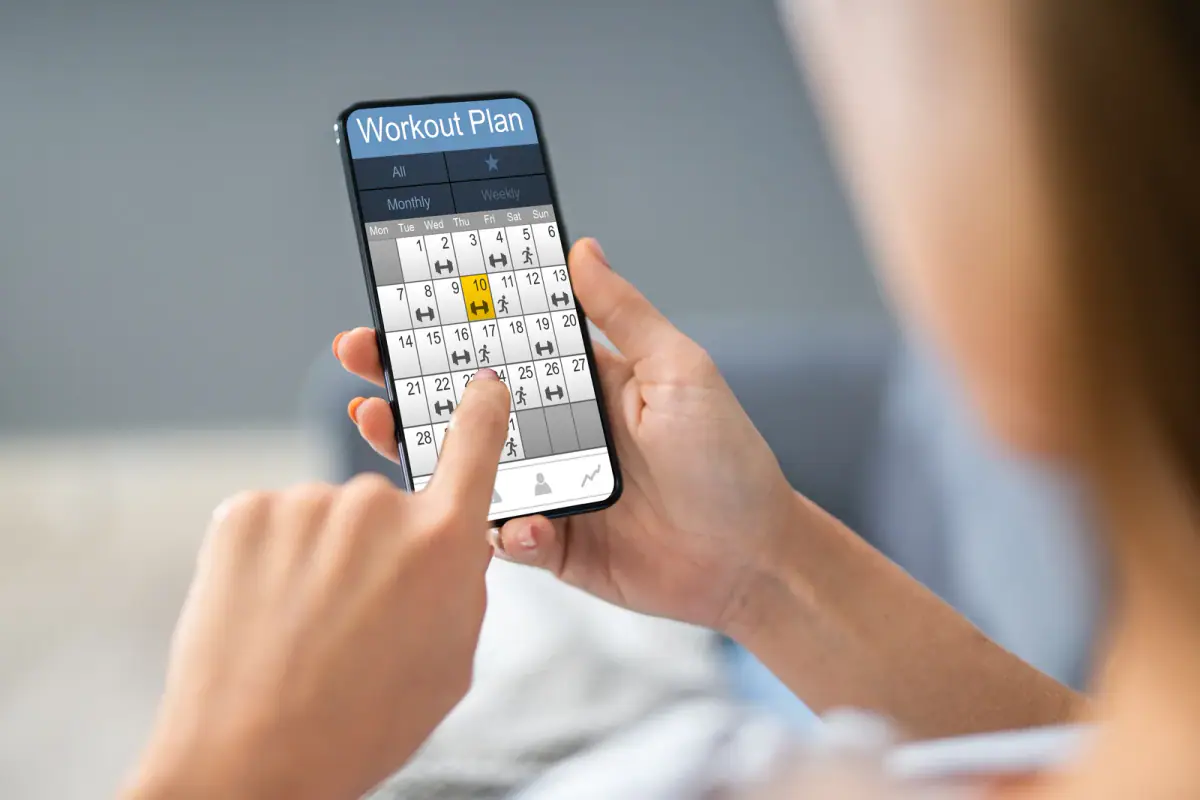
Yes, most clients should be able to see their own training log between sessions, limited to main lifts, attendance and a simple trend, with your private coaching notes kept separate. Visible progress builds belief and accountability, though a small group of clients will over-read the numbers. Claim your free first hour and use your first sessions to decide what a good shared view looks like.
The case for sharing
A log a client can see changes how they relate to training. The strongest reasons:
- Progress becomes visible. Numbers on a screen show change that memory misses.
- Accountability rises. A client who can see a gap in their own attendance is more likely to close it.
- Trust grows. Transparency signals that the plan is built on something real.
- Between-session work gets easier. Clients who train alone can follow the plan without messaging you.
The principle is the same one behind tracking progress beyond the scale: people stay motivated by evidence they can see and trust.
The case against, honestly
There are real downsides, and ignoring them is how sharing goes wrong:
- Over-analysis. Some clients obsess over a single lighter day and conclude the program is failing.
- Comparison. A client may compare themselves to numbers they have seen elsewhere.
- Privacy. A log can contain details about health, mood or injuries that you would not want sitting in a shared document.
- Extra work. Maintaining a client-facing log takes time you may not want to give.
None of these is a reason to hide everything. They are reasons to decide what to show.
What to show and what to keep
| Share with the client | Keep private |
|---|---|
| Main lifts and working sets | Mood and stress observations |
| Attendance and streaks | Injury or pain notes beyond what the client reports |
| Trend lines over weeks | Concerns about motivation |
| Upcoming session plan | Business notes such as payment status |
If a client has a clinician involved, anything about health belongs in a separate, consented channel, not the shared log.
If this, then that
- If the client is data-driven, share a full log and a weekly trend.
- If the client is anxious about numbers, share a summary and highlight wins.
- If the client trains alone between sessions, share the plan and a simple place to record what they did.
- If the client rarely looks, send a short recap instead of expecting them to check, as in the monthly recap message.
How often to update
Update the log after each session, ideally within a day, so the information is still fresh. If that is too much, update weekly. A log that is a month behind stops being useful. Retests belong on a slower rhythm, covered in how often to reassess clients.
Setting the expectation
Tell clients up front what the log is for. Something like: “This is where you will see your lifts and attendance. A bad day will show up here too, and that is normal. We look at trends, not single sessions.” That sentence removes most of the over-analysis problem before it begins.
A private room also helps when a log leads to a hard conversation, since it lets you discuss a stalled number without anyone listening. FlexWerk Carmel rooms are private and booked by the hour, so a longer review slot is an easy add.
Decide today which three data points every client will see, and set up the view before the next new client arrives.
Related questions
What is the downside of sharing logs?
Some clients fixate on small fluctuations and read a normal off day as failure. If you notice it, summarize instead of sharing raw numbers.
Do I need a special app?
No. A shared document or a simple coaching app works. What matters is that the client can find it without asking you.
How much should a client see?
The main lifts, attendance and a trend line are enough for most clients. Keep your private notes on mood, injuries and conversations to yourself.