
Automated Session Reminders for Trainers: Do They Work?
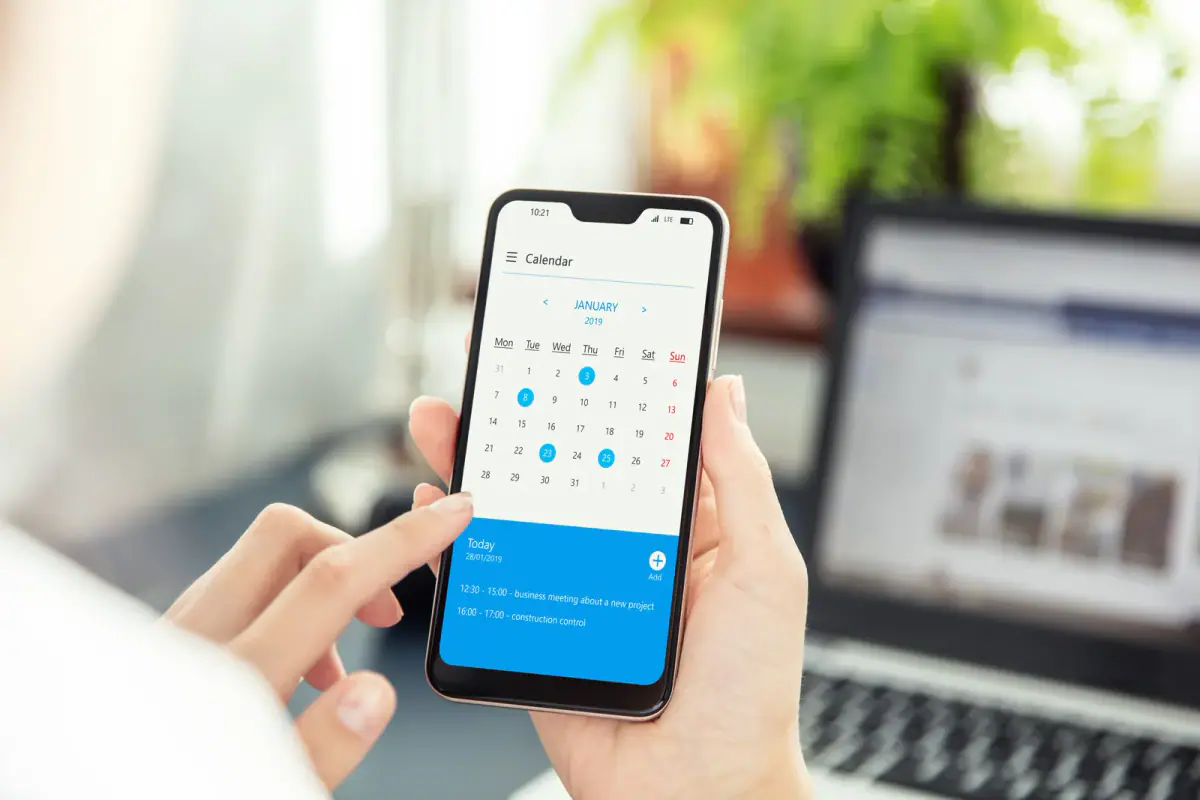
Automated reminders work because most missed sessions are forgetfulness, not refusal, and a timely message fixes forgetfulness at almost no cost. The fair caveat is that a reminder cannot repair a poor policy or a lukewarm client. Automate the logistics, keep the personal messages personal, and you get fewer empty hours without sounding like a robot. Here is how to set the timing and the split, starting from your booking system.
Text or email: pick by job
Texts are read within minutes, so they suit the nudge that matters on the day. Email holds more, so it suits the confirmation at booking, where a client wants the address, parking and a way to change the session.
A workable pattern uses both:
- At booking, by email. Confirmation with location, time and your cancellation window.
- The evening before, by text. One line: day, time, place, link to reschedule.
- A short text two to three hours before early sessions. Only for sessions in the first slots of the day, when oversleeping is the real risk.
Three touches is plenty. More than that and clients start filtering you.
Timing that holds up
The cancellation window in your policy sets the timing. If clients must cancel 24 hours ahead, the reminder has to arrive before that line, not after it, or the message is a trap instead of a service. Send the evening-before text at a time when people are reading messages, not late at night. A reminder that lands after the penalty window feels like a gotcha; the full policy design is in no-show and late cancel policies.
What to automate and what to keep personal
| Automate | Keep personal |
|---|---|
| Session day, time and place | A client returning from injury or illness |
| Reschedule link | A missed session after a streak of attendance |
| Pack balance reminders | Feedback on form or progress |
| Renewal notices | Anything about payment trouble |
The rule behind the table: if the message is information, a machine can send it. If the message is about how a person feels, you should. A client who has gone quiet needs a human message, and what to do when a client ghosts covers it.
Measure whether it is working
Count missed or late-cancelled sessions per month before you turn reminders on, then again after six weeks. If the number does not move, the cause is elsewhere: a policy that is never enforced, a time slot that does not fit the client’s life, or a client who has lost interest. Use the same measure to decide whether a paid reminder feature earns its cost, since a free calendar notification may do the same job.
Reminders for different kinds of clients
A busy executive may want a reminder at 6 PM the night before and nothing else. A parent coordinating school pickups may want one the morning of. Ask at intake which channel and time suits each person and store it with their record. A client who consistently cancels at the last minute may need a second early reminder or a short call instead, since the pattern is about their week, not about forgetting.
A note on tone and consent
Write reminders in your own voice, with your name on them. Ask for text consent at intake and honor stop requests promptly. Clients arriving at FlexWerk are free guests, and a reminder can include the entrance and parking note once, since the space is at Carmel City Center with a garage a short walk away; after that, drop it from the template.
Set up the evening-before text this week, tell clients it is coming, and compare your missed-session count in six weeks.
Related questions
Do clients mind automated texts?
Most accept them when they are short, expected and sent at a sensible hour. Tell clients at onboarding that reminders are automatic so the first one does not feel like a surprise.
Do I need permission to text clients?
Get clear consent at intake to receive text messages from you, and give an easy way to opt out. Rules on commercial texting exist, so ask a professional about your specific messages.
What should a reminder say?
The day, time, place, a link to change the booking and your cancellation window. Skip marketing and long paragraphs.