
Do You Need to Book Extra Setup Time?
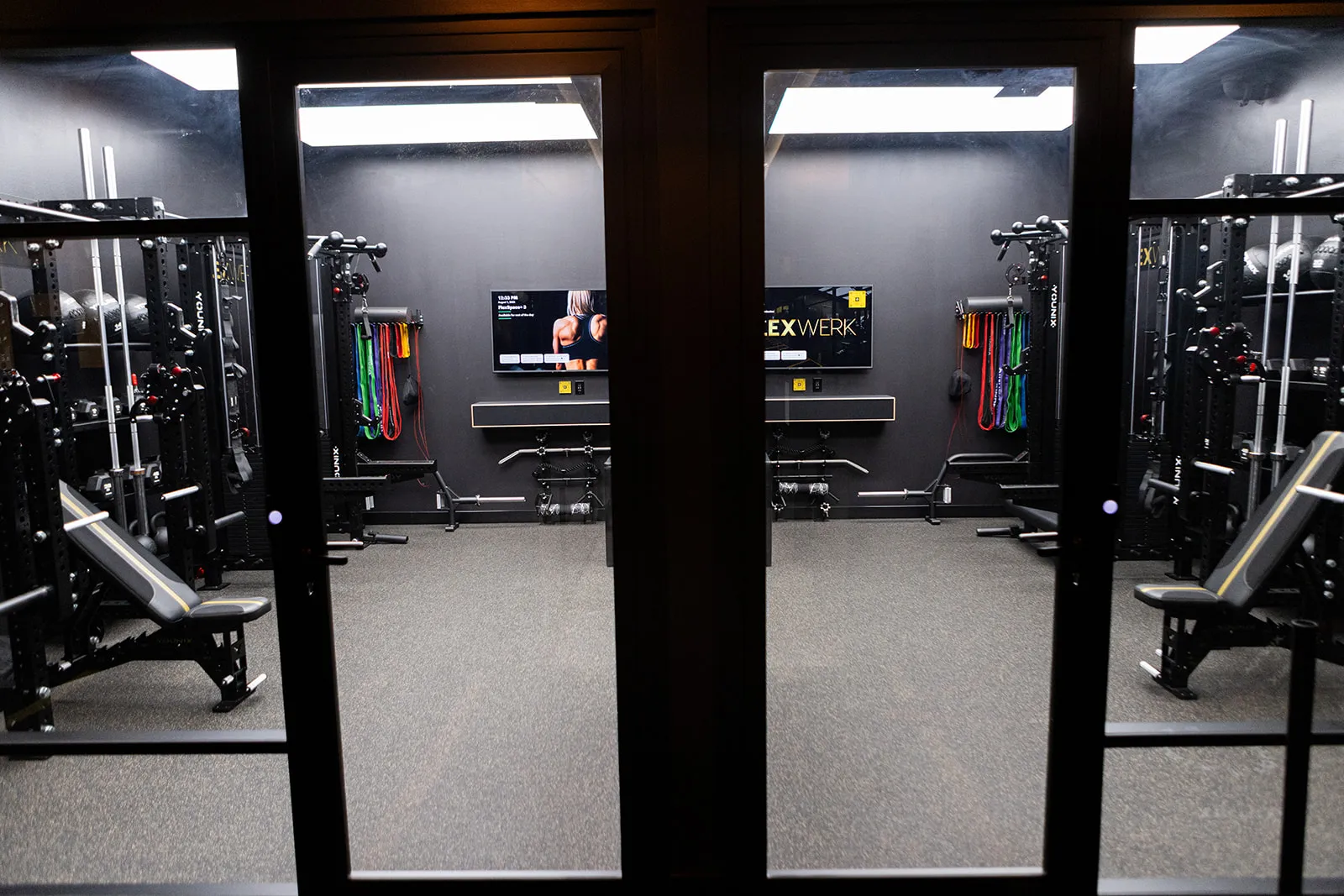
Setup time is not automatically added on top of a booking at most hourly training facilities: the hour you reserve is the hour you get, so equipment prep, room adjustments, and client check-in usually happen inside that window rather than before it. Claiming a first hour is the simplest way to see exactly how any facility, FlexWerk included, actually runs its clock before you build a habit around an assumption. Here is how the general pattern works, what tends to eat into a session, and where to get FlexWerk’s specific answer.
How the minutes before your hour usually work
Across hourly facilities, the pattern is fairly consistent even when the fine print differs: your reservation defines the block of time the room is yours, and the room itself typically is not accessible, on the calendar, or unlocked for you before that block starts. Some buildings allow waiting in a lobby or common area ahead of time; others simply have the door open at the top of the hour. Neither approach is universal, and the honest answer for any specific building is whatever its own booking system and staff say, not what a different city or a different app does.
What actually eats into a booked hour
Regardless of the exact entry rule, three things quietly consume coaching minutes if you do not plan for them: moving or adjusting equipment for the session ahead, walking a new client through a waiver or health screen, and re-racking or resetting the room at the end for whoever books next. None of that is wasted time, but none of it is billable coaching either, so experienced independent trainers build a small internal buffer rather than relying on the facility to grant one.
Practical ways to protect the buffer yourself
A few habits fix most of this without needing a policy change:
- Send paperwork ahead of time. A waiver and health screen completed before arrival turns five minutes of intake into thirty seconds of confirmation.
- Arrive dressed and staged. Walking in ready to move, rather than changing or organizing gear on the clock, returns several minutes to the session itself.
- Book a slightly longer block when your setup is heavy. If a session genuinely requires extra staging, reserving a few extra minutes is cheaper than rushing a client through a cold start.
- Save your preferences where the room allows it. Music, lighting, or display settings you can preset save a repeatable few minutes every single session.
Checking the app before you rely on any of this
Before booking, look at what the reservation screen actually tells you: whether the next hour is already claimed by someone else, whether back to back bookings are shown as adjoining or separated, and whether a cancellation or adjustment window is listed. Those details answer the practical question, whether you can count on a quiet minute before a client walks in, better than a general rule ever could.
Get the FlexWerk-specific answer before you plan around it
FlexWerk’s own arrival and buffer process is the one detail worth confirming directly rather than guessing from how the industry generally works. The app shows live room status and booking windows, and the pro support team at prosupport@flexwerkfitness.com can answer anything the screen leaves out, including how back to back sessions are typically handled and what the posted hours mean for an opening or closing slot. Reading through how booking itself works first will make that conversation faster.
The cheapest way to remove the guesswork is to run one real session and watch the clock yourself, which is exactly what a free first hour is for.
Related questions
Does a booked hour include time to set up equipment first?
At most hourly facilities, the reserved hour is the whole transaction: access and billing start at the time you booked, so setup typically happens inside that window rather than before it. FlexWerk's exact entry and buffer process is confirmed through the app or the pro support team rather than assumed from another facility's habit.
How much buffer should I build in for setup and breakdown?
Five to ten minutes on each end is a common working habit among independent coaches, enough to rack weights, reset the room, and greet the next client without eating into paid coaching time. Adjust based on how much your specific session style requires.
Who do I ask for FlexWerk's specific arrival policy?
The app is the fastest source, since availability and any grace window show there in real time, and prosupport@flexwerkfitness.com can confirm details that are not obvious on screen.