
The Zionsville Market for Personal Trainers: Small Town, Premium Clients
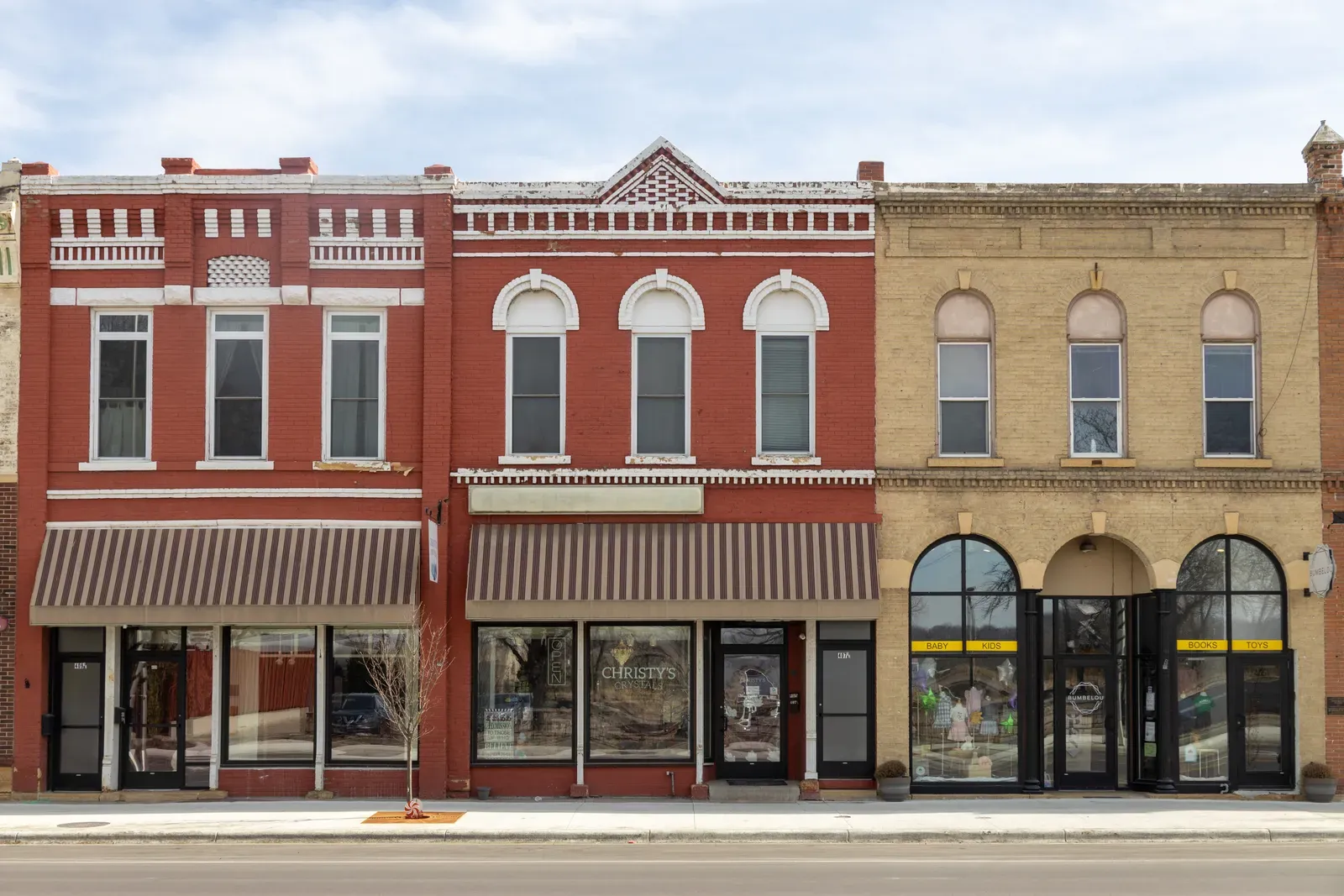
Zionsville breaks the usual rule that a training business needs population density: it is a small, affluent village where the winning model is premium rates and long retention with a modest client roster, not volume. Boone County consistently ranks among Indiana’s highest income counties, and the brick Main Street sets the tone for what its residents expect from any service they pay for. Testing the market costs a coach nothing up front; the free first hour for fitness professionals is an easy drive east.
The shape of the Zionsville market
Read the fundamentals honestly and a specific picture emerges. The demand side is strong per household: high incomes, established professionals, families that already pay for premium services without blinking, and a village culture where reputation travels fast in both directions, which cuts for you when the work is good. The supply side is thin in absolute terms because the town is small; there are boutique options in and around the village, but nothing like the wall-to-wall fitness supply of the bigger suburbs.
What Zionsville does not offer is scale. A coach who needs 60 clients cycling through group sessions will exhaust the local pool. A coach who needs 20 to 30 committed clients at premium rates will not, and that distinction should drive every other decision you make here, from pricing to positioning to where the sessions physically happen.
The economics of a low density, high affluence market
The playbook for markets like this is consistent anywhere you find them:
- Rate over volume. Your ceiling is set by the value of the hour, not the number of hours. The north side’s premium tier typically runs $75 to $125+ per session, and affluent small markets support the upper end when the experience justifies it; the mechanics are covered in how to price personal training.
- Retention is the business. With a small client pool, keeping a client for three years instead of six months changes your revenue more than any marketing campaign. Reviews, check-ins, and reassessment rhythms matter disproportionately.
- Referrals replace advertising. In a village-scale town, one delighted client at a dinner party outperforms any ad budget. Discretion and results are your marketing.
- Semi-private multiplies carefully. Couples and pairs of friends training together raise your effective hourly rate while feeling personal rather than class-like, a natural fit for how this town socializes.
Sketch the arithmetic and the model gets concrete. Twenty-five committed clients averaging two premium sessions a week is a full, sustainable book; the same revenue at big box rates would demand nearly double the session count, plus the 40 to 60% commission split a floor arrangement commonly takes. In a small market, the version of the business that needs fewer, better clients is not just more profitable; it is the only version the population can actually supply.
What premium small town clients actually buy
Watching what holds at this tier, the pattern is consistent: privacy first, because a session without an audience matters to executives, beginners, and anyone who dislikes performing their workout in public; a specialist’s answer to “who do you help,” consistent with surveys showing about 52% of clients now seek specialists; and logistics that respect their time, sessions that start on schedule in a room that is actually reserved. The setting is inseparable from the rate. A $110 session delivered in a garage undercuts itself; the same session in a private, fully equipped room reads as fair value.
The space problem in a boutique town
Here is the honest constraint: village charm is expensive. Main Street storefront space commands boutique-retail rents, and a solo coach’s session volume rarely justifies them, which is why so few private studios exist here despite the demand. The alternatives each cap something: client homes cap equipment and professionalism, garages cap your rate, and a big box arrangement outside town caps your margin at the commission split.
The hourly model removes the cap without the lease. FlexWerk at Carmel City Center, 885 Monon Green Blvd, rents private training rooms by the hour, an easy drive east from Zionsville: a custom lifting rack, cable system, and dumbbells supporting 850+ exercises in a Standard room and 1,100+ in a Plus, with WiFi, a TV, music streaming, and controllable lighting in each. Rooms book through the FlexWerk app from $18 per hour, there is no lease and no membership, you keep 100% of what you charge, and clients walk in free as your guests. More than 40 fitness professionals run their businesses there, averaging about 24 sessions a week; hours run Monday to Friday 5 AM to 9 PM and weekends 7 AM to 4 PM. The location also widens your market beyond the village, since Carmel’s client base sits between you and the room; the details are in private training facilities near Zionsville.
When the village itself is the better answer
If your offer depends on foot traffic, a visible storefront community, or outdoor group sessions on village greenspace in the warm months, staying hyper-local has real value, and the drive east becomes a cost rather than an upgrade. The hourly room wins for the model this market most rewards: private, premium, appointment-based coaching where the client experience must match a premium rate.
The way to settle it is not analysis. Book the free first hour, invite one Zionsville client to a genuinely private session, and watch how a Boone County client responds to the tier you are proposing.
Related questions
Is Zionsville big enough to support a full time training business?
Yes, if the business is built on rate and retention rather than volume. A full book at premium small town rates is 20 to 30 sessions a week, and a central location also lets you draw from Carmel and the rest of the north side.
Where do Zionsville trainers find private space?
The nearest dedicated hourly facility is FlexWerk at Carmel City Center, an easy drive east from Zionsville. Rooms rent by the hour with no lease or membership, and a fitness professional's first hour is free.
What should a trainer charge in the Zionsville market?
North side training typically runs $40 to $70 per hour at the big box tier and $75 to $125+ at the premium and private tier. Affluent low density markets sit firmly in the upper band when the setting matches the rate.