
Indoor Training Space for Triathlon Coaches in Carmel
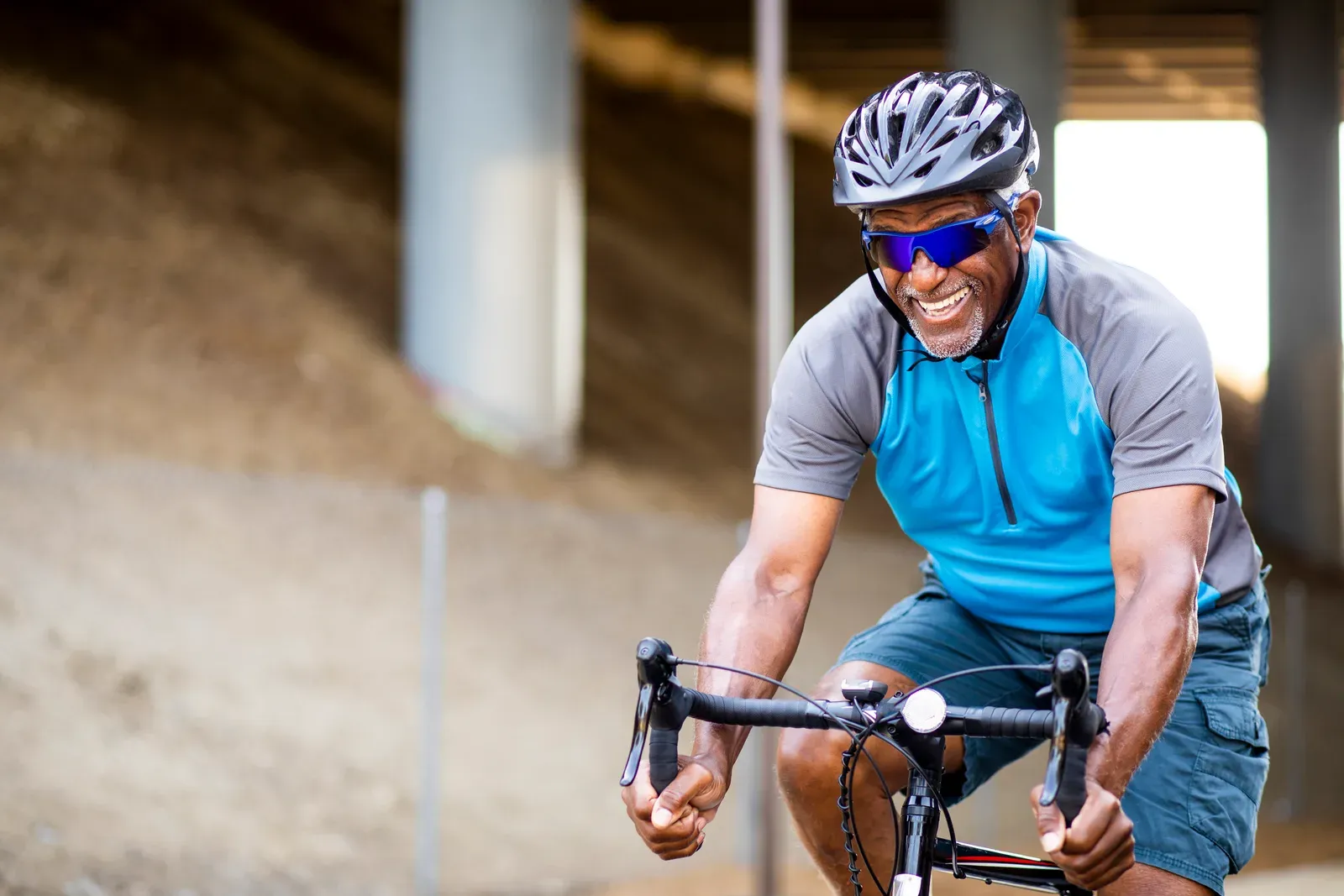
Triathlon coaching has quietly become a laptop profession: plans in TrainingPeaks, feedback over voice memo, athletes you have never physically watched move. A private hourly suite at FlexWerk in Carmel City Center gives a triathlon coach the missing in-person layer, strength sessions, treadmill work, and trainer rides with athletes, without the lease that a three-sport facility would normally demand. The smart first move is the free first hour, booked like an athlete would book you: with intent.
Two of three sports fit in the room, and that is enough
Nobody rents you a pool by the hour, so say it plainly: swim coaching stays on the deck you already use. What a FlexSpace covers is everything else in the athlete’s week, which is most of it. Cardio suites include curved treadmills for run form and interval sessions, plus HYDROW rowers and CLMBR machines that earn their place in low-impact aerobic blocks. For the bike, athletes bring the smart trainer they already own, the way all specialty gear works here, and the suite supplies WiFi for the platform, a TV for the numbers, and a closed door for an honest conversation about pacing discipline.
Then there is the strength room problem. Strength work is the most skipped session in every age-grouper’s plan and the first thing a coach should supervise in person. A Standard suite’s rack, cable system, and dumbbells support more than 850 exercises, which is more strength capability than most triathletes have touched in their lives. If run-specific coaching is becoming its own line of your business, the running coach space model shows how the same suite serves it.
The Carmel age-grouper is your ideal client
Triathlon is an expensive sport pursued by people with demanding calendars, and Carmel produces that person at scale: median household income of $141,505, more than 100 corporate headquarters in the metro, and a culture of paying specialists. Your realistic roster looks like this:
- First-timers with disposable income who bought the bike before the fitness and need supervised fundamentals
- Time-crunched executives chasing a 70.3 around sixty-hour work weeks, who value a coached 6 AM session precisely because their day allows nothing else; facility hours start at 5 AM on weekdays
- Serious age-groupers who want quarterly in-person assessments layered onto remote programming
- Masters athletes whose durability, not fitness, is the limiter, and whose strength sessions genuinely need eyes on
Guest access helps the sport’s social wiring too: training partners and spouses come in free, and a Plus suite holds up to four people for the small pods age-groupers naturally form.
The geography cooperates too. Carmel City Center sits steps from the Monon Greenway, five miles of which run through Carmel, so a treadmill-plus-trail brick or a strength session that follows an outdoor run is logistically trivial.
Hybrid coaching is the model, and it needs a room
Recent industry reports show hybrid delivery, remote programming plus periodic in-person work, is now the most common coaching model, roughly half of coaches run it, and triathlon may be the sport it fits best. The plan and the data live online; the suite hosts what remote coaching cannot do: movement screens, supervised strength, form filming on the suite TV in a deliberately filming-friendly facility, and race-plan meetings that deserve better than a video call.
The same reports put coaches using AI tools somewhere in their workflow at roughly 64 percent, which makes the in-person hour more valuable, not less: the suite session is where a machine-assisted plan finally gets a human eye on actual movement.
Structurally, that means you do not need many hours to transform your offer. A coach seeing each local athlete twice a month books a modest block of suite time yet charges a meaningfully higher monthly rate than plan-only coaching, because the in-person layer is the differentiated part. Designing those tiers is its own craft, covered in the hybrid coaching business model guide; the space side of it costs nothing until an athlete books.
Costs that follow the season instead of fighting it
Triathlon coaching income is seasonal and a lease is not, which is the whole argument in one sentence. Winter and spring build blocks are heavy with strength and trainer sessions; race season thins to tune-ups; October is nearly silent. Hourly rental through the FlexWerk app maps cost onto that curve exactly, with no lease, no membership, and 100 percent of your coaching fee staying yours. In a market where premium one-on-one coaching commonly runs 75 to 125 dollars per hour and up, the in-person sessions also reprice your remote tiers upward, since every plan now carries the credibility of a coach with a real facility behind it.
One logistics note deserves honesty: a bike and trainer are luggage, and hourly rental means hauling them per session rather than leaving them staged. Most coaches solve it with a repeatable setup routine and stacked morning blocks, two or three athletes on the same day so the staging effort amortizes, with garage parking a short walk from the suite keeping the carry manageable.
More than 40 fitness professionals already run businesses out of FlexWerk Carmel, and for a triathlon coach that hallway is a referral engine: strength coaches with runners who caught the tri bug, and a steady supply of athletes who need what only a multisport coach can plan.
Treat the next step like a session on the calendar: book the free first hour, bring a trainer and one athlete, and run the strength-plus-bike session your remote clients have been missing.
Related questions
Which parts of triathlon coaching fit in a private suite?
Strength sessions, run work on the curved treadmills in cardio suites, bike sessions on an athlete's own smart trainer brought in, plus assessments, race planning, and video review. Swim coaching stays at the pool, and the suite covers essentially everything else.
Can I bring an athlete's bike and trainer into a FlexSpace?
Specialty equipment is bring-your-own at FlexWerk, and a portable smart trainer setup travels the way triathletes are already used to. The suite provides WiFi, a TV, and privacy, which covers what a structured trainer session needs around the bike.
Do I need space year-round if my athletes race seasonally?
No, and that is the point of hourly rental. Winter build blocks book heavy, race season books light, and with no lease or membership your facility cost follows the training calendar instead of fighting it.