
Tournament Week Training Blocks at Grand Park
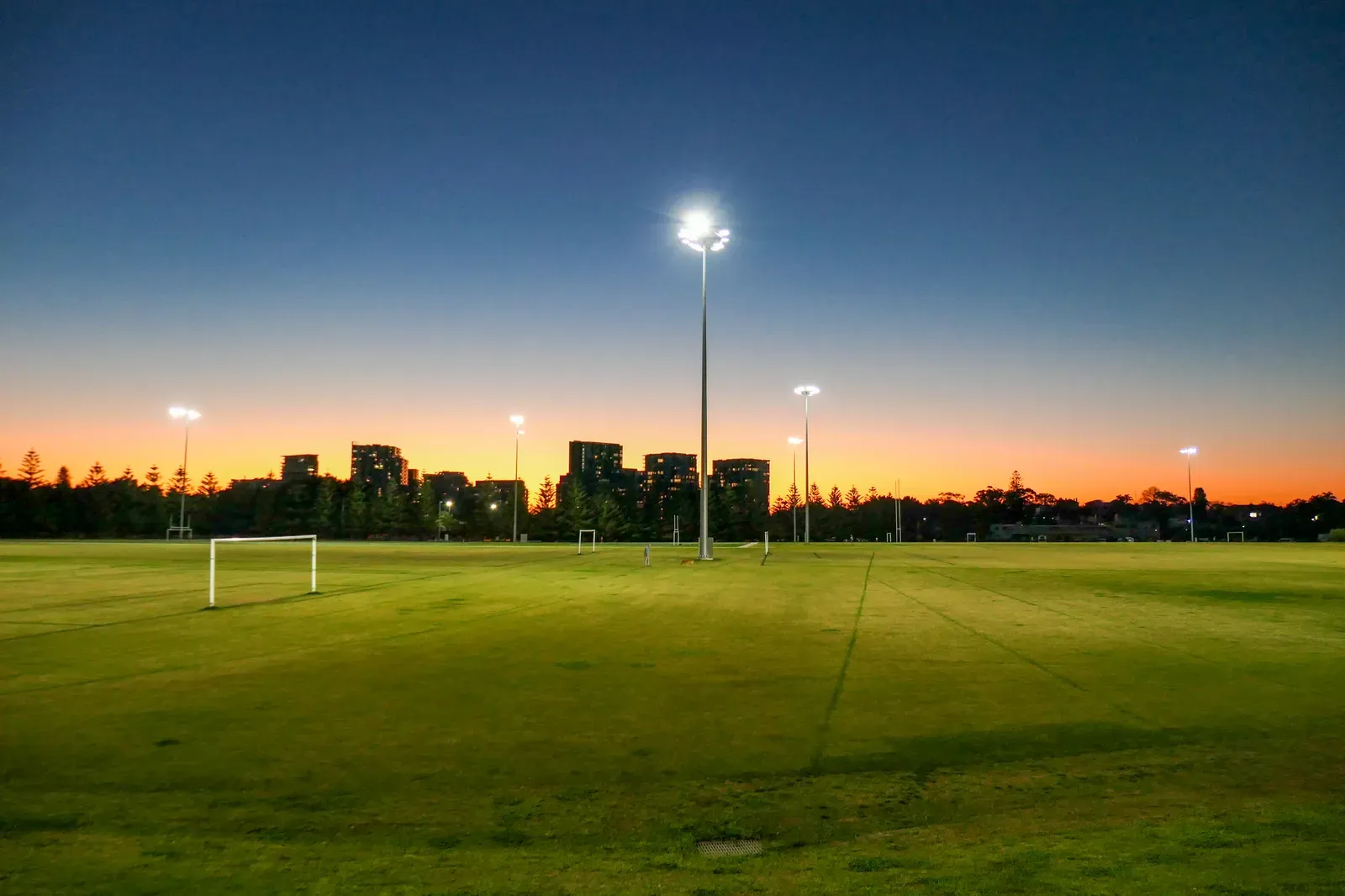
A tournament week at Grand Park does not have to be a lost training week: teams, families, and individual athletes book private rooms by the hour for the days they are in town, running a short daily training block around the game schedule instead of abandoning the program entirely. Coaches traveling with athletes can even make the first booked hour a free first hour. Here is how the block pattern works and who it fits.
What a tournament week actually does to training
Games are competition, not training. A week of matches stresses an athlete without loading the qualities their program is building, and for athletes mid-cycle, strength, speed, and accessory work simply stop unless someone plans otherwise. One missed week is rarely a crisis on its own; the problem is that tournament travel repeats. Families on the circuit can stack four or six travel weeks a season, and those add up to a meaningful hole in a development year.
The fix does not require heroics. A short maintenance dose, a few focused sessions across the week at moderate loads, preserves most of what a full week off erodes, and it fits neatly in the idle hours a tournament schedule creates anyway, the same hours families otherwise spend circling restaurants near the fields.
The block pattern: same room, same hour, all week
The booking mechanics are the easy part. Grand Park sits roughly 10 minutes from Carmel City Center down the US 31 corridor, where FlexWerk rents private, fully equipped rooms by the hour through an app, with no lease and no membership. A tournament block is simply a series of hourly bookings made in one sitting before you travel: Monday through Friday at 7 AM, or whatever the bracket allows. Weekday hours run 5 AM to 9 PM and weekends 7 AM to 4 PM, so morning work before afternoon games is the natural shape; the honest limit is that there is no late evening slot on weekends.
Each room is genuinely private, with a door that closes: a custom lifting rack, cable system, and dumbbells supporting 850+ exercises in a Standard room (150 sq ft, 1 to 2 guests) and 1,100+ in a Plus (200 sq ft, up to 4 guests), plus cardio spaces with HYDROW rowers, CLMBR machines, and curved treadmills. WiFi and a TV in every room mean a remote program travels intact, and garage parking sits a short walk away at 885 Monon Green Blvd.
The block pattern also travels across seasons. Summer tournaments put the training hour in air conditioning instead of a heat index that reaches the humid upper 80s and 90s here, and the winter showcase circuit lands in months averaging around 22 inches of snow, when an outdoor fallback plan is no plan at all. Same booking shape either way.
Who books the block, and how each version differs
- A traveling coach with athletes. The coach claims the professional free first hour, books a Plus room, and rotates athletes through in groups of up to 4, who enter free as the coach’s guests. The full business logic of that model is covered in training visiting teams during tournaments.
- A family without a coach. Parents book a room directly and the athlete runs their club or school program; a parent trains alongside rather than waiting in a lobby. Solo and family bookings start with a host conversation, and a single between-games session version is covered in working out between games at a tournament.
- An individual athlete with a remote program. Older athletes home in on the same pattern used by any traveler: book the hours, film the lifts for the coach who wrote the program, keep the week.
The differences matter mainly for the free hour: the professional first hour belongs to coaches, while the solo free hour is limited to people 18 or older who are local to the Carmel location, so visiting families should simply budget the hourly rate.
The math of a booked week versus a lost one
Run the numbers the way you would any travel expense. Strength rooms cost $18 to $22 per hour, cardio spaces from $12, and a five day daily block totals less than many families spend on one tournament dinner out. Split across up to 4 athletes sharing a Plus hour, the per-athlete cost drops to pocket change relative to what those families already invest in the sport. Against the alternative, another zero-training week in a season full of them, the block is one of the cheapest development purchases available. Longer stays follow the same arithmetic as any extended visit; the stacked-booking approach is detailed in renting gym space for a week.
Booking it honestly
Three practical rules keep the week smooth. Book before you travel, because the calendar is live and shared with more than 40 professionals who train clients in the building daily. Keep sessions short and boring by design; tournament weeks are for maintaining, not testing, and the athlete’s own program should decide the loads. And match the block to the bracket rather than forcing it: a 45 minute morning hour that actually happens beats a perfect plan that collides with a rescheduled game.
If a tournament trip is already on your calendar, set the block up this week: reserve the hours, load the programs, and let the games be the only variable.
Related questions
Can we book the same room at the same time every day of the tournament?
Yes. Rooms reserve by the hour in the FlexWerk app, so a repeating daily block is just a series of bookings made together. Reserve before you travel, since peak slots share a live calendar with the facility's regular professionals.
What does a week of training cost?
Strength rooms run $18 to $22 per hour and cardio spaces start at $12, so a five day block of daily hours costs roughly what one or two private sessions cost at home. Up to 4 athletes can share a Plus room hour.
Do weekend game schedules fit the facility's hours?
Weekend hours run 7 AM to 4 PM, so morning blocks before afternoon games work well, but there is no late evening weekend slot. Weekdays run 5 AM to 9 PM, which covers almost any bracket gap.