
The Menopause Fitness Niche: Premium Rates, Low Competition
The menopause fitness niche is one of the clearest open lanes in coaching: an enormous, motivated clientele, very few trainers positioned to serve them, and a premium price point that reflects both. Roughly half of the adult population will navigate menopause, many of them during their peak earning years, and a growing number are actively looking for a coach who understands what they are working through. Most markets have almost no one credibly raising a hand.
Here is how to build the positioning honestly, and where the hard lines sit.
Why the niche is genuinely underserved
The demand-supply gap exists because the fitness industry historically built its products for 25-year-olds and treated midlife women as an afterthought. That is changing fast on the demand side: women in their 40s and 50s have become a visibly growing strength training clientele, and recent industry surveys suggest about half of clients now prefer a specialist over a generalist. On the supply side, few trainers have done the work to specialize, which means in most cities this clientele chooses between generic bootcamps and nothing.
A specialist who shows up with real programming knowledge and real respect inherits that gap. This is classic niche mechanics: pick an underserved audience you can serve exceptionally, and the market does half your marketing.
What the coaching offer actually is
The offer is strength-first coaching tailored to what this clientele consistently asks for: building and keeping muscle, supporting body composition through a period of change, protecting bone and joint health through progressive loading, and maintaining training consistency when energy and schedules fluctuate. In practice that means intelligent strength programming, sensible conditioning, recovery-aware scheduling, and a coach who adjusts week to week without drama.
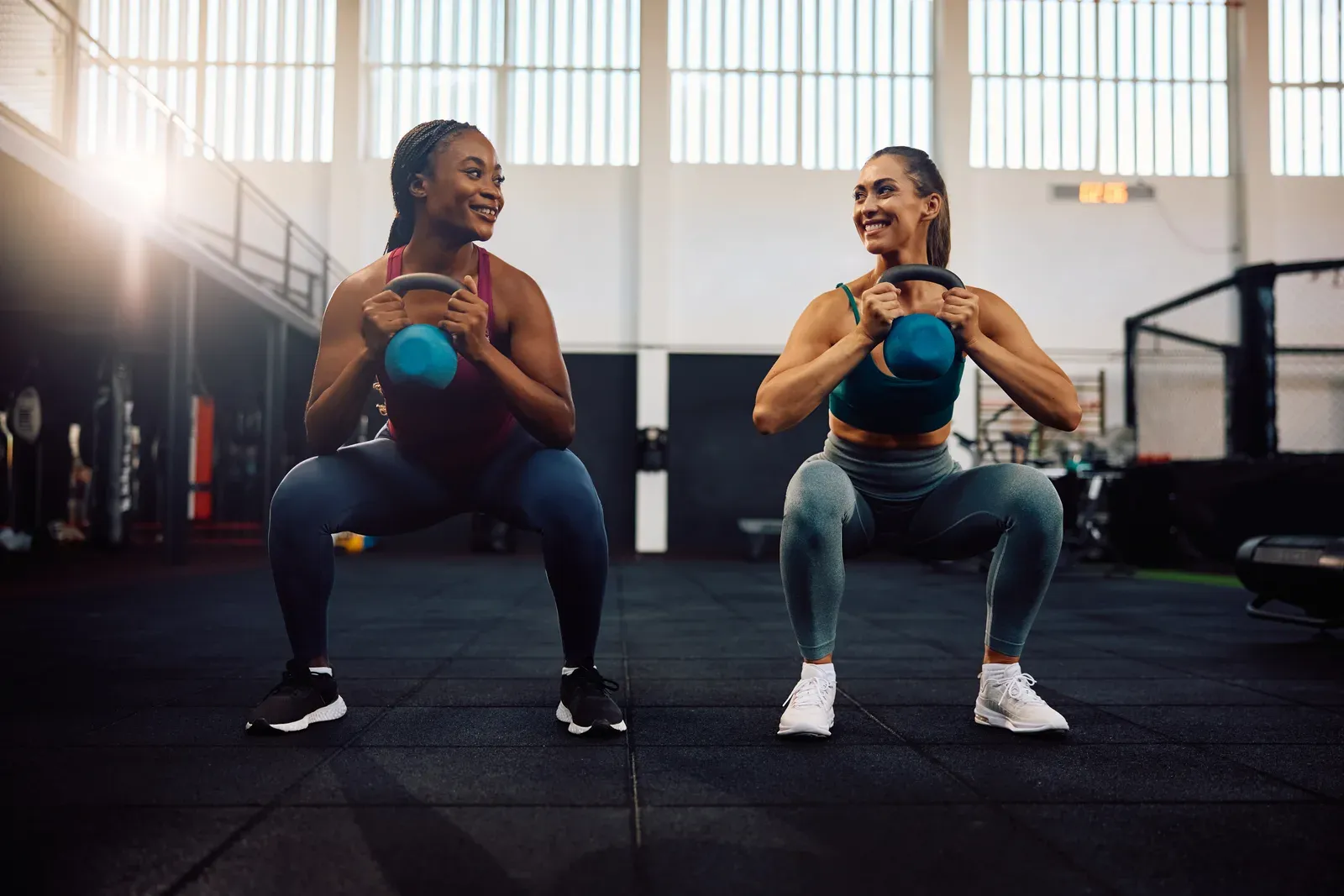
Format-wise, the offer maps cleanly onto standard coaching structures: two or three private sessions a week for clients who want full support, or a hybrid arrangement pairing one in-person session with app-delivered programming for the self-driven. Semi-private pairs also work unusually well here, two friends navigating the same season often train better together, and the format lowers the per-person price without ever discounting your hour.
Notice what is not anywhere in this offer: hormones, treatment, symptom management. Clients will bring those topics up, because they are living them. The credible specialist listens, adjusts training variables where appropriate, and routes medical questions back to the client’s clinicians. That discipline is not a limitation on the niche; it is the thing that makes clinicians comfortable referring to you.
Privacy is the deciding factor most trainers miss
Environment decides whether this clientele stays, and privacy is the feature they mention most. Many of these clients are executives and professionals who have zero interest in working through a physically vulnerable season of life on a crowded gym floor with an audience. A private room removes the biggest unspoken objection before it is voiced.
The privacy advantage compounds with scheduling flexibility. Many of these clients are managing unpredictable sleep and energy, and a coach who can offer daytime sessions in a private room, rather than peak-hour slots on a public floor, removes the second-biggest objection as well. Around Carmel, where nearly a quarter of Hamilton County’s workforce works from home, midday specialist sessions are a genuinely open calendar.
This is where the hourly suite model fits the niche unusually well. A coach can offer a fully private, fully equipped session, custom rack, cables, dumbbells, controlled music and lighting, without carrying a studio lease, and the first hour at FlexWerk is free if you want to run a pilot session before committing to the niche at all. In the Carmel market specifically, the clientele is right outside the door: a city of roughly 105,600 with a median household income of $141,505, dense with professional women in exactly this life stage who can afford, and expect, a premium service.
Building credibility without overclaiming
Credibility in this niche is earned through education plus restraint, and both are marketable. On the education side, a focused course sharpens your programming and gives prospective clients a signal that you take them seriously; whether the investment pays back is examined honestly in is a menopause training certification worth it, and the broader craft of committing to one audience is covered in how to niche down as a trainer. On the restraint side, your marketing should promise what training can deliver, strength, capability, consistency, support, and conspicuously decline to promise symptom outcomes. In a corner of the internet full of hormone-hack content, the coach who refuses to overclaim reads as the trustworthy one.
Referral relationships compound this. Local physicians, pelvic-floor physical therapists, and dietitians all see this clientele daily and have nowhere reliable to send them for training. One coffee meeting a month with adjacent professionals will build this roster faster than any ad campaign.
Where the niche leads
The menopause niche is also a doorway rather than a dead end. Clients who train through this season with you tend to stay for the next one, which flows naturally into the broader longevity positioning: strength and capability for the decades ahead. A specialist roster of fifteen committed clients in this niche, trained privately at specialist rates, is a durable business by itself, and it retains in a way generalist rosters never do.
If the niche fits you, start small and real: one pilot client, one private suite, one quarter of programming that takes her goals seriously. The reputation builds itself from there.
Related questions
Do I need a certification to coach clients in this niche?
No law requires one, but focused education sharpens your programming and signals seriousness to a clientele that has often been dismissed elsewhere. Whether a course pays for itself depends on your commitment to the niche.
What makes this niche premium-rate?
Specialist positioning, underserved demand, and a clientele in their peak earning years who value privacy and competence. Specialists who serve a specific audience well typically command more than generalists.
What is out of scope for a trainer here?
Anything medical: hormones, medications, therapy options, and symptom treatment belong with the client's clinicians. The trainer's lane is strength, body composition support, and consistent habits.