
Marketing to GLP-1 Clients Without Being Weird About It
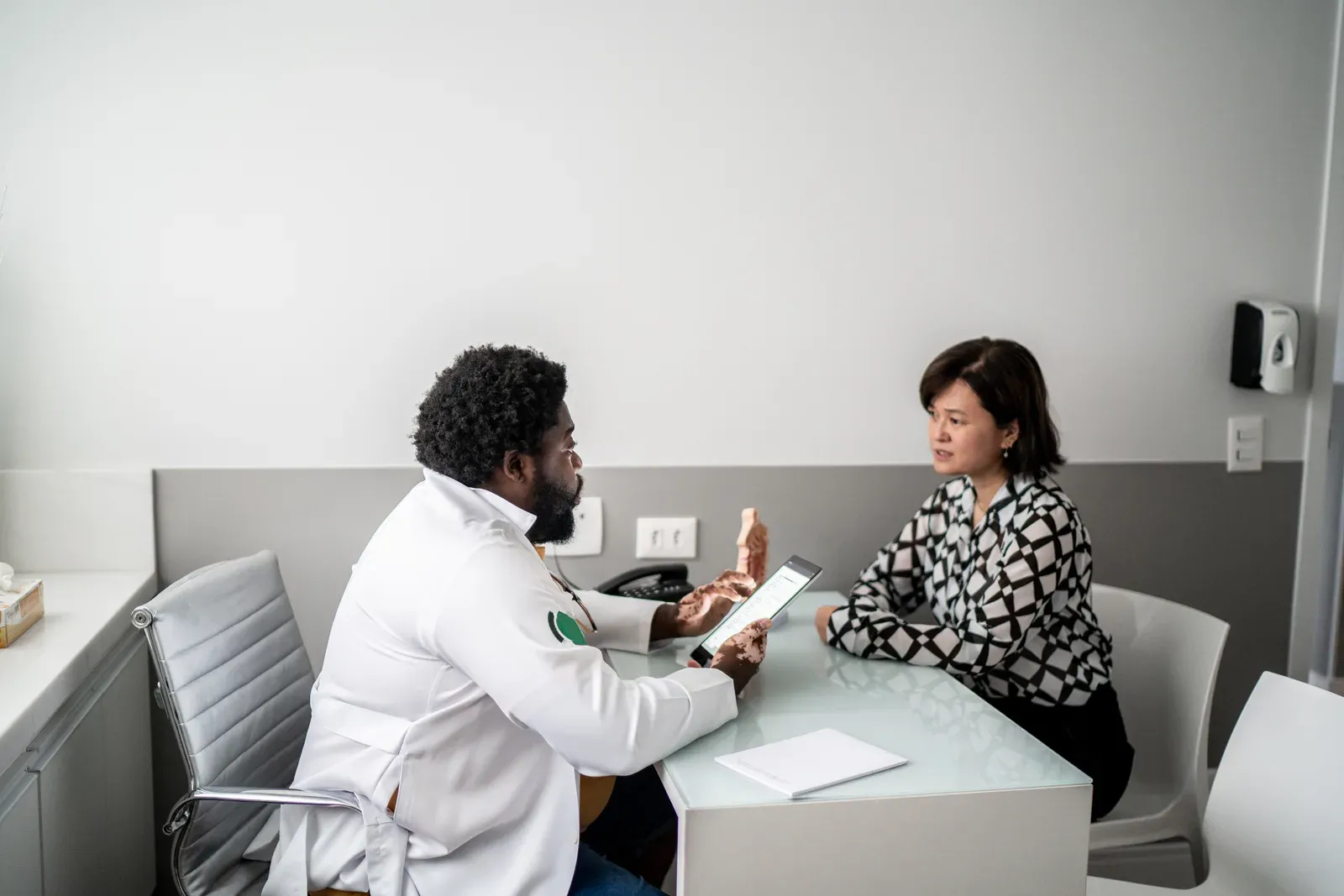
The trainers winning GLP-1 clients almost never lead with the medication: they lead with what the medication cannot do, which is build strength, protect muscle, and make results permanent. That framing is the whole trick. It respects the client’s privacy, keeps you safely inside coaching scope, and positions you as the missing half of a plan they have already committed to.
Get it wrong and the same niche turns radioactive: shame-tinged ads, medical-sounding claims, and medication clickbait repel the exact clients you want. Here is how to market to this audience like a professional.
Understand who this client is before you write a word
The typical GLP-1 client in a market like Carmel is a busy professional in their 40s or 50s, financially comfortable, medically supervised, and quietly self-conscious. Carmel’s median household income is around $141,505 and the city hosts more than 100 corporate headquarters, so the local version of this client is often an executive who made a private medical decision and wants competent, discreet support around it.
Three things follow from that profile:
- They do not want to be a before photo. Marketing that dramatizes their starting point loses them instantly.
- They already believe in expert help. They are paying for medical care; hiring a coach is a natural extension, not a leap.
- They fear two specific things: losing muscle while the scale drops, and regaining everything later. Speak to those fears and you barely need to mention the drug at all.
That profile also explains why the setting you sell matters as much as the sentences you write: a private training suite promises discretion before you say a word.
Messages that work, and the tone that carries them
Lead every piece of content with the client’s next problem, not their old one:
- “Losing weight is step one. Keeping your strength is step two.”
- “I help clients on GLP-1 medications build the muscle and habits that make results permanent.”
- “The medication changes your appetite. Training changes your body.”
Notice what those lines never do: promise weight loss (the medication and physician own that), mention dosage or brands, or imply judgment about taking medication in the first place. Neutral, respectful, and forward-looking beats edgy every time in this niche. Skip the “shortcut” discourse entirely; whatever your personal take, arguing about it in public costs you clients and referral partners.
Proof helps, but handle it carefully. Client stories require written permission and honest context, and progress framing should emphasize strength gained and habits built rather than dramatic body reveals. Our guide to before and after photos covers where the ethical lines sit.
The channels: referrals first, search second, social third
Referral partners are the crown jewel. Prescribing physicians, nurse practitioners, and med spas get asked about exercise constantly and have nowhere reliable to send people. A short, professional outreach note works: who you are, how you program for clients on these medications, how you stay in scope, and how a patient can reach you. Follow up with results, communicated respectfully. In Hamilton County, organizations like the OneZone Chamber, with roughly 1,400 member businesses across Carmel and Fishers, are a practical way to meet these providers face to face.
Local search is quietly powerful. “Trainer for GLP-1 patients” style searches are growing and thin on competition. Put the phrase, in plain professional language, on your Google Business Profile and website. Pair this with the broader positioning work in how to niche down as a trainer.
Social content should educate, not bait. Short videos answering real questions (“How do I keep muscle while losing weight?”, “What should training look like on reduced appetite?”) build authority with both clients and referring providers. Film them in a clean, private setting; a clickbait thumbnail undoes months of physician trust.
The lines you do not cross
This niche punishes sloppiness, so make these rules house policy:
- No medication advice, ever. Not in ads, captions, comments, or DMs. “Talk with your prescriber, and I will program around the plan” is the only correct answer.
- No outcome guarantees or timelines. You do not control the medication variable, and guarantees are amateur marketing anyway.
- No medical costume. Avoid words like “protocol,” “treatment,” or “supervision” for your coaching. You are a trainer, and that is enough.
- No exploiting insecurity. Fear-based marketing may click, but it attracts one-off buyers and repels the referral network that compounds.
Honest caveat: playing it this straight means your content will be less viral than the loud stuff. That is the trade. You are optimizing for a small number of high-value local clients and the professionals who refer them, not for strangers’ outrage engagement.
Let the experience close the sale
For a self-conscious client, the first session is the real marketing. A crowded gym floor contradicts every promise your messaging just made; a private room keeps it. This is why coaches serving this niche gravitate to private-suite formats: your music, your lighting, a door that closes, and no audience while a client rebuilds confidence. More than 40 fitness professionals run their businesses from FlexWerk at Carmel City Center for exactly this kind of clientele, and your first hour in a suite is free, so you can let a prospective GLP-1 client feel the difference before they commit to anything.
Consultations deserve the same care: private setting, zero judgment, questions about goals and strength rather than weight history. Done well, the consult itself becomes the story clients tell their friends on the same medication, and this niche refers heavily within itself.
Pick one referral relationship to start this month, put the phrase on your profiles this week, and book a suite hour to see what the environment adds to your pitch.
Related questions
Should trainers name specific GLP-1 drugs in their marketing?
It is safer and more professional to say 'GLP-1 medications' generally. Naming brands can read as endorsement, drifts toward medical territory, and dates your content quickly.
Can a trainer advertise that they help people on weight-loss medication?
Yes, as long as the message stays in coaching scope: strength, habits, and keeping results. Never imply medical supervision, outcomes with the drug, or advice about taking it.
What is the best referral source for GLP-1 clients?
Prescribing practices and wellness providers. They constantly field 'what about exercise?' questions and will refer to a coach who demonstrably stays in lane and communicates professionally.