
Hospitality Touches That Make Private Training Feel Premium
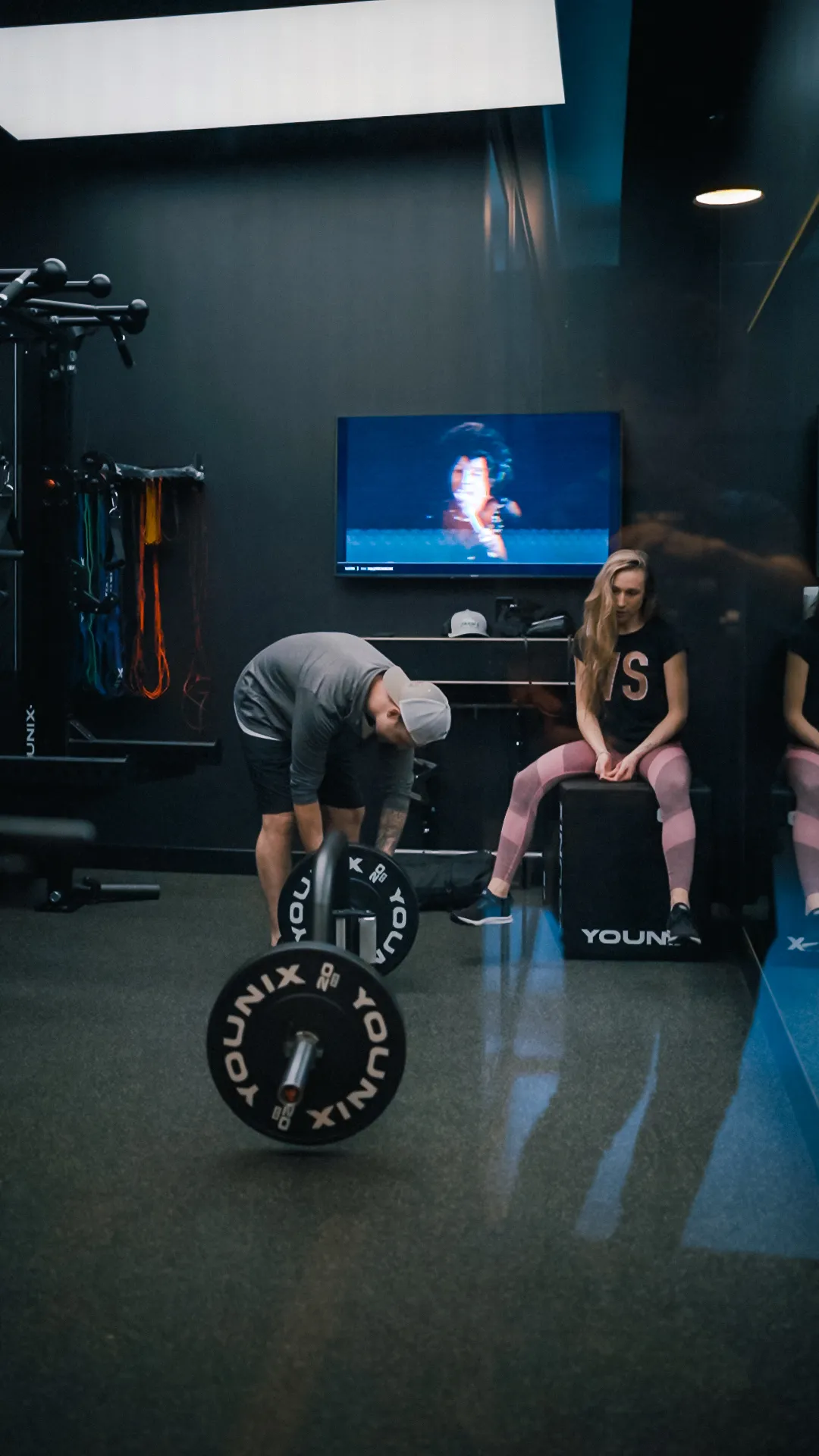
A luxury personal training experience is built from a handful of small, repeatable details, not expensive add-ons: the room ready before the client walks in, a calm arrival with nothing to sign or swipe, focused attention for the full hour, and a follow-up message after, all of which a private FlexWerk suite in Carmel makes easy to deliver every single time. None of these touches cost extra, and the easiest way to feel the difference is a first hour that costs a working trainer nothing.
Before the client arrives, the room should already be theirs
Hospitality starts before anyone walks in. A session that opens with the coach still racking weights or fumbling for the right cable attachment reads as unprepared, no matter how good the coaching turns out to be. Setting up the room five minutes early, with equipment staged for the plan, the right music queued, lighting set rather than harsh overheads, and the screen ready if the session includes video, turns the first minute into confirmation instead of setup. A closed door helps here too: nothing about the room needs explaining to a stranger who is not there.
The first ninety seconds decide the whole tone
Clients read an enormous amount into how a session opens. A greeting by name, eye contact instead of a glance at a phone, and a door that closes behind them without a front desk conversation in between tells a client the hour has already started working in their favor. Compare that to a big-box arrival: a scan, a hallway, a shared floor to navigate before training even begins. In a private suite, that entire sequence collapses into a handshake and a closing door, and the contrast is one reason clients in premium, private settings rarely question the rate once they have felt it.
During the session, small signals beat big gestures
Attention is the actual luxury good in personal training, and it shows up in details bigger amenities cannot replace:
- Using the client’s name and their own language, not generic cues copied from a certification manual.
- Keeping a phone out of sight, a message that can wait for fifty-nine minutes usually can.
- Narrating the plan briefly at the top of the hour, so the client knows what is coming and why, rather than following silently.
- Noticing and naming small wins in the moment, a cleaner rep, a heavier set, an easier warm-up than last week.
- Controlling the room’s sound and light for the client in front of you, not for whoever trained there an hour earlier.
None of these require a bigger room or a fancier building. They require a coach who is fully present for one client at a time, which is the entire premise of a private booking in the first place.
Matching the touch to the client, not a script
The same ritual does not land identically with every client, and treating hospitality as a fixed checklist misses that. Some clients want quiet focus and minimal chat between sets; others want the session to open with two minutes of catching up before the work starts. Some prefer the room silent; others want music the whole hour. None of that shows up on a generic hospitality list, it shows up from paying attention across the first few sessions and adjusting, then holding that version consistently for that specific person. A coach who remembers a client prefers the lights slightly dimmer, or always wants the harder exercise first while they still have energy for it, is delivering a more genuinely premium experience than one running an identical polished routine for everyone.
Why none of this depends on amenities
The instinct many trainers have is to chase amenity language, extras a rented hourly room was never built to offer and a client rarely asks for anyway. Hospitality in a service business is mostly behavioral, not architectural: attentiveness, preparation, and follow-through cost nothing to add and require no square footage a private suite does not already have. A trainer who nails the behavioral side in a simple, well-equipped room out-hospitalities a trainer with a fancier building and none of the habits above.
After the session, the follow up most trainers skip
Hospitality does not end when the hour does. A short message that evening, confirming the next booking and naming one thing that went well, closes the loop most trainers leave open. It costs two minutes and does more for retention than almost any other single habit on this list, because it tells the client they were thought about after they left the room, not just while they were paying for it. Trainers who position around this kind of client experience rather than around price tend to find the retention conversation gets easier, not harder, as their rates rise.
What not to promise
Hospitality touches work because they are honest and repeatable, not because they mimic a spa. Do not promise anything the setting cannot actually deliver, session by session. The version of luxury that holds up is the one built entirely from things fully within a coach’s own control: preparation, attention, and follow-through. Those three things are available at every single hour, whether it is a client’s first session or their three-hundredth, and that consistency, not any single flourish, is what a client, including the affluent clients this market attracts, is actually paying the premium for.
One small ritual worth trying this week: pick the single touch above you already do least consistently, and run it for every client for a month before adding a second one. Consistency, not novelty, is what a client eventually calls loyalty.
Related questions
Do hospitality touches only matter for high paying clients?
No, they matter most early, when a new client is deciding whether the price was worth it. A strong first few sessions built on preparation and attention set the retention pattern for the whole relationship, regardless of rate.
What is the single highest impact hospitality habit?
Room readiness before the client walks in. A session that starts on time, staged and ready, sets every other impression that follows; a scramble at the start undoes good coaching faster than almost anything else.
Can hospitality touches replace a weak program?
No. Attentive service around thin programming reads as friendly but forgettable. The touches work because they wrap a genuinely good session, not instead of one.