
Esports Performance Coach Space in Carmel
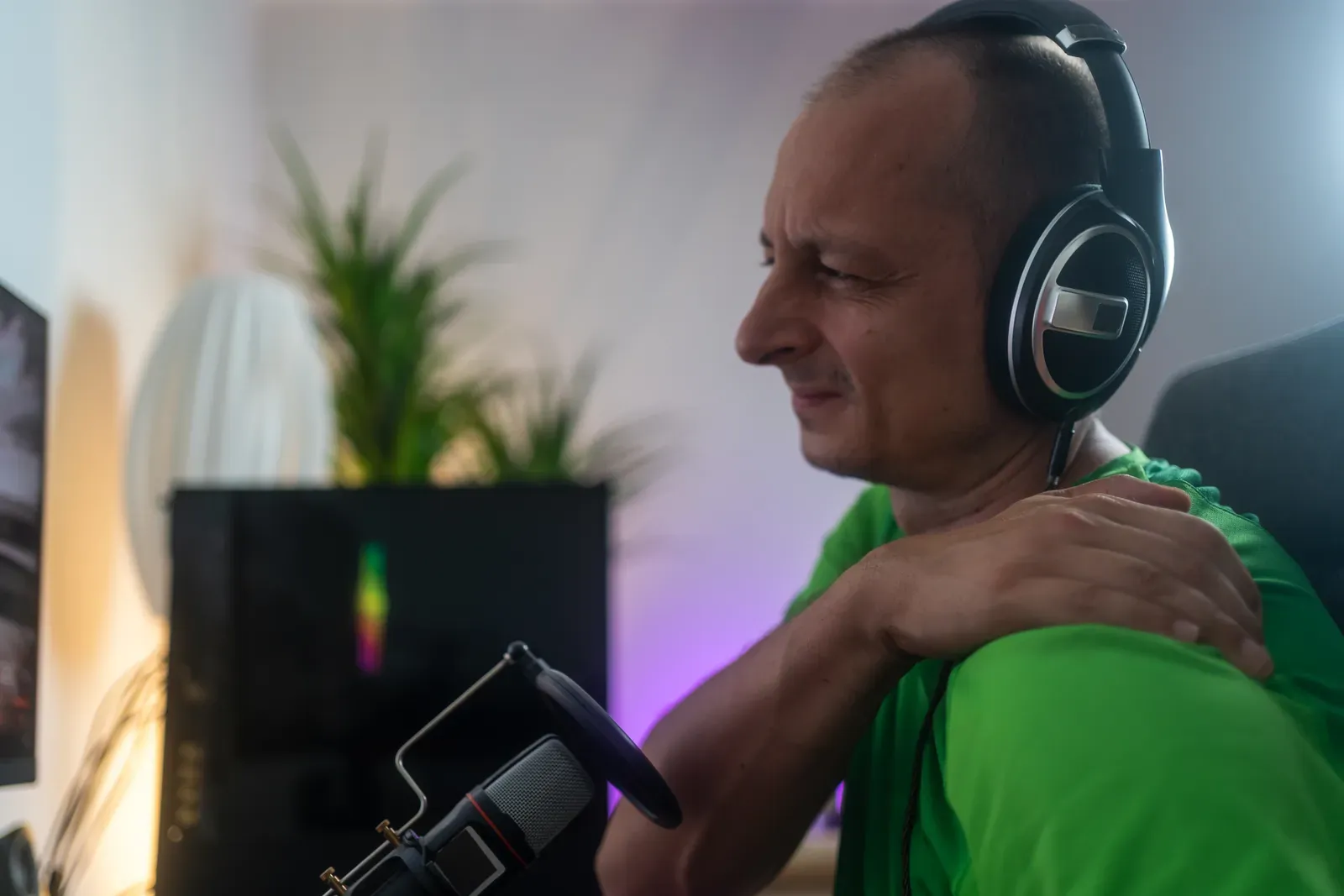
Competitive gaming finally admitted it has a body problem. Teams talk openly about conditioning, parents of teen competitors worry about posture and stamina, and a physical-performance layer has become a normal part of serious esports culture. The physical side of esports coaching, posture, strength, conditioning, and movement habits, is a real training niche, and it suits a private room because this clientele mostly hates gyms. At FlexWerk in Carmel, the sports performance facility hosts exactly this kind of practice, one reserved room at a time.
Why gamers buy physical coaching at all
The pitch is performance, not health lectures. Long competitive sessions are a physical event: hours of static sitting, thousands of fine-motor repetitions, and cognitive output that degrades as the body fatigues. Competitors notice that their play falls apart late in sessions, and parents notice their teenager folding into a question mark. School and collegiate esports programs are spreading, which is normalizing the idea that competitors train like athletes. The coach who frames sessions around stamina, focus durability, and posture under fatigue is selling something a competitor actually wants, rather than a gym habit they have already rejected.
What sessions look like in a private room
The programming is unglamorous and effective, which is exactly why it needs a coach. Sessions in this niche commonly build around postural strength, upper-back pulling and trunk work on the cable system, hinge patterns and loaded carries with dumbbells, and general conditioning for the stamina piece, with the cardio spaces’ HYDROW rowers, CLMBR machines, and curved treadmills starting at $12 per hour. Between-session homework, movement breaks and desk-posture habits, gets demonstrated on camera: film the pattern on a phone, review it on the room TV over WiFi, and send the clip home. Keep the scope clean; wrist, neck, or eye complaints go to clinicians, and the coach stays on capacity and habits.
The room itself does heavy lifting with this clientele. Gym-averse teenagers and adults will train behind a closed door in ways they never would on a public floor, and a 150 sq ft Standard space with the client’s own music playing removes every social objection at once.
A first engagement can be as simple as eight weeks, one session per week: pulling strength and carries progressing steadily, a conditioning piece on the rower or climber, and one desk habit installed each week as homework. Small enough to say yes to, structured enough to produce a visible retest at the end.
The Carmel client base runs deeper than teenagers
The teen competitor funded by a watchful parent is the anchor client, and Carmel has the demographics for it: median household income north of $141,000 and a family culture that already pays specialists for every other youth pursuit. But the same programming serves a much larger adult population, because a competitive gamer’s physical profile is an office worker’s profile at higher intensity. Carmel hosts more than 100 corporate headquarters, the Meridian corridor holds Indiana’s second-largest concentration of office workers, and 23.3 percent of Hamilton County works from home; the desk-bound professional version of this practice is mapped in the lunchtime executive guide, and the postural specialty itself in the posture specialist guide.
Sessions for students land after school and evenings, adults fill midday, and facility hours, Monday to Friday 5 AM to 9 PM, weekends 7 AM to 4 PM, cover both.
The parent conversation is its own skill, because the parent is usually the buyer and the skeptic. Frame the service in their language: posture, energy, steadier routines, and a weekly hour of movement that does not require quitting anything. Most parents are not trying to end the gaming; they are trying to add ballast to it, and the coach who respects that distinction closes the enrollment.
Building credibility in a skeptical niche
Esports audiences smell marketing instantly, so let structure and measurement do the persuading. Baseline the observable things within fitness scope, posture photos, carry and pull strength, conditioning benchmarks on the rower, and retest on a schedule; a teenager who watches their numbers climb becomes the practice’s best recruiter. Parents are welcome in the room, since clients of professionals receive free guest access, and the filming-friendly setup means consented progress clips become content that speaks this community’s language. Certification-wise, the niche is served by general training credentials plus the corrective and conditioning ecosystems, described plainly; there is no need to overclaim a specialty the field has not standardized.
The business by the hour
The economics fit a practice that starts small. Rooms rent for $18 to $22 per hour through the FlexWerk app, you keep 100 percent of what you charge, and no lease sits underneath while the niche finds its local footing. The facility at 885 Monon Green Blvd at Carmel City Center, garage parking a short walk away, puts you in a building where more than 40 fitness professionals already run hourly businesses, and a hybrid offer, in-person sessions plus remote habit check-ins, matches how this clientele already lives online. Protect evenings and weekends for students, sell midday to the remote-work adults, and expect the niche to grow toward school partnerships over time; a coach with a clean scope record and a professional room is who those programs will call first.
Tour the facility, stand in a room, and picture your most screen-bound client in it; if the pitch writes itself, the niche is yours to build.
Related questions
Is this gameplay coaching or physical training?
Physical training only. Gameplay, strategy, and in-game skill coaching are a separate profession; this practice covers the posture, strength, conditioning, and movement habits underneath long competitive hours.
What about wrist or neck pain?
Pain is a clinician's territory. A performance coach trains capacity and habits within fitness scope and refers discomfort or injury questions to the client's physician or a licensed provider.
What does the space cost a coach?
Rooms rent for $18 to $22 per hour through the FlexWerk app with no lease or membership, and fitness professionals get their first hour free.