
Commercial Space for a Fitness Business in Carmel: A Shopper's Guide
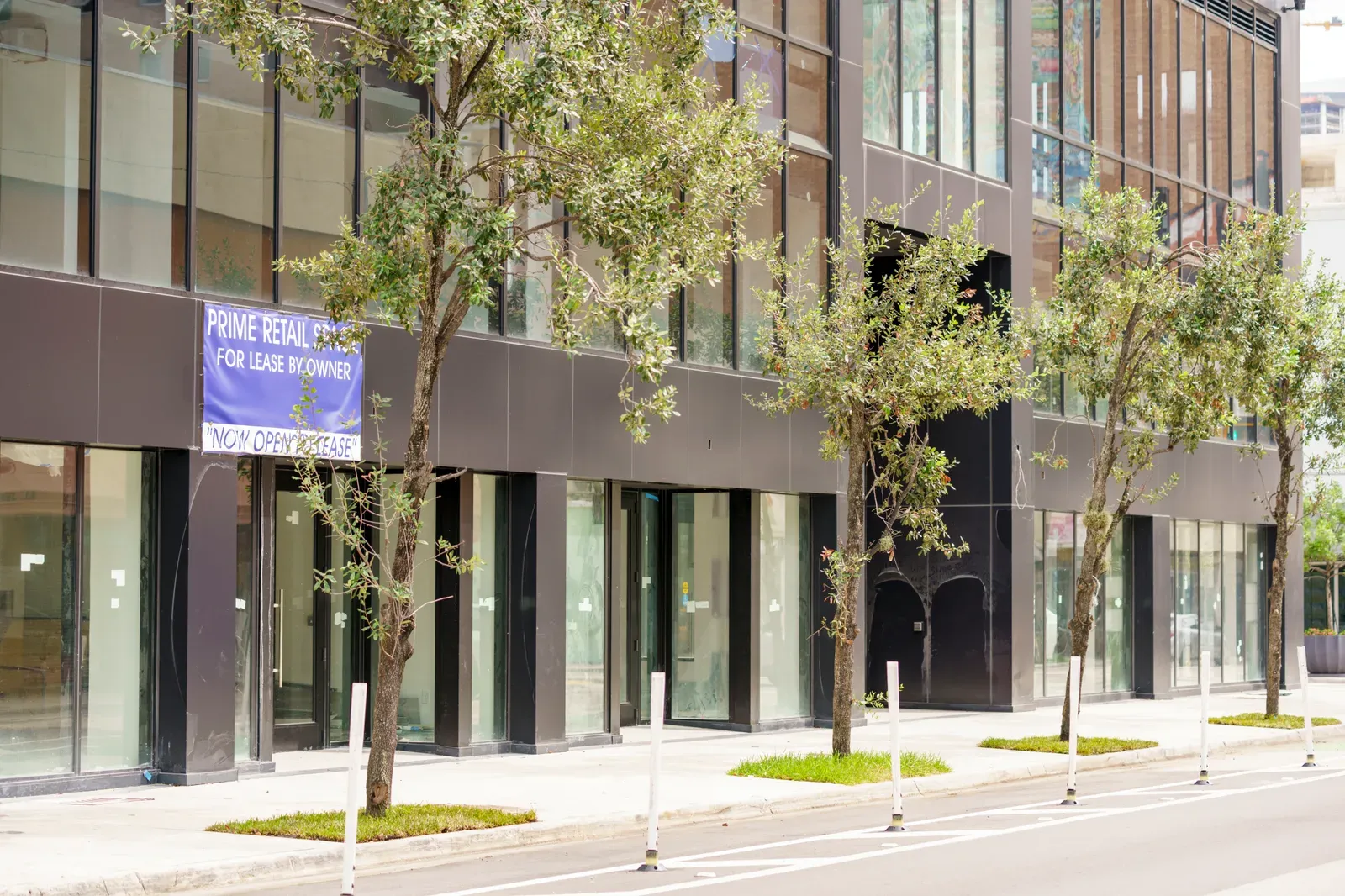
Shopping for commercial space for a fitness business in Carmel means learning a language, use approvals, NNN pass-throughs, CAM reconciliation, TI allowances, escalation clauses, in which every term moves money from your side of the table to the landlord’s. This guide decodes that language for the coach or studio founder touring spaces this quarter, is honest about when signing is genuinely the right move, and covers the no-lease alternative that lets you prove the business before the business owes rent.
Step one: can the space legally hold a gym?
Before falling for any storefront, establish that fitness use is even on the menu. Commercial properties carry permitted-use frameworks, and a training studio is not interchangeable with an office or a boutique in the eyes of a city or a landlord. Three questions filter a listing in minutes. Does the property’s zoning and the landlord’s use clause allow fitness or recreation use, and will the lease say so explicitly? Can the building physically tolerate the use, since rhythmic noise and vibration travel through shared walls and floors, and neighbors in a mixed-use building complain in writing? And does the parking arrangement survive your busiest hour, when every client arrives at the top of the hour at once? Bring your equipment plan to every tour as well, since floor loading, ceiling height, and ventilation quietly disqualify spaces that photograph beautifully. Carmel takes its planning and its streetscapes seriously, so treat sign-off from the city and the landlord as milestone one; requirements vary by property and project, and your broker and the planning department are the sources that count, not a listing site.
Reading the lease: where the real number hides
The advertised rate per square foot is an opening statement, not a price. Commercial fitness tenancies are commonly structured as triple net, meaning the property’s taxes, insurance, and common-area maintenance land on top of base rent as pass-throughs, with CAM charges reconciled annually and capable of jumping when the property’s own costs do. Add scheduled escalations, base rent stepping up each year of the term, and the standard ask of a multi-year commitment, five years being a common opening position, often backed by a personal guarantee from a first-time operator. The build-out question is negotiated in the same breath: whether the space arrives as a bare vanilla shell or a second-generation fitness space, and how much tenant improvement allowance the landlord contributes toward flooring, ventilation, and finish work, moves tens of thousands of dollars in one clause. What the full opening budget looks like once equipment and reserves join the sheet is itemized in what opening a studio actually costs, and the Carmel-specific pressures on that sheet in the cost to open a gym in Carmel.
The discipline that protects you is simple: model the all-in occupancy cost, base rent plus every pass-through plus amortized build-out, in the worst month of your projection, and negotiate the lease against that number. A space you can only afford in your best month is a space you cannot afford.
When signing is genuinely the right call
Commercial space is not a trap; it is a tool sized for particular businesses, and a shopper should know honestly whether theirs is one. The lease earns its cost when the format requires a floor no shared facility offers, class-based models with real headcount, equipment-heavy concepts that need permanent specialized installations, or a multi-coach brand running high combined volume under one roof. It also earns its cost when street visibility is itself the marketing plan, because a storefront works on passersby every day the way no private room can. If two of those describe your model and your client demand is already proven, negotiate hard, cap what you can, and build. If the honest driver is wanting to look established, the lease is buying a feeling at commercial rates, and the middle options deserve a look first, including the informal end of the market examined in the Carmel studio sublet reality.
The on-ramp most lease shoppers never price
Here is the option missing from every commercial listing tour: skip the term entirely and rent the finished product by the hour. At FlexWerk in Carmel City Center, 885 Monon Green Blvd with garage parking a short walk away, each private room comes fully equipped and reserves through an app for $18 to $22 an hour, with cardio rooms from $12, and carry no lease, no CAM line, no build-out, and no guarantee bearing your signature. The rack, cable system, dumbbells, WiFi, and controllable lighting are already installed, the hours run 5 AM to 9 PM on weekdays and 7 AM to 4 PM on weekends, and the building already houses the businesses of more than 40 fitness professionals.
For a founder still shopping, this is less a competitor to the lease than a sequencing tool. Every hour booked is demand data: real clients, at real rates, in the real market you intend to lease into. Run the business hourly for two quarters and you arrive at any future lease negotiation holding revenue history instead of projections, which changes both what you can afford and what a landlord will believe. And if the hourly version simply keeps working, you may discover the lease was never the goal, just the assumed container for it.
Tour a listing or two, run the all-in math with your broker, and then spend one hour in the no-lease version, free for a fitness professional’s first booking, before deciding which container your business actually needs.
Related questions
Can any commercial space in Carmel be used for a fitness business?
No. Fitness use has to be permitted at the property, and landlords in mixed-use buildings scrutinize noise, vibration, and parking impact. Confirm allowable use with the city and the landlord before spending anything on a specific space.
What do NNN and CAM mean on a fitness lease?
Triple net terms pass the property's taxes, insurance, and common-area maintenance costs through to the tenant on top of base rent. Budget from the all-in occupancy number, never the advertised rate, and expect an annual reconciliation.
How long do commercial fitness leases run?
Multi-year terms are standard, with five years a common ask and annual escalations built in. Shorter terms are negotiable but usually trade away build-out contributions from the landlord.