
Where to Run Athlete Testing Days: The Private Room Setup
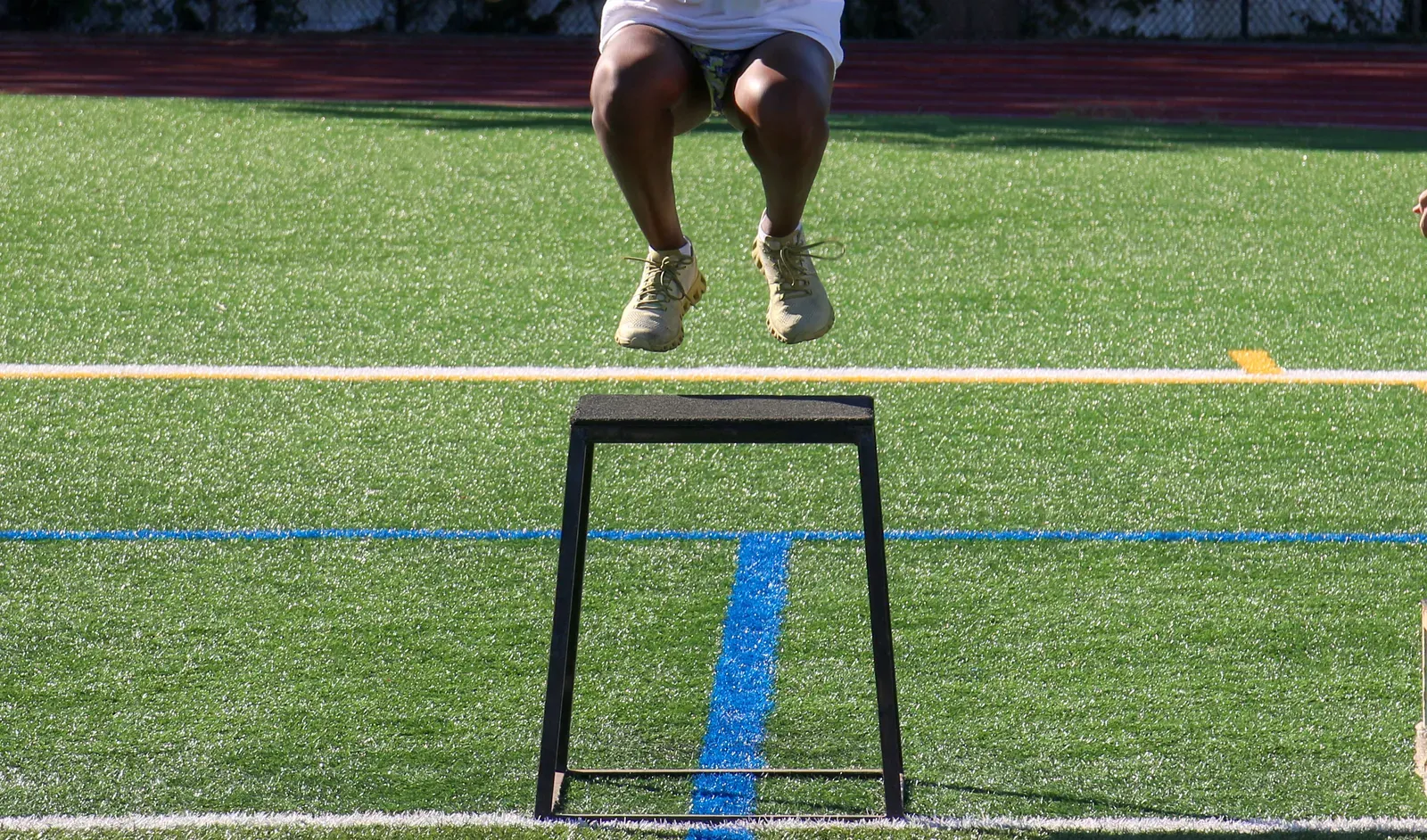
Run athlete testing days in a private hourly room for everything that benefits from control, strength baselines, jumps, and conditioning tests, and schedule a separate field segment for the sprints. That split is the honest version of a combine-style day, and the indoor half books cleanly at FlexWerk in Carmel: a private room from $18 per hour, reserved as a block in the app, with the first hour free for fitness professionals.
Here is how performance coaches structure the day, what genuinely fits indoors, and why privacy improves the data.
Why testing belongs in a private room
Testing is measurement, and measurement wants a controlled environment. A private room gives every athlete the identical setup: same equipment, same floor, same temperature, same silence before a max effort. Run the retest in the same room next quarter and the numbers are actually comparable, which is the entire point of testing.
Privacy also changes the athlete. Teenagers especially perform and report differently with an audience; a nervous 15 year old grinding a jump test in front of strangers is not producing a true baseline. One athlete, one coach, one closed door produces honest efforts, and it keeps each athlete’s numbers confidential, which parents notice and appreciate. A parent watching quietly from the corner is easy to accommodate; clients of trainers receive free guest access, so nobody pays at the door.
What fits indoors, honestly
A 150 sq ft Standard room or 200 sq ft Plus room covers more of a testing battery than coaches expect, with clear limits:
- Strength baselines. Rep-max and controlled loading tests on the custom lifting rack, cable strength standards, dumbbell tests, and carries. Test with strict control; a private room is not the place for maximal attempts without margin.
- Jump testing. Vertical jump measured with your own jump-testing device or a slow-motion phone setup reviewed on the room’s TV.
- Conditioning tests. Cardio spaces carry curved treadmills for self-paced sprint efforts and repeat-effort protocols, HYDROW rowers for timed distance pieces, and CLMBR machines for climbing intervals, all of which produce clean, repeatable numbers.
- Measurements. Height, weight, girths, and movement screens, handled with the same privacy as any assessment.
What does not fit: linear sprints, flying tens, agility ladders, and change-of-direction tests, which need runway no private room provides. Do not fake them; schedule a short outdoor segment at the athlete’s field, or in season-friendly months use the Monon Trail, which runs steps from the building’s door, for timed run pieces. Bring your own timing gates and measurement tools for that half; specialty measurement gear is bring-your-own throughout.
Running the day: slots, blocks, and flow
Structure the day as a block booking with individual slots. Reserve three or four consecutive hours in one room through the app, then schedule athletes into 30 minute slots: ten minutes of standardized warmup, fifteen of testing, five of buffer and data entry. Six to eight athletes fit a morning that way, each getting a genuinely private test. Use a Plus room if you want pairs to share a warmup, remembering the hard cap of 4 guests in the room.
The venue math stays small: four stacked hours run $72 to $88 at the $18 to $22 hourly rate, a cost most coaches fold into their testing-day fee several times over. Book the block early, especially on weekends, where hours run 7 AM to 4 PM; weekdays stretch 5 AM to 9 PM. The building at 885 Monon Green Blvd in Carmel City Center has garage parking a short walk away, which parents shuttling athletes will thank you for. The wider mechanics of holding a room all day are covered in renting a gym for a day.
The local pipeline that makes testing days a business
In this market, testing days are not a novelty; they are a front door. Grand Park in neighboring Westfield spans 400 acres with 31 multipurpose fields and 26 diamonds and draws roughly 1.5 million visitors a year, and the families in that ecosystem already invest seriously in athletic development. A quarterly baseline day with a clean report is one of the most persuasive offers a performance coach can put in front of them, because it shows the parent a number, then shows them the plan to move it.
The business logic follows naturally: test, prescribe a training block, retest. The training blocks live in the same rooms, which is the model laid out in the strength coach’s private gym setup, and each retest day demonstrates your value with the athlete’s own data.
The report is half the product, so build it into the day. Enter numbers as you go, and hand each athlete a one page summary within a day or two: this quarter’s results, the change since last quarter, and the two or three training priorities the data points to. Keep every athlete’s report private to their own family; leaderboards feel motivating to the top three and corrosive to everyone else. Standardize your units and test order now, because a report is only as credible as its consistency, and let a quarterly retest cadence set the program’s rhythm. The improvement line on that one page renews training blocks more reliably than any sales conversation.
Pilot the format before you sell it. Claim the free first hour, run one athlete through your full indoor battery, and time everything; the schedule you build from that single hour becomes the template for every testing day after it.
Related questions
What testing equipment is in the room?
The room provides the strength and conditioning base: a custom lifting rack, cable system, dumbbells, and in cardio spaces HYDROW rowers, CLMBR machines, and curved treadmills. Measurement tools such as timing gates, jump-testing devices, and dynamometers are yours to bring.
Can I test more than one athlete at a time?
A FlexSpace Plus holds up to 4 guests, which suits a shared warmup, but most coaches test one athlete at a time in scheduled slots. Private, single-athlete testing produces cleaner efforts and keeps every athlete's numbers their own business.
What about sprint and agility testing?
Linear speed and change-of-direction tests need open runway a 150 to 200 sq ft room cannot provide. Pair the indoor block with a field or outdoor segment; curved treadmill sprint efforts cover repeat-speed work indoors.