
Weather Cancellation Policy for Trainers: Snow and Storms
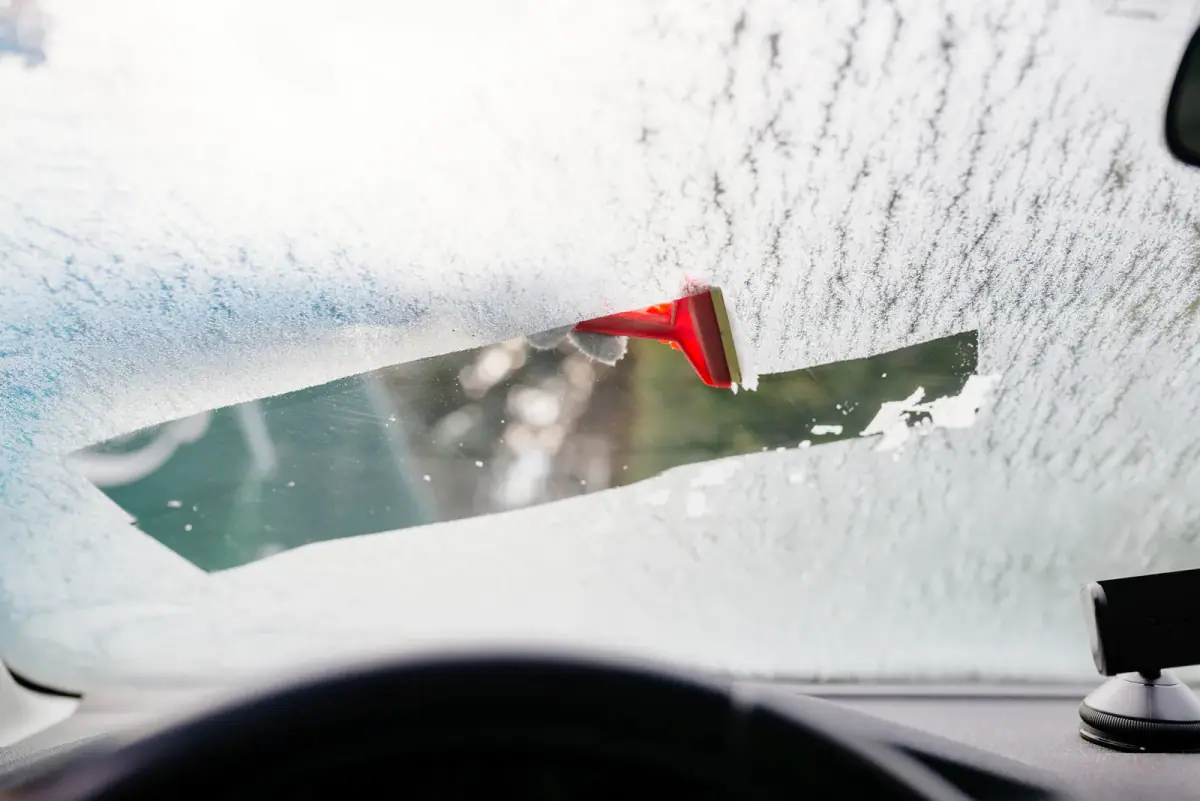
Waive the cancellation fee when snow or a storm makes travel unsafe, as shown by an official warning, a road closure or your own cancellation, and keep the fee for ordinary weather. Indoor sessions are not affected by the sky; the drive is, so the policy has to be about travel.
Why the rule matters locally
Central Indiana winters are real: January highs sit around the low 30s and the area gets about 22 inches of snow a year. Summers bring humid heat and the occasional storm. Because training happens indoors, in a space booked through an hourly app, the room itself is usually available when the roads are not, which makes the question unusually specific: the facility is open, the trainer is ready, and a client is deciding whether to drive.
Three triggers, written down
- An official travel warning for the client’s county or yours.
- A road closure or a major accident on the client’s usual route.
- Your own cancellation, for any weather-related reason.
If one applies, the session is rescheduled free of charge. If none does, the regular late cancel terms stand. Choosing triggers outside anyone’s opinion keeps you from judging each person’s driving.
What the client still owes
| Situation | Outcome |
|---|---|
| You cancel | Rebook free, and see what you owe a client when you cancel |
| Official warning in effect | Rebook free |
| Light snow, roads clear | Normal late cancel terms |
| Client chooses not to drive, no trigger | Normal late cancel terms, or your grace pass |
The last row is where goodwill lives. Offer the grace pass without being asked, since it costs you little and clients remember it.
Practical steps on a snow day
- Check forecasts the evening before and message early morning clients.
- Send one line to your roster by 6 AM if you plan to cancel.
- Offer a make-up time in the same message.
- If the space is open and you can get there, tell clients the door is open and that the decision is theirs.
If you book each hour through an app, review how and when a booked hour can be released, and aim to release early so the rent does not stay on your books.
Consider a virtual fallback
For longer-term clients, a short video session or a posted workout can replace a cancelled hour, and it keeps momentum. It should be optional and unbilled unless you have sold it as a service. The wider timing question, how much notice is fair in normal weather, is in 24 versus 12 hour windows.
What happens with air quality and heat
Weather is not only snow. On days when the state advises limiting outdoor exertion because of air quality, an indoor session is still a reasonable choice, so your policy should not treat those days as cancellation triggers unless your own judgment says otherwise. For outdoor clients you might offer an indoor alternative. The same logic applies to heat: an indoor room with controlled lighting and a screen is exactly the fallback an outdoor plan needs, and mentioning it in advance often converts a cancelled session into a moved one.
A sentence for the agreement
“Sessions cancelled because of an official travel warning, a road closure on the client’s route, or the trainer’s own decision are rescheduled at no charge.” Add that illness follows its own rule. Then say it aloud once at onboarding, before the first January.
Related questions
Should I cancel sessions when the roads are bad but the space is open?
Leave the choice to each person's judgment about their own drive, and never pressure anyone to travel. Your policy decides who pays, not who is brave.
What counts as bad enough weather to waive the fee?
An official travel warning, a road closure on the client's route, or your own decision to cancel. A light dusting does not qualify. Name the triggers in the policy so no one argues.
Does summer weather matter?
Occasionally, for a severe storm warning that makes travel unsafe. The same triggers apply, just less often.