
Sublease Space From Another Trainer: Terms to Agree On
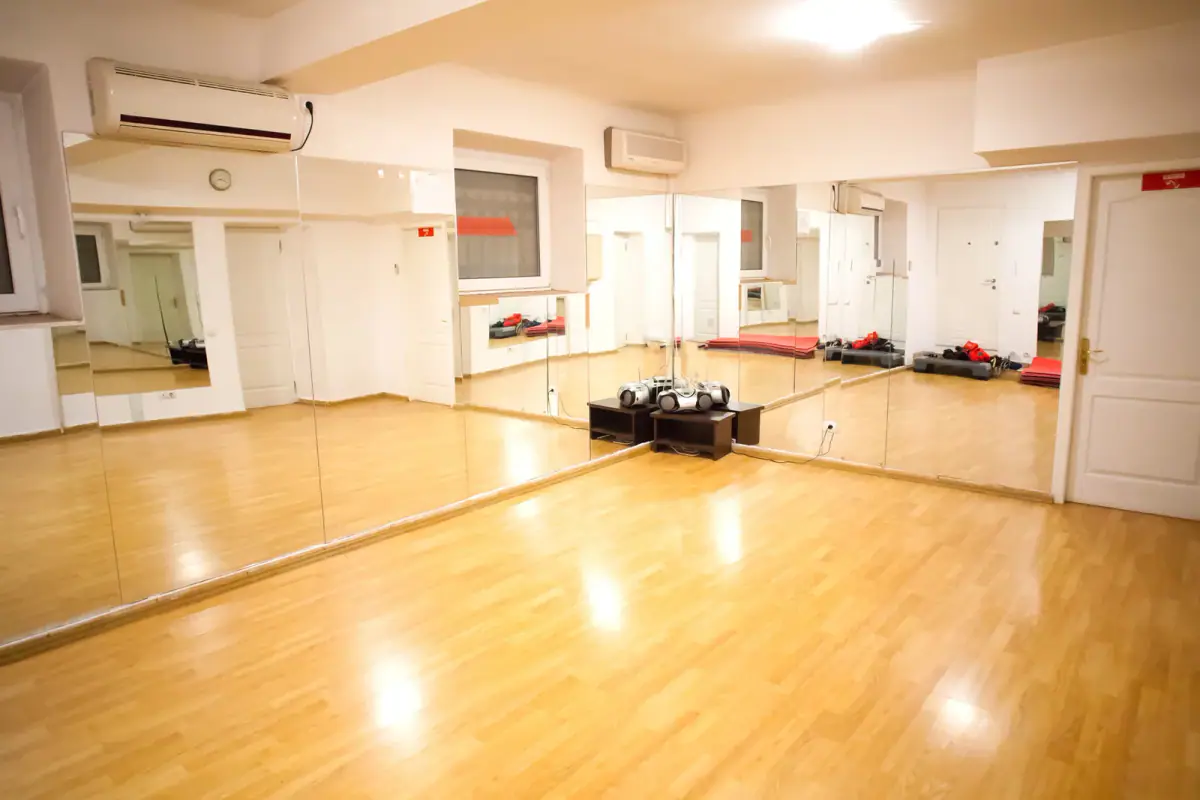
To sublease space from another trainer safely, get the landlord’s written consent first, then agree in writing on rent, your hours, insurance, damage, and what happens if either of you leaves. A sublease sits underneath the other trainer’s lease, so you inherit that lease’s limits without being a party to it. If you want the private room without that dependency, an hourly space with no lease removes the structure entirely.
What the rule says
A sublease is a contract layered on top of a lease, and the master lease usually states whether and how a tenant may sublet. Our check of the Indiana General Assembly’s code (iga.in.gov) in October 2026 did not give us a statutory rule we can state with confidence for commercial subleases, so this page describes the process in general terms: the master lease’s own clause controls, and the landlord’s consent is typically a term of that lease. This is general information, not legal or tax advice, and rules change, so have an attorney read the master lease and your sublease before you sign.
Ask for the master lease clause first
Before you talk rent with the other trainer, ask to read the section of their lease on subletting and assignment. You are looking for four answers.
- Is subletting allowed at all?
- Does the landlord have to approve, and in writing?
- Is there a fee, or a change in rent, if approval is given?
- What happens to your sublease if the master lease ends early?
If the other trainer cannot or will not show the clause, treat that as an answer. Without it, you cannot know who can end your access.
The terms to put in writing
A good sublease is short and specific. Cover these items:
- Space and hours. Which room or floor area, which days and times, and who holds keys or access.
- Rent and what it includes. The amount, due date, deposit, and whether utilities, internet, and cleaning are inside the number.
- Insurance. Each trainer carries their own professional liability coverage, and the landlord may require proof or additional-insured wording.
- Damage and equipment. Who owns what, who repairs what, and how you will document the condition at move-in.
- Client conduct and noise. Hours of operation, parking, and any limits from the landlord.
- Exit. Notice period, deposit return, and what happens if either side stops training.
Where the risk sits
The sublessor normally stays responsible to the landlord. That is the part new subtenants miss. If the other trainer falls behind, the landlord’s remedies can reach the space you are using, even when you paid on time. The reverse is true as well: if you cause damage, the lease owner answers first and then looks to you.
Compare the risk profile directly:
| Sublease from a trainer | Hourly booked space | |
|---|---|---|
| Who the landlord deals with | The sublessor, not you | The facility |
| Cost model | Agreed fixed amount, due even in a slow month | Pay only for booked hours |
| Exposure to another person’s missed rent | Yes | No |
| Exit | Per sublease and master lease terms | Stop booking |
| Paperwork | Sublease plus landlord consent | App booking |
Hourly space at FlexWerk Carmel runs $18 to $22 per booked hour, with cardio spaces from $12, and trainers keep 100 percent of what they charge. First hour free for fitness professionals.
Red flags to walk away from
Stop the deal if you see any of these:
- The landlord has not approved, and the trainer says it is fine anyway.
- No written agreement, only a verbal arrangement.
- A large deposit with no stated return terms.
- A request to sign onto the master lease as a guarantor. That turns a sublease into a personal guaranty, with exposure explained there.
- No proof of the other trainer’s insurance.
When a sublease still makes sense
A written, landlord-approved sublease can work when you need a fixed home for a dense client schedule and the other trainer is reliable. It rarely suits a lighter schedule, because the monthly amount is owed even when you train less. The broader trade-offs for Carmel are in fitness studio sublets in Carmel, and a related option, splitting a lease as co-tenants, carries a different risk. If you are still choosing between ways to get a room, the list of places to train clients without owning a gym shows the options side by side.
Related questions
Do I need the landlord's permission to sublease from another trainer?
Usually the trainer's own lease controls this, and many commercial leases require written consent before any part of the space is sublet. Ask to see the clause, then ask the landlord for a signed approval that names you and your use.
Who is responsible if the sublessor stops paying rent?
Often the sublessor stays responsible to the landlord, and a default can put your space at risk even if you paid your share. Ask whether the landlord will give you a written notice and a chance to cure.
Is a handshake sublease enough?
It is the riskiest version. A short written agreement that covers rent, hours, insurance, damage, and exit terms costs little and prevents most disputes. Have an attorney review it.