
Space to Train Clients Near Me: Audit the Gear First
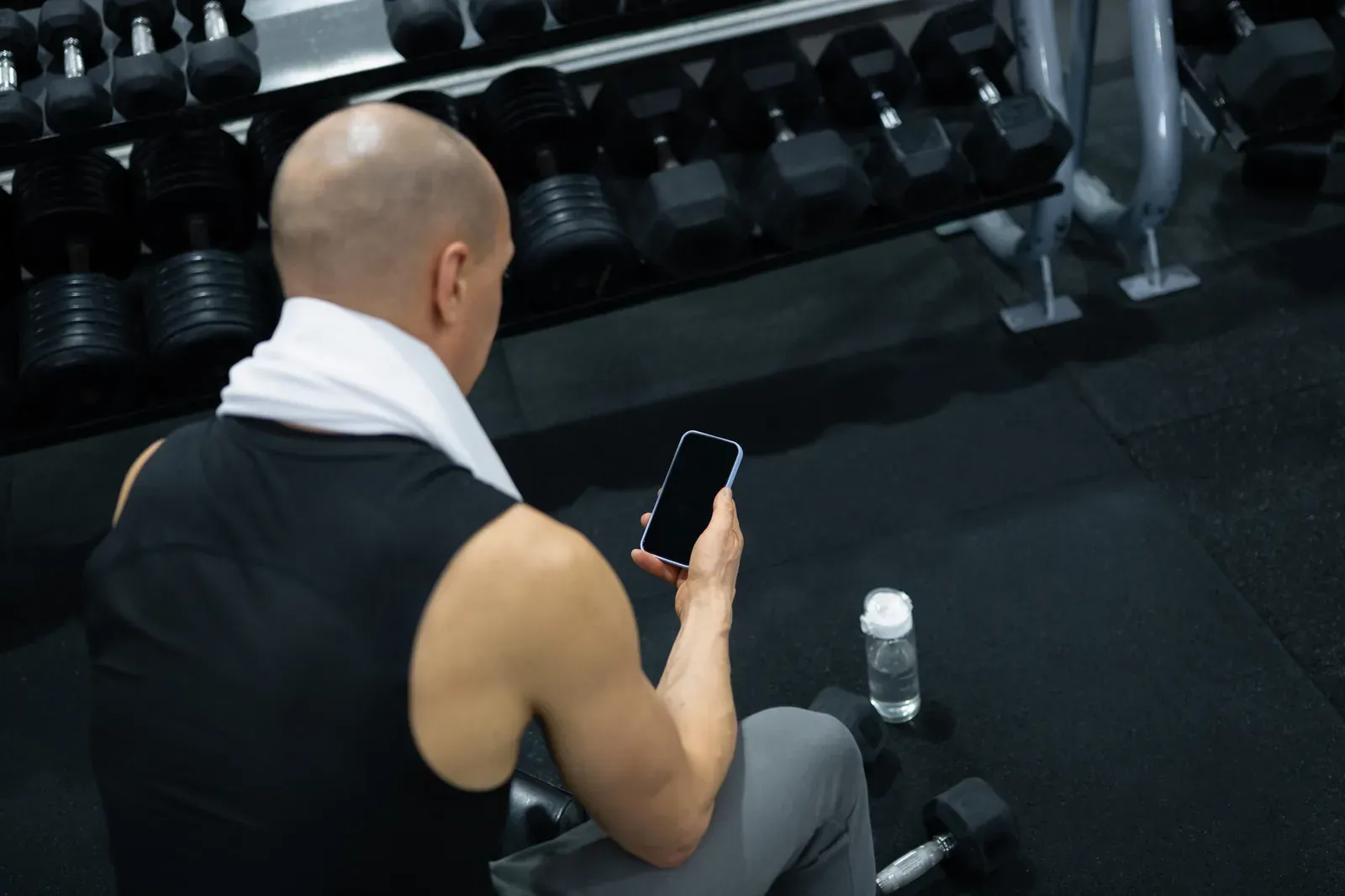
Space to train clients is a programming question before it is a real estate question: the right room near you is the one whose equipment actually delivers your sessions, verified item by item rather than assumed from a listing. Write the audit first, then hold every candidate against it; in the north Indianapolis metro, the cheapest way to run the audit is a free first professional hour in the Carmel rooms.
Build the audit from your programming, not a template
Pull your five most-delivered session plans and write down every implement they touch: barbell work needs a rack and bar, most accessory menus need a cable option at several heights, and your dumbbell demand runs to whatever your strongest client presses, not the room’s average. Add the non-lifting items your sessions lean on, a screen for form video, reliable WiFi for your coaching app, floor space for movement prep. That list is the audit. A room either covers it or it quietly rewrites your programming, and clients can feel a program that was edited to fit a room.
Verify like a skeptic
Treat every listing as advertising until you have stood in the exact room you would rent. Ask for the current inventory of that specific room, since buildings shuffle and gear migrates, and then buy one hour and deliver a genuine session in it, because only coaching in the space reveals whether the cable heights, the dumbbell gaps, and the working floor area survive contact with a real client. Standardization is the shortcut worth hunting for: when every room in a facility carries the identical loadout, one audit covers all of them. That is how the Carmel rooms are built, and what is included in a FlexSpace is the published version of the answer: rack, cable system, and dumbbells in every strength room, supporting 850+ exercises in the Standard size and 1,100+ in the Plus, at $18 to $22 an hour with cardio rooms from $12.
Plan the gap items deliberately
No rented room holds everything a creative coach uses, so split your list into fixed and portable. Bands, straps, pads, and assessment tools ride in your bag as bring-your-own equipment, and you should assume zero on-site storage unless a space commits to it in writing. The fixed items are the real decision, because they are the ones you cannot carry: if the rack, cables, or usable floor are wrong, no bag fixes it.
Run the audit against one Carmel room on the free professional hour, deliver a session in it, and you will know before the hour is up whether the space deserves your roster.
Related questions
What equipment does a client-training space need?
Whatever your actual programming requires, which is why the audit starts with your session plans rather than a generic list. For most strength-based coaching that means a rack, a cable option, and a serious dumbbell range.
Can I trust listing photos when choosing a space?
No. Photos show the room on its best historical day, not its current inventory or condition. Ask for the specific room's current equipment list, then confirm it standing in the room.
What if my programming needs gear the room does not have?
Small specialty tools travel with you as bring-your-own items. If a fixed piece your programming depends on is missing, the room fails the audit, and shrinking your programming to fit it is the wrong fix.