
Rent a Martial Arts Studio Floor for Training: Off-Peak Hours
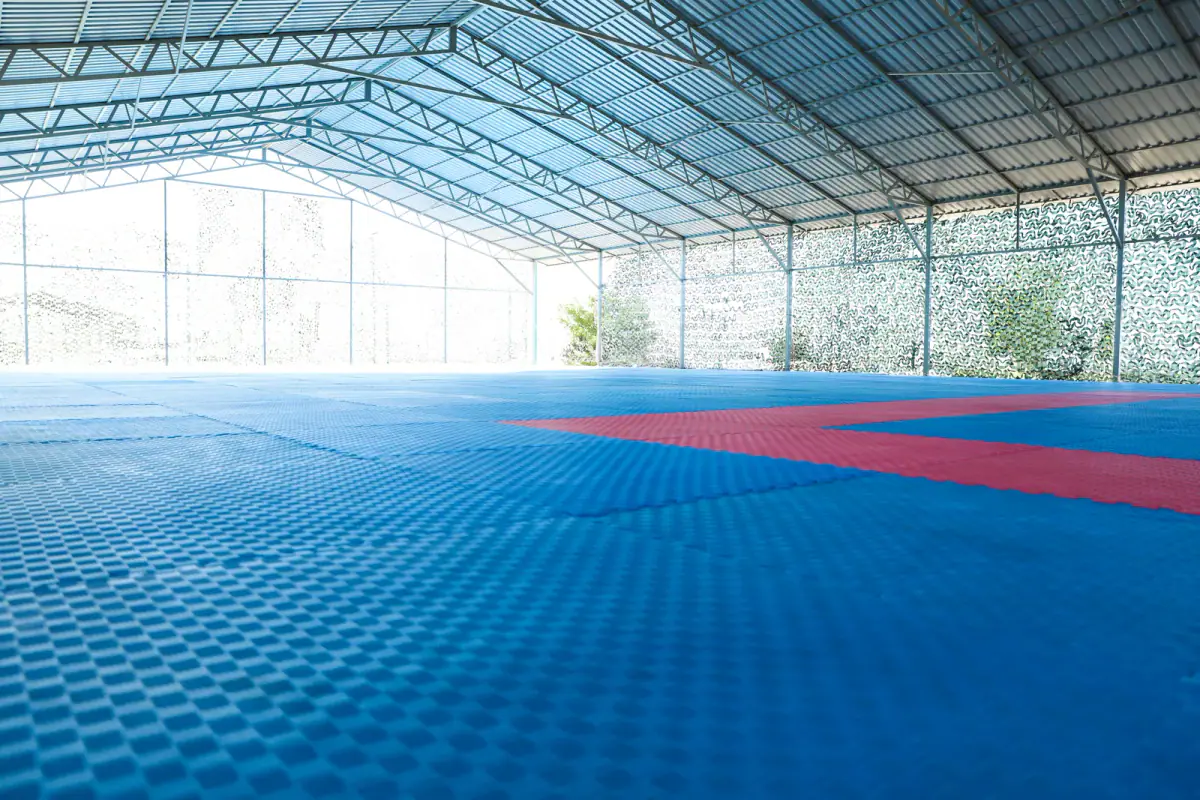
You can sometimes rent a martial arts studio floor for training during the studio’s quiet daytime hours, and it suits mobility, bodyweight, conditioning, and movement work far better than heavy loaded lifting. The pitch is simple: you fill hours the owner is not using. The limits are the surface, storage, and the fact that the studio’s own classes always come first. If you need a rack and cables behind a closed door, book a private room instead.
Why the daytime hours are open
Martial arts schools tend to concentrate classes around after-school and evening times, when students and working adults can attend. That leaves other hours quiet, and the owner still pays for them. This is the same logic behind renting floor space from a small gym owner, with a different kind of floor.
Visit at different times on different days, and note when it is empty. Then ask about those times in particular. A request that matches the owner’s slack time is easier to approve than a request that competes with classes.
What a padded floor does well
A padded surface is made for movement. It is forgiving to rolls, falls, and bare feet, so it suits several kinds of sessions.
| Session type | Fit on a padded floor |
|---|---|
| Mobility and flexibility | Good |
| Bodyweight strength and conditioning | Good |
| Boxing, kickboxing, and striking drills | Good, if the studio has the equipment |
| Group movement classes | Good for small groups |
| Heavy barbell lifting | Poor; padding can be unstable under load |
| Plyometric landing work | Depends on the surface; ask |
If your sessions are movement-based, the floor can be a good low-cost home. If you coach lifting, you need a different space.
What to check before you ask
Walk the room with a short list.
- Surface. Is it a thick pad, a firm mat area, or a wood floor? What is it rated for?
- Storage. Is there a place for your gear, or must you bring everything each time?
- Equipment. What does the studio own that you may use, such as bags or pads?
- Noise. Can music and movement run during other classes next door?
- Culture. Does your style of coaching fit the studio’s atmosphere?
- Hygiene. Who cleans the floor between users, and what are the shoes-off rules?
Ask about all six in your first visit.
The pitch and the paper
Offer fixed blocks, such as two or three mornings, a flat fee or a per-hour rate, and proof of your own liability insurance. Say plainly that your clients are paying adults and that your sessions will not disturb classes. Then put the terms on one page: hours, price, insurance, equipment use, storage, and an exit notice. The partnership angle runs the other direction in pitching a martial arts school a conditioning add-on, where you serve its students instead of renting from it.
Where it falls short
A shared studio floor has trade-offs. The owner’s classes override your booking, so your schedule may move. Clients may share the space with students arriving early, and privacy is limited. There is no climate control you choose, and your brand sits under someone else’s sign. The comparison with a similar shared-floor arrangement is in FlexWerk versus renting floor time at a box.
When to move to a private room
If your sessions involve a rack, cables, dumbbells, or a quiet door, a private space fits better. FlexWerk Carmel books rooms by the hour at $18 to $22, with cardio rooms from $12, and the first hour is free for fitness professionals. There is no lease and no membership, and weekday hours run 5 AM to 9 PM. Trainers set their own client terms and keep the full session fee.
A common split works well: use a studio floor for mobility or striking-style classes, and a private room for loaded strength sessions. Test the numbers with the calculator, and keep the choice that gives you the steadiest calendar rather than the lowest advertised rent.
Related questions
When are martial arts studios usually quiet?
Many fill after school and in the evening, which can leave mornings and early afternoons open. Visit at different hours and ask the owner which times are empty before you pitch.
Can I do strength work on a padded martial arts floor?
It depends on the surface and the movements. Padding that suits falls and grappling may not be a stable base for heavy lifts, so match the plan to the floor and ask what is allowed.
Where would I store my equipment?
Often nowhere. Many studios have little spare storage, so plan on gear you can carry in and out each session, and ask the owner about any space before you assume it.