
Outdoor vs Indoor Personal Training Space: Honest Trade-Offs
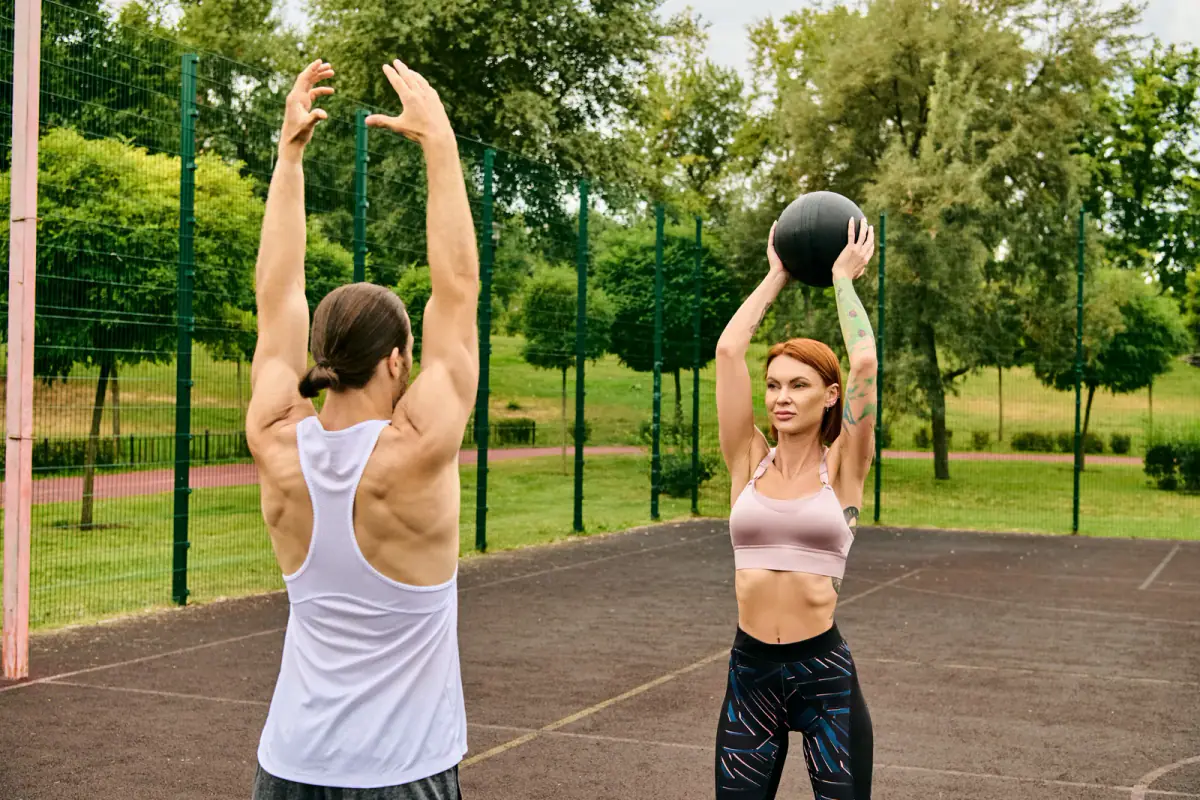
Neither setting wins all year, so the honest comparison goes season by season. Outdoor training costs nothing and feels good in spring and fall, while an indoor private space protects privacy, equipment and your calendar through Indiana’s cold winters and humid summers. Most trainers end up using both, which is why the useful question is when each one earns its place. A room booked by the hour, with a free first hour for fitness professionals, covers the weeks the weather wins.
Spring and fall: outdoors is at its best
Mild weather, long light and a trail like the Monon Greenway, which runs 5 miles through Carmel, make outdoor sessions easy to sell. Clients enjoy the change of scene and you spend nothing on space. The trade-offs are quieter: you carry your own equipment, you share the path with strangers, and a sudden downpour cancels the hour. For a trainer with a small kit and bodyweight programs, this is the best season for outdoor work.
Summer: heat, humidity and air alerts
Highs in the upper 80s and 90s with humidity make long outdoor sessions uncomfortable. Early morning slots help, though they limit your hours, and shade is not always where you need it. Air Quality Action Days, declared for ozone or fine particulates, come with state advice to limit outdoor exertion, which is a reason to have an indoor plan ready rather than cancelling. An indoor room turns a lost session into a normal one.
Winter: where outdoors usually loses
January highs around 33 degrees and about 22 inches of snow a year make outdoor work a stretch for most clients, however hardy you are. Daylight is also much shorter than in June. A winter outdoor plan shows how to keep some outdoor sessions going, and renting a room by the hour is the fallback when it is simply not safe or pleasant.
Comparing what matters
| Factor | Outdoor | Indoor private room |
|---|---|---|
| Cost | Free, plus gear you carry | Hourly rate, equipment included |
| Equipment | What you pack | Stocked room |
| Privacy | Shared with the public | Closed door |
| Weather | Cancels sessions | Not an issue |
| Insurance | Ask whether parks are covered | Ask about your own policy |
| Filming | Variable light and background | Controlled light and sound |
Privacy and the client who is self-conscious
A client who dislikes being watched may avoid an outdoor session entirely, however nice the scenery. Others love the open air. Ask in the first session, and listen for hints such as “I wish nobody could see me”.
Insurance and permits
Confirm in writing whether your policy covers sessions in public parks, and ask the park authority whether commercial training needs a permit. The rules vary by location, and the answer from one park does not apply to the next. Indoor sessions do not remove your insurance needs but do remove the weather and the public.
A hybrid plan that costs little
Plan your calendar by quarter. Spring and fall go outdoors, with a room booked only for the days weather says no. Summer moves to early morning outdoors and midday indoors. Winter moves mostly inside. Booking by the hour means a rain day costs one room hour, not a month’s lease, and your first hour as a fitness professional is free through FlexWerk’s get started page. For the rainy day version, read the indoor backup plan, and for the choice between a public building and a private room, a church gym or rec center versus a private suite helps.
Related questions
Does outdoor training keep clients as well as indoor training?
It can, in good weather. Retention tends to slip when sessions are cancelled by heat, cold or rain, so measure your own cancellation rate by season rather than assuming.
Do I need different insurance outdoors?
Possibly. Ask your insurer whether public park sessions are covered and whether a permit is needed for the park you use. Do not assume a policy written for a gym extends to a trail.
Is a hybrid schedule realistic?
Yes. Many trainers run outdoor sessions in mild months and move indoors when heat, cold or air quality alerts arrive, booking a room only for those hours.