
Lymphedema Therapist Private Practice Space
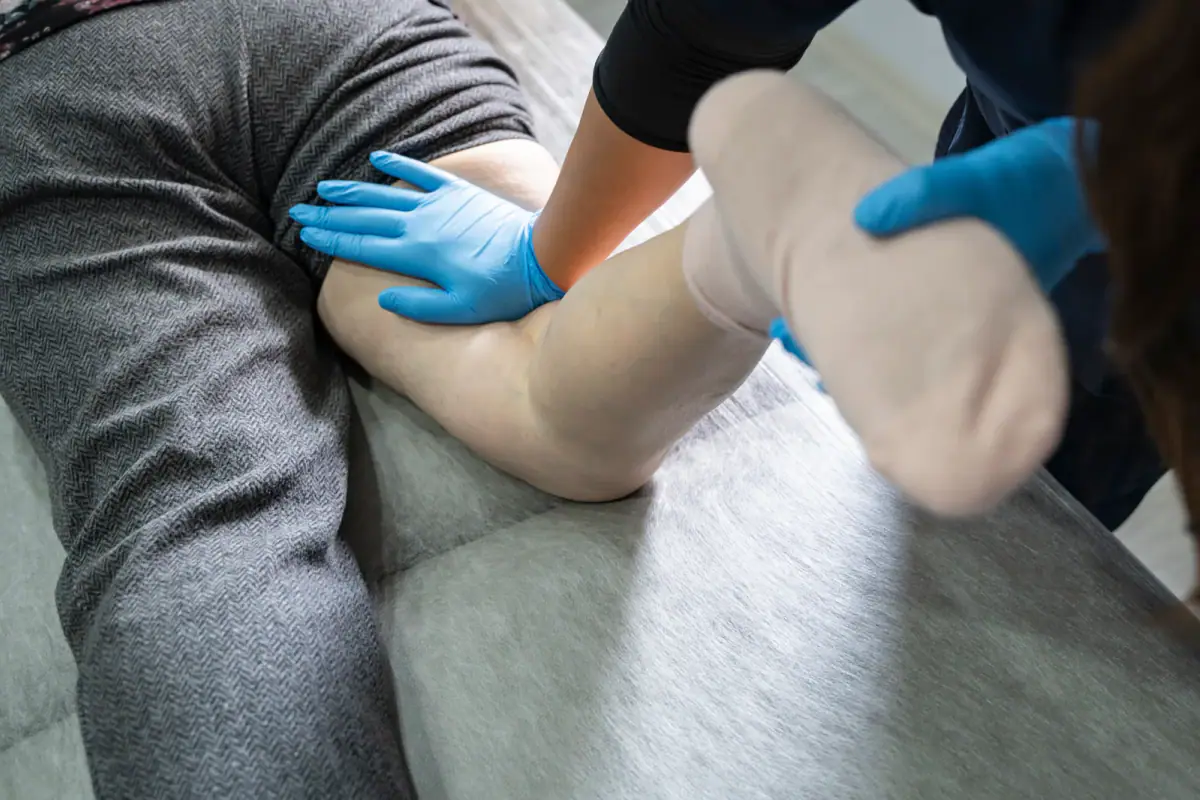
A certified lymphedema therapist can run a private practice from a rented hourly room, working alongside each client’s physician and within their own license, if the room offers privacy, a treatment surface at the right height and a workable way to carry and store compression supplies. FlexWerk is not a medical facility, so clinical oversight, medical equipment and decisions stay with you and the client’s care team. A space for your practice supplies the private room and the hour.
Clinician context first
Lymphedema is a medical condition, and people living with it are usually under a physician’s care. A therapist in this field typically holds a health care license and specialized certification, and works in line with the referring clinician’s plan. The therapist does not diagnose through the room, and the room does not change scope. Anything that looks like a new swelling, infection signs or sudden change belongs with the client’s physician right away.
If you are weighing leaving an employer for your own practice, the same licensure questions apply as in the physical therapy treatment room answer.
What the room needs
| Need | Why it matters |
|---|---|
| A private, closed room | Clients undress or expose limbs, and conversations are personal |
| Treatment surface at a workable height | Comfortable positioning for you and the client over a long session |
| Clear floor | Space to move around the client and any bandaging supplies |
| Controllable light and temperature | Comfort during long sessions |
| Reliable WiFi and a screen | Notes, home program videos and measurement records |
Each FlexWerk space is private, with WiFi, a TV or monitor, music streaming and controllable lighting. A Standard room is 150 square feet and a Plus room 200, and the Plus room holds up to four guests, which suits a client with a caregiver. Therapists generally bring a portable treatment table, since specialty equipment travels in with the visiting professional. Treatment table height and any needs for a lift should be checked on a trial visit.
Compression supplies: carry, do not assume storage
Compression bandaging, padding, garments and measuring tools take space. Plan a routine: a rolling case that holds one day of supplies, labeled bags per client and a restock habit between bookings. Do not count on on-site storage, and ask the pro support team at prosupport@flexwerkfitness.com what is possible. If you store anything, follow privacy rules for client information.
Privacy and dignity
Privacy is the business case. A closed door, a quiet room and booked time with nobody else in the space let clients speak openly and expose limbs without worry. Plan check-in so clients are not waiting in view of other rooms, and ask clients about comfort with a caregiver in the room. The fitting side of care is covered in the compression garment fitting room page.
Questions to settle before launch
- Does my license, certification and employer agreement permit private practice?
- Which physicians will refer, and what do they want in reports?
- What insurance covers my services, and do I need a certificate for the facility?
- How long are my sessions, and do I need a buffer for bandage changes?
- What is my plan if a client feels unwell during a session?
Booking and cost
Rooms rent by the hour with no lease, hourly spaces start at $18, and a fitness professional’s first booked hour is free. Each professional sets their own fees, and you keep what you charge. The pelvic floor space comparison shows how another specialty judges rooms on privacy, which carries over to this field. Book one trial hour, set up your table and supplies, and see how the room feels with a real client.
Related questions
Do clients need a physician referral?
Lymphedema is a medical condition, so clients typically work with a physician, and many therapists coordinate with the referring clinician. Follow your license, certification and the referral rules that apply to you.
Can I store compression supplies in the room between visits?
Do not assume on-site storage. Plan to carry what you need and ask the facility team what is possible.
Who owns treatment decisions?
The licensed, certified therapist and the client's physician. The room provider supplies space, not clinical oversight or equipment.